Bloodhound vs Saluki
Side-by-side comparison across all 14 AKC trait ratings, with a clear verdict on which breed fits which kind of household.

Not sure which breed fits your life?
Answer five questions about your home, your schedule, and your tolerance for shedding. We’ll match you to your top three breeds from over 200.
Bloodhound vs Saluki
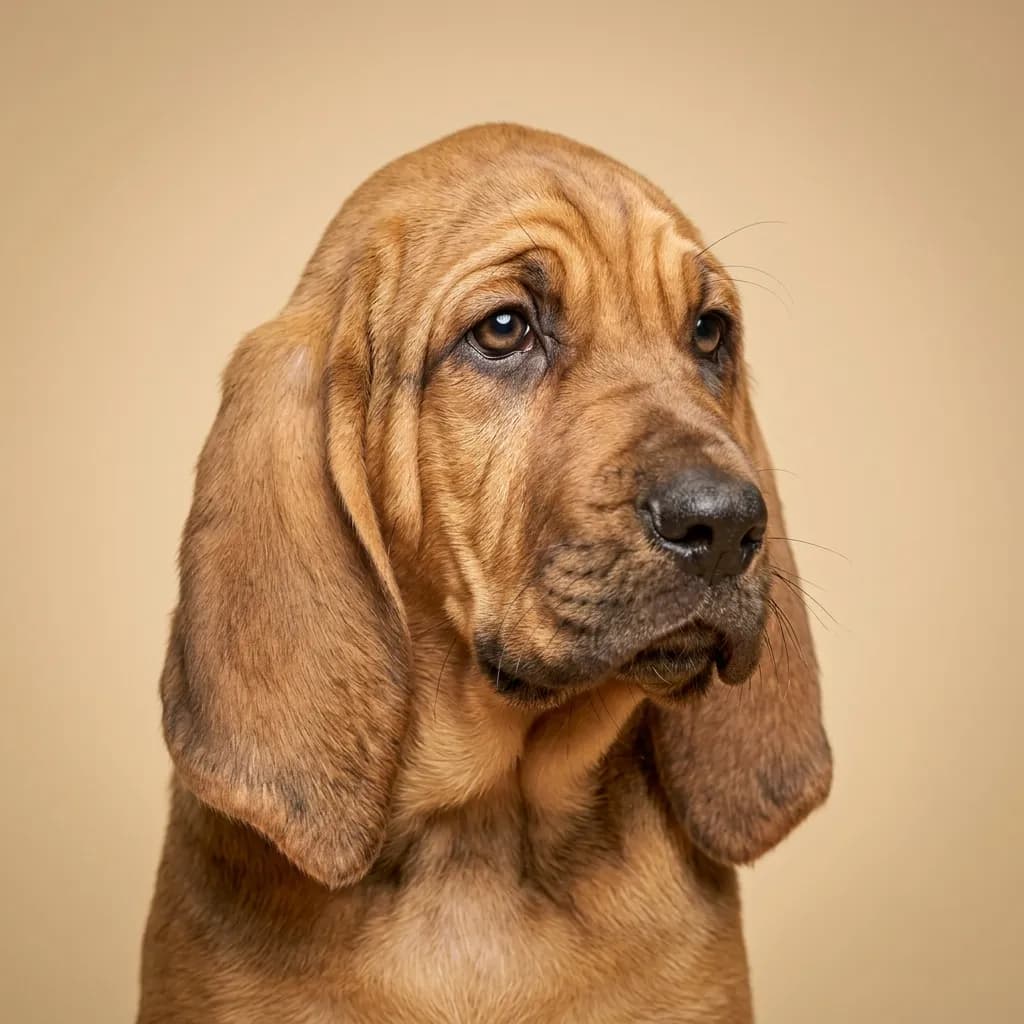
People compare Bloodhounds and Salukis because both are ancient hounds with regal bearing and serious jobs to do but that’s where the similarity ends. Think of the Bloodhound as your big, boisterous detective cousin who won’t stop talking, especially when they’ve picked up a scent. They’ll track a trail for miles, nose to the ground, baying loudly enough to wake the neighbors. They’re friendly, yes, but stubborn in that lovable, determined way. You’ll need space, patience, and a secure fence unless you want them following a squirrel trail into the next county. They’re heavier, louder, and need consistent handling. ideal for someone experienced who lives in the country and doesn’t mind the noise. The Saluki? They’re the quiet poet of the dog world. Lean, elegant, built like a greyhound with feathered ears, they’d rather sprint across open fields chasing a jackrabbit than sit in your living room. They bond deeply but on their terms. You won’t hear much from them. no barking fits. but they’ll need mental stimulation and room to run safely. Their independence can be mistaken for aloofness, but it’s just breed integrity. They’re not clingy, but they’re loyal in their own way. Here’s the real difference beyond the stats: the Bloodhound engages the world through scent and sound, while the Saluki lives for speed and sight. You don’t train a Saluki so much as earn their cooperation. If you want a vocal, people-oriented tracker who leans into every experience, go Bloodhound. If you want a silent, graceful runner who’ll gaze into the distance like they’re remembering ancient deserts, choose the Saluki. But neither will thrive without space and purpose. this isn’t about comfort. It’s about honoring what they were born to do.
Trait-by-trait
Higher bar = more of that trait. Shedding, barking, drooling, grooming flipped for readability.Where they diverge
Choose the Bloodhound if…
- Active people
- Rural homes
- Hunters
- You value drooling level — Bloodhound scores noticeably higher.
Choose the Saluki if…
- Active owners with running space
- Experienced sighthound owners
- Those wanting an elegant, quiet breed
- You value mental stimulation needs — Saluki scores higher here.