Bloodhound vs Sealyham Terrier
Side-by-side comparison across all 14 AKC trait ratings, with a clear verdict on which breed fits which kind of household.
Not sure which breed fits your life?
Answer five questions about your home, your schedule, and your tolerance for shedding. We’ll match you to your top three breeds from over 200.
Bloodhound vs Sealyham Terrier
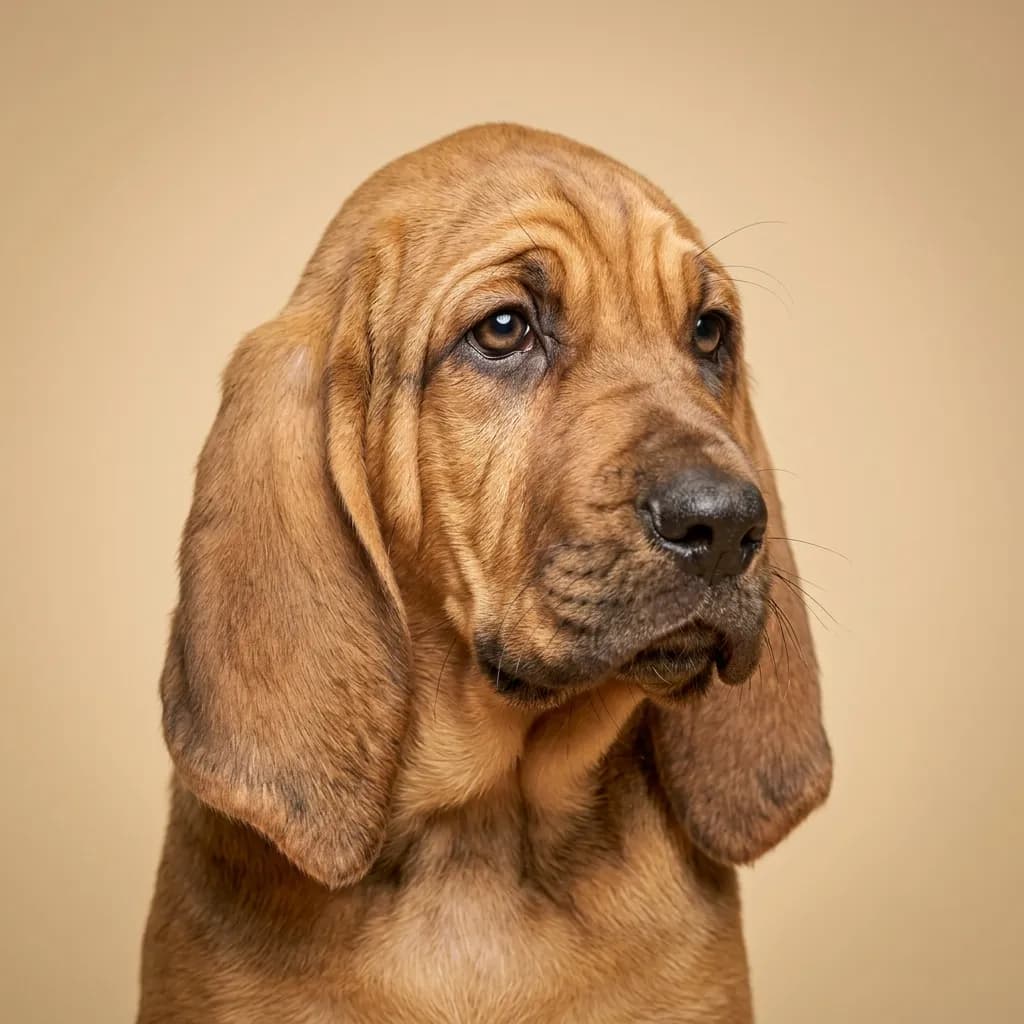
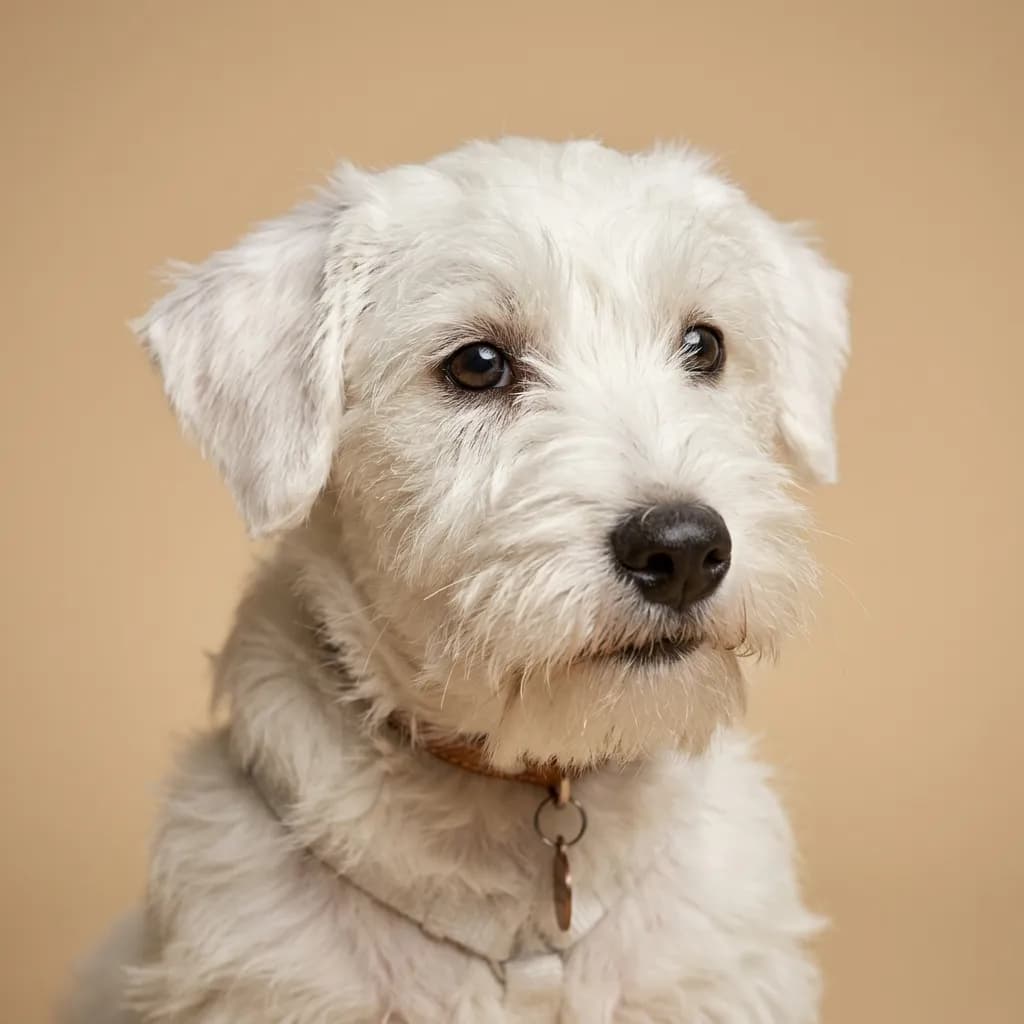
You’d be surprised how often people pit a Bloodhound against a Sealyham Terrier. On paper they’re nothing alike but dig deeper and you’ll find a shared thread: both are rare, stubborn working dogs with serious personality. People comparing them usually want a dog with character but aren’t sure whether they’re signing up for a full-time job or a quirky companion. Here’s the real difference: the Bloodhound is a force of nature. At 100 pounds of droopy-eared determination, this dog will follow a scent through a hurricane, dragging you behind like a leaf in a river. They’re friendly and affectionate but operate on their own internal GPS. You don’t own a Bloodhound. You negotiate with it. They need space, a bulletproof fence, and someone who understands that “come” is more of a suggestion. Great for rural homes or SAR volunteers, terrible for city life. The Sealyham is the terrier who never got the memo to be high-strung. Compact, white, and full of dry wit, they’re adaptable to apartments and adore their people. But don’t mistake calm for compliant. Bred to go underground after badgers, they’ve got grit and can be dog-aggressive. They’re easier to live with daily but still need mental engagement. otherwise they’ll redecorate your baseboards. One thing the charts won’t tell you: both breeds are disappearing. The Sealyham’s on the verge of extinction, the Bloodhound’s not far behind. Choosing either means joining a small club of passionate owners who love dogs that demand patience. If you want a dog that’s easy to find at the dog park, look elsewhere. If you want one that feels like a secret only you understand, either could steal your heart.
Trait-by-trait
Higher bar = more of that trait. Shedding, barking, drooling, grooming flipped for readability.Where they diverge
Choose the Bloodhound if…
- Active people
- Rural homes
- Hunters
- You value drooling level — Bloodhound scores noticeably higher.
Choose the Sealyham Terrier if…
- Apartment living
- Seniors
- Those wanting a less active terrier
- You value watchdog / protective — Sealyham Terrier scores higher here.