Bloodhound vs Segugio Italiano
Side-by-side comparison across all 14 AKC trait ratings, with a clear verdict on which breed fits which kind of household.

Not sure which breed fits your life?
Answer five questions about your home, your schedule, and your tolerance for shedding. We’ll match you to your top three breeds from over 200.
Bloodhound vs Segugio Italiano
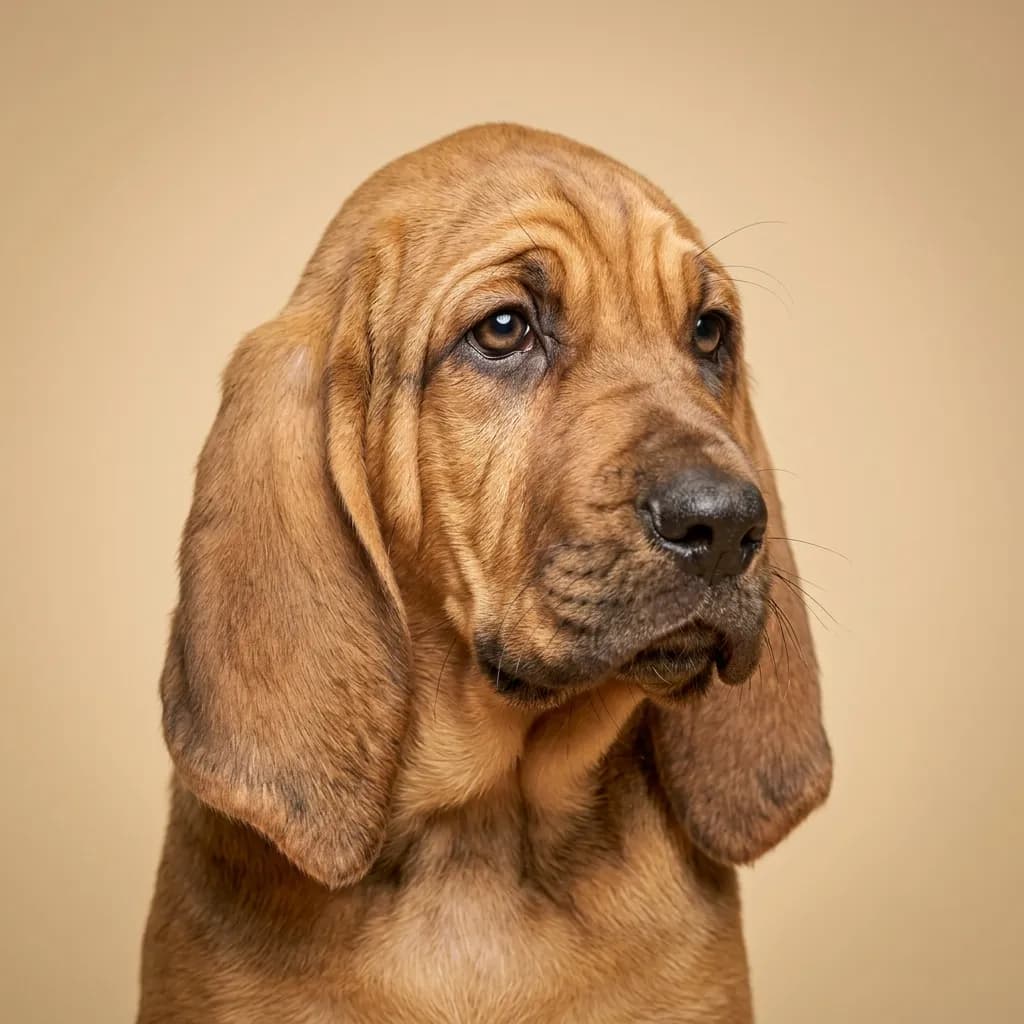
People compare Bloodhounds and Segugio Italianos because both are scent-obsessed hounds with droopy ears and serious noses. On paper, they seem like variations of the same dog. But living with one versus the other? That’s where reality bites back. The Bloodhound is the deep-dish pizza of tracking dogs: heavy, slow-cooked, and built for one job. At 100 pounds of loose skin and soulful eyes, it’s bred to follow a human scent for miles, ignoring everything else. That single-mindedness makes it brilliant in search and rescue, but tough at home. You’ll need a fortress of a yard because if a deer crosses your property line, your Bloodhound will vanish for hours. They’re louder, heavier, and need more health monitoring. bloat and ear infections are real concerns. They’re affectionate but stubborn, so training requires patience. This isn’t a dog for apartment life or anyone craving quiet. The Segugio Italiano is leaner, quicker, and built for pace. Half the weight of a Bloodhound, it’s made for chasing hare over rugged Italian hills. More energetic and mentally engaged, it thrives when it has a job. While still independent, it’s more responsive than the Bloodhound and slightly easier to live with. if you’re active. It still needs space and fencing, but it adapts a bit better to family rhythm. Here’s the truth beyond the stats: neither dog will come when called if scent is in the air. But the Bloodhound will track for 12 hours straight without blinking. The Segugio will burn out faster but ask for your approval afterward. Choose the Bloodhound if you want a living tool for tracking. Choose the Segugio if you want a hunting partner who still looks back at you.
Trait-by-trait
Higher bar = more of that trait. Shedding, barking, drooling, grooming flipped for readability.Where they diverge
Choose the Bloodhound if…
- Active people
- Rural homes
- Hunters
- You value drooling level — Bloodhound scores noticeably higher.
Choose the Segugio Italiano if…
- hunters
- active families
- experienced hound owners
- You value good with other dogs — Segugio Italiano scores higher here.