Bloodhound vs Slovensky Kopov
Side-by-side comparison across all 14 AKC trait ratings, with a clear verdict on which breed fits which kind of household.
Not sure which breed fits your life?
Answer five questions about your home, your schedule, and your tolerance for shedding. We’ll match you to your top three breeds from over 200.
Bloodhound vs Slovensky Kopov
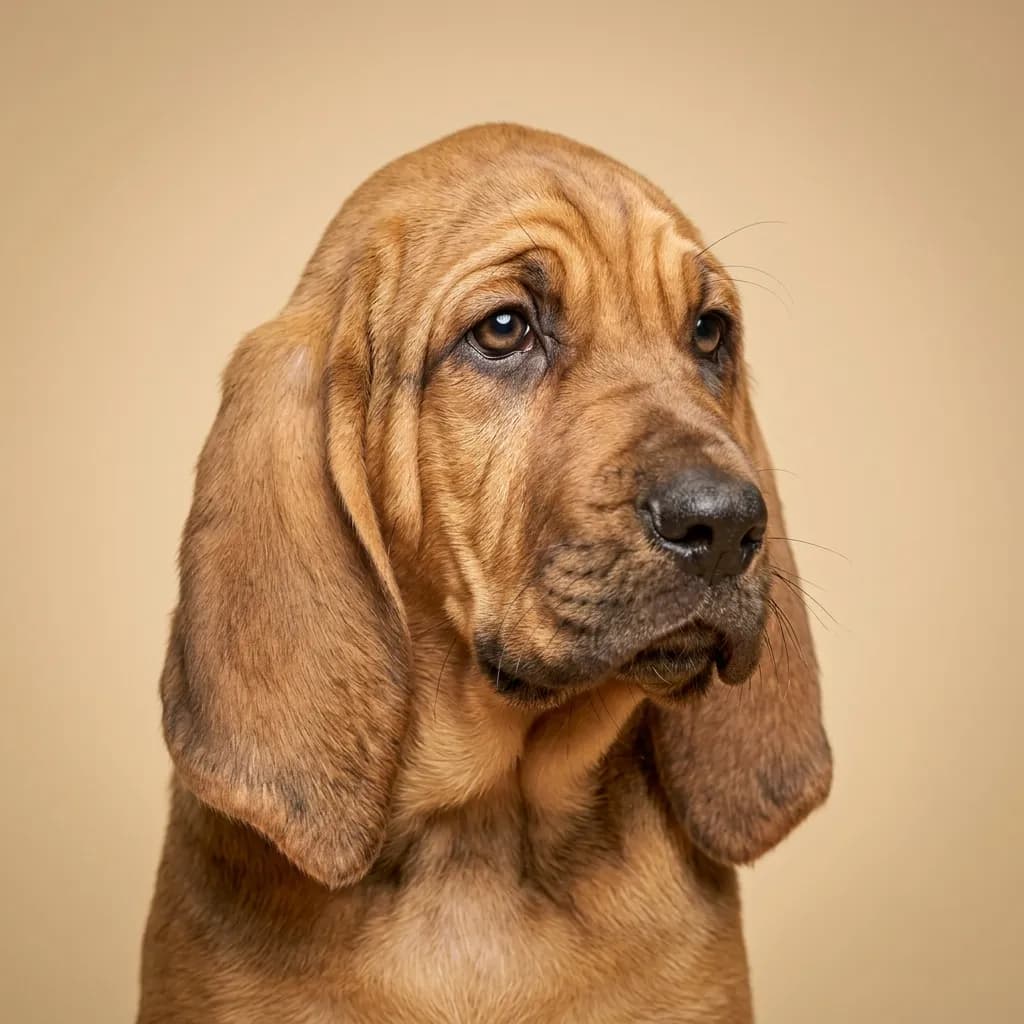
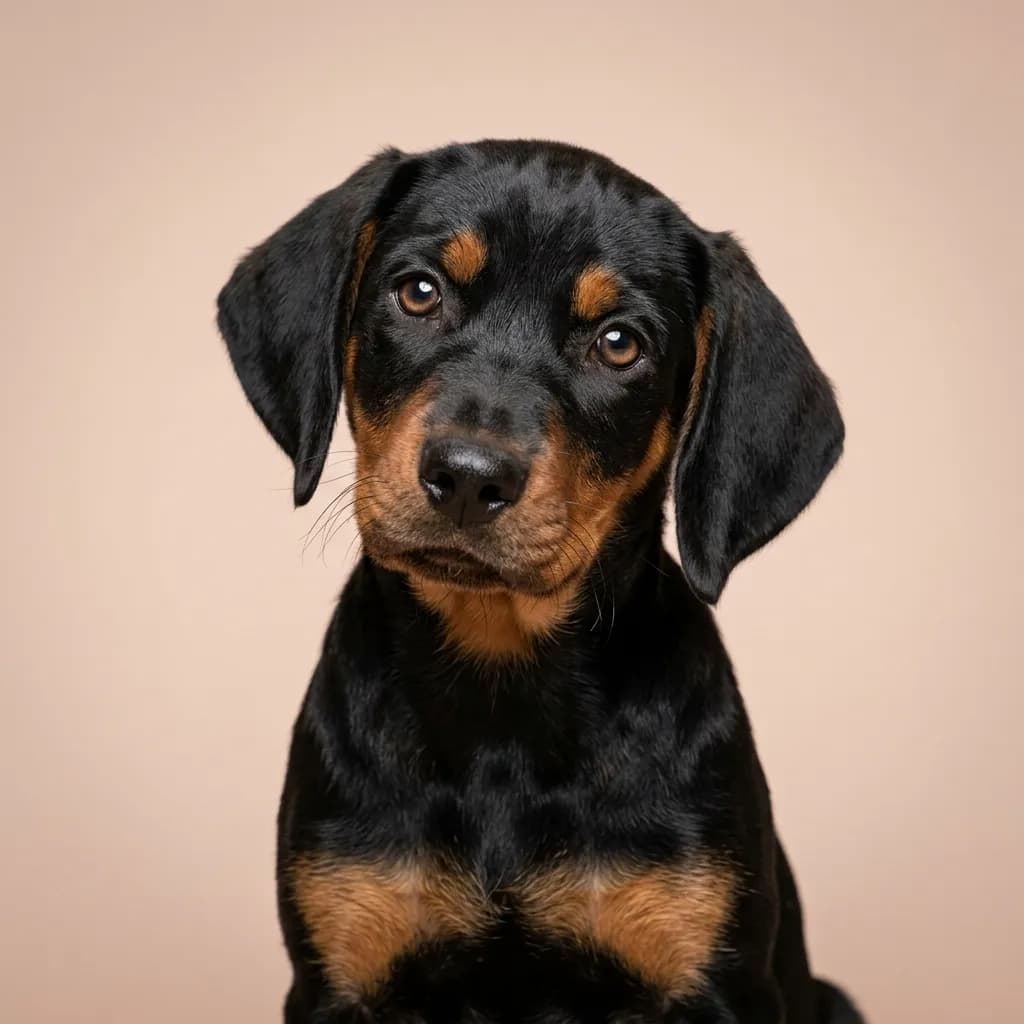
People compare Bloodhounds and Slovensky Kopovs because both are serious scent hounds with deep noses and serious jobs. But that’s where the similarity ends. If you’re torn between them, you’re really asking: do you want a gentle, droopy-faced detective built like a draft horse, or a lean, agile mountain tracker that works like a silent shadow? The Bloodhound is the louder, larger, more affectionate of the two. At 100 pounds, he’s a couch-sized dog with a voice that carries for miles. He’ll track a scent for hours, yes, but he’ll also bark nonstop, drool on your guests, and need a yard fence that’s buried underground. He’s friendly with kids but can knock them over by accident. His barking is constant, his energy moderate, but his needs are high. especially for mental engagement and secure space. The Slovensky Kopov, in contrast, is half the size and twice the stealth. Built for hunting wild boar in Slovakian forests, he’s tougher, more reserved, and far less vocal. He won’t bond like a Bloodhound. he’s not a cuddler. but he’s sharper, more focused, and better in cold climates. He’s still a hound, so he’ll follow a trail into the next county if given the chance. But he won’t announce it with a siren-like howl every 20 minutes. Here’s the real difference: Bloodhounds are emotional sponges. They want to be part of your life, all the time, even if they’re terrible at listening. Kopovs are working partners. They respect you, but they don’t need your approval. If you want a dog that leans on you, go Bloodhound. If you want a capable, quiet hunter who’ll work in silence through snow and bramble, the Kopov’s your hound. Just don’t expect him to greet you at the door like he hasn’t seen you in years.
Trait-by-trait
Higher bar = more of that trait. Shedding, barking, drooling, grooming flipped for readability.Where they diverge
Choose the Bloodhound if…
- Active people
- Rural homes
- Hunters
- You value drooling level — Bloodhound scores noticeably higher.
Choose the Slovensky Kopov if…
- hunters
- active rural owners
- experienced scent hound handlers
- You value good with other dogs — Slovensky Kopov scores higher here.