Bloodhound vs Stabyhoun
Side-by-side comparison across all 14 AKC trait ratings, with a clear verdict on which breed fits which kind of household.
Not sure which breed fits your life?
Answer five questions about your home, your schedule, and your tolerance for shedding. We’ll match you to your top three breeds from over 200.
Bloodhound vs Stabyhoun
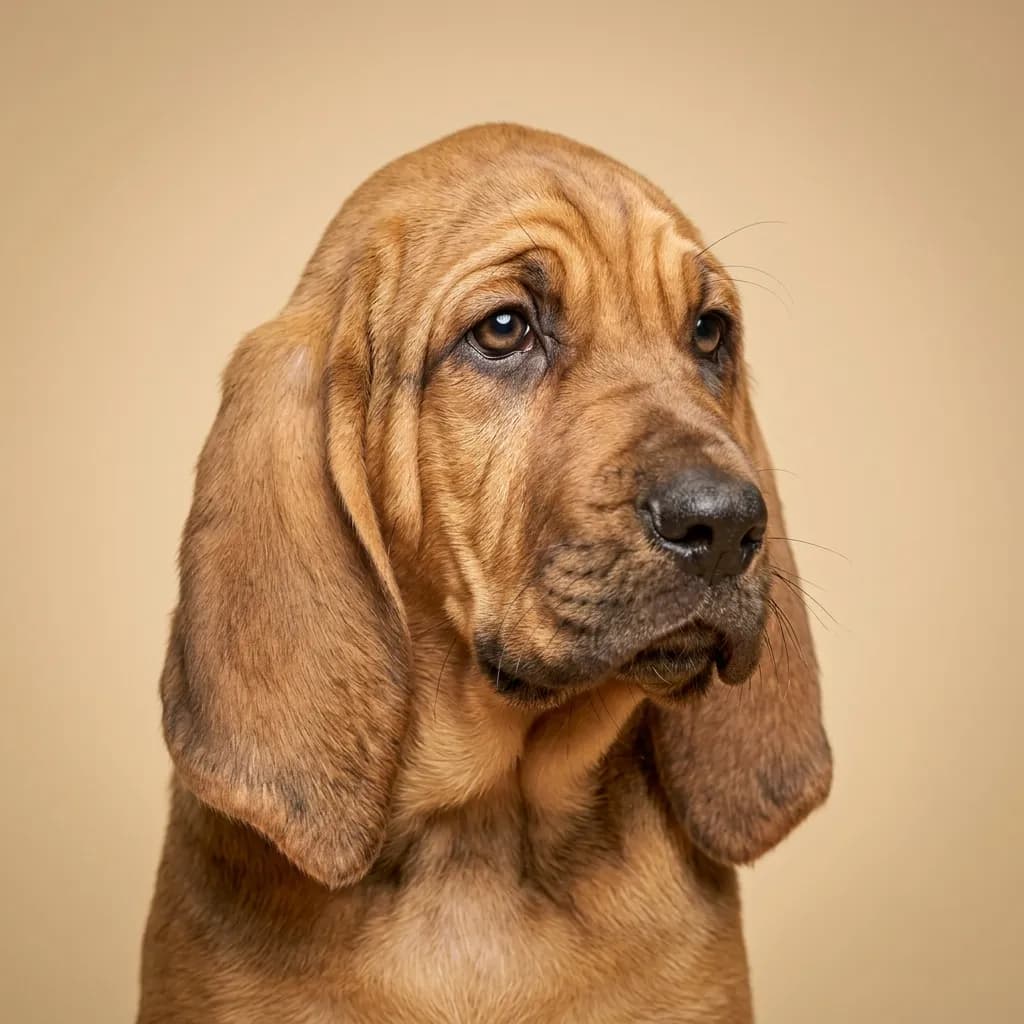
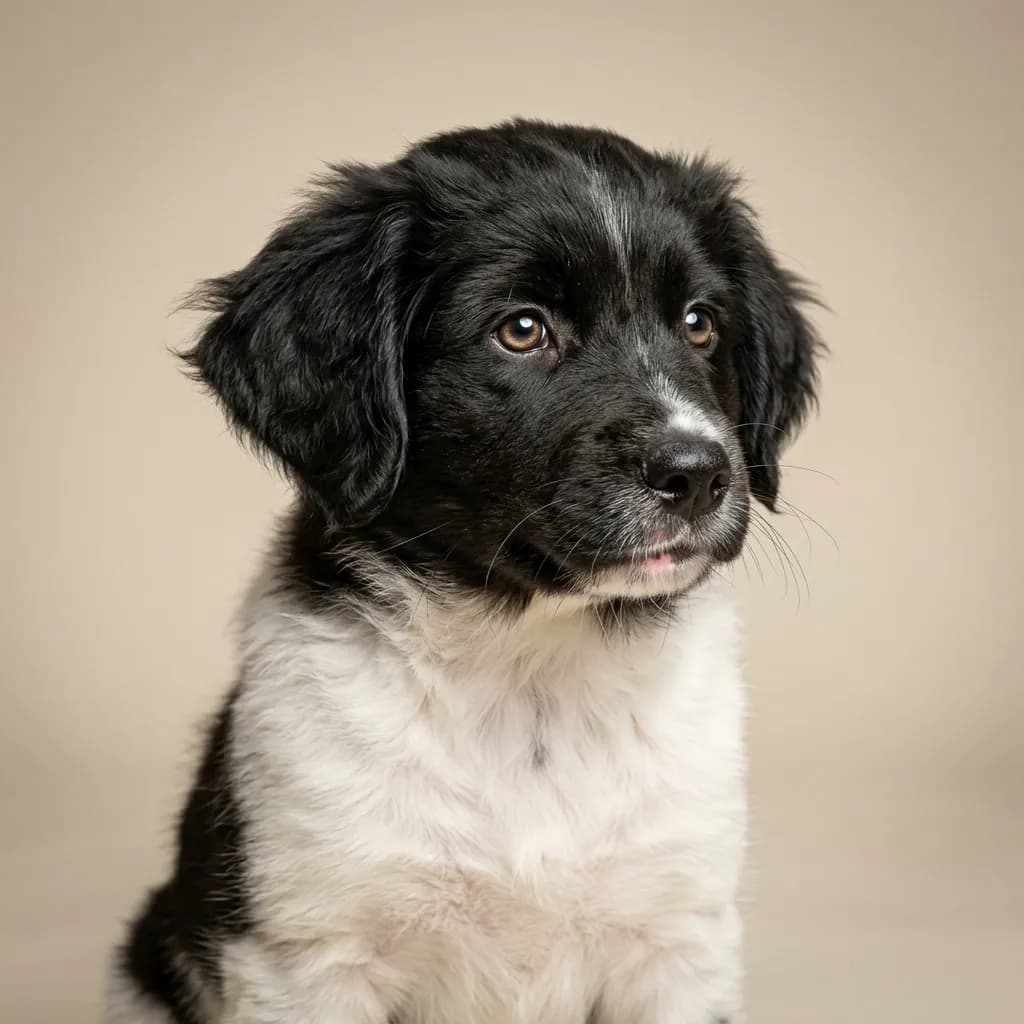
You’re not going to find many side-by-side comparisons between Bloodhounds and Stabyhouns. that’s the first clue they’re wildly different dogs beneath the surface. People lump them together because both are hunting breeds with floppy ears and serious noses, but that’s where the similarities end. One is a deep-voiced, single-minded tracker built like a tank; the other is a nimble, family-oriented gundog that thrives on partnership. The Bloodhound is a force of nature. If your idea of fun is trailing missing persons or playing amateur detective in the woods, you’ll love their laser focus and legendary scenting ability. But don’t kid yourself. you’re not just owning a dog, you’re managing a 100-pound olfactory machine that will follow a scent through traffic, your neighbor’s yard, and probably your kitchen cabinets. They’re friendly but stubborn, loud as a foghorn, and need serious containment. You need space, time, and a tolerance for drool. The Stabyhoun? Total team player. This Dutch gundog wants to work with you, not just ahead of you. They’re athletic, trainable, and remarkably quiet for a hunting breed. barking is rare, not routine. They fit better in active households with kids, love water, and adapt well to a structured routine. But they’re not low-maintenance. Without daily physical and mental challenges, they’ll start redecorating your couch with their teeth. Here’s the real talk: Bloodhounds demand respect for their instincts; Stabyhouns reward emotional connection. If you want a dog that’s part detective, part muppet, go Bloodhound. If you want a loyal, intelligent partner who happens to hunt, the Stabyhoun’s your dog. Just know. neither belongs in an apartment, and both will break your heart in different ways if you don’t meet their needs.
Trait-by-trait
Higher bar = more of that trait. Shedding, barking, drooling, grooming flipped for readability.Where they diverge
Choose the Bloodhound if…
- Active people
- Rural homes
- Hunters
- You value drooling level — Bloodhound scores noticeably higher.
Choose the Stabyhoun if…
- active families
- hunters and waterfowl retrievers
- dog sport enthusiasts
- You value good with young children — Stabyhoun scores higher here.