Bloodhound vs Tibetan Spaniel
Side-by-side comparison across all 14 AKC trait ratings, with a clear verdict on which breed fits which kind of household.
Not sure which breed fits your life?
Answer five questions about your home, your schedule, and your tolerance for shedding. We’ll match you to your top three breeds from over 200.
Bloodhound vs Tibetan Spaniel
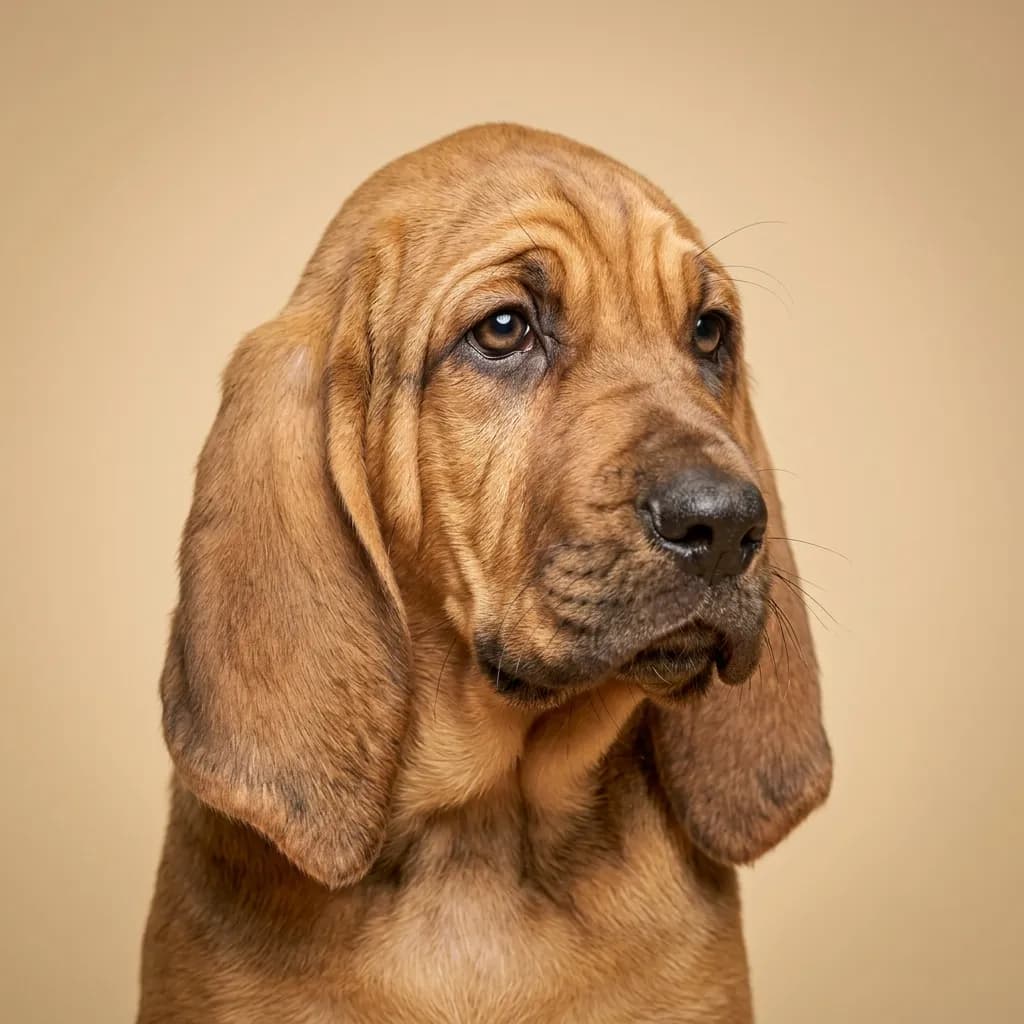
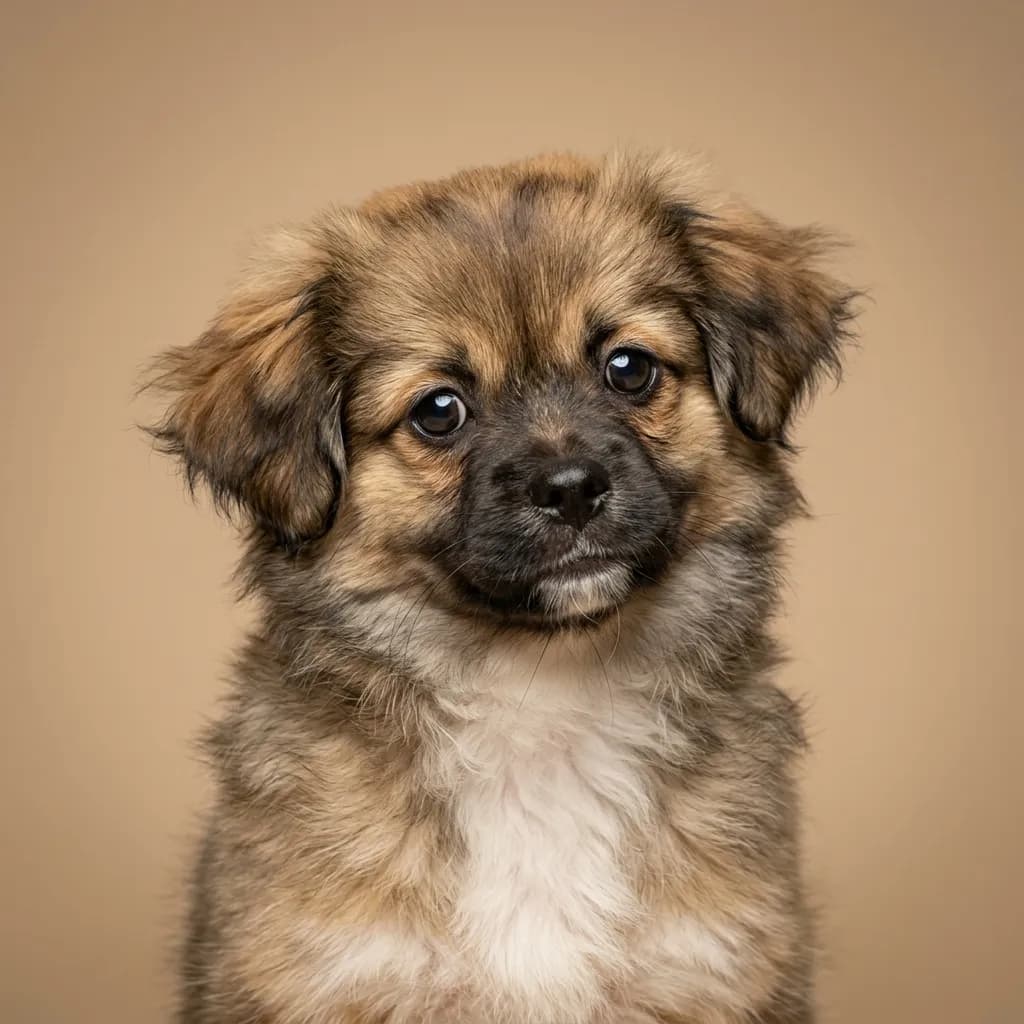
You’re not really comparing a Bloodhound to a Tibetan Spaniel because you want the same thing from both dogs. You’re doing it because you’re torn between two visions of dog ownership. one rooted in purpose and power, the other in presence and companionship. The Bloodhound is a living bloodhound machine. At 100 pounds of wrinkled, droopy-eared determination, it’s built to follow a scent trail for miles, ignoring rain, noise, or distractions. They’re friendly but stubborn, loyal but independent. You’ll need a six-foot fence and time for long walks because they won’t stay put and they bark. deep, mournful bays that carry for blocks. They’re not ideal for kids under 10 simply because their size alone can knock someone over. If you're on a quiet street or lack outdoor space, this isn’t your dog. But if you want a partner for tracking, hunting, or search-and-rescue work, there’s no substitute. The Tibetan Spaniel, by contrast, fits in your lap. Bred as a monastery sentinel in the Himalayas, they’re alert and observant but not loud. They bond deeply, follow you from room to room, and greet you like you’ve been gone for years. even if it’s only been five minutes. They adapt to apartments easily and are great with gentle children. Training takes patience; they’re bright but opinionated. Here’s what the data won’t tell you: the Bloodhound will break your heart by wandering off toward a scent, even after years of training. And the Tibetan Spaniel? They’ll act like a lion guarding a temple, barking at the mailman with dramatic urgency despite weighing 12 pounds. Choose the Bloodhound if you respect instinct over obedience. Choose the Spaniel if you want a tiny, regal shadow who thinks he’s your protector.
Trait-by-trait
Higher bar = more of that trait. Shedding, barking, drooling, grooming flipped for readability.Where they diverge
Choose the Bloodhound if…
- Active people
- Rural homes
- Hunters
- You value drooling level — Bloodhound scores noticeably higher.
Choose the Tibetan Spaniel if…
- Apartment living
- Seniors
- Families with gentle children
- You value good with young children — Tibetan Spaniel scores higher here.