Bloodhound vs Tosa
Side-by-side comparison across all 14 AKC trait ratings, with a clear verdict on which breed fits which kind of household.
Not sure which breed fits your life?
Answer five questions about your home, your schedule, and your tolerance for shedding. We’ll match you to your top three breeds from over 200.
Bloodhound vs Tosa
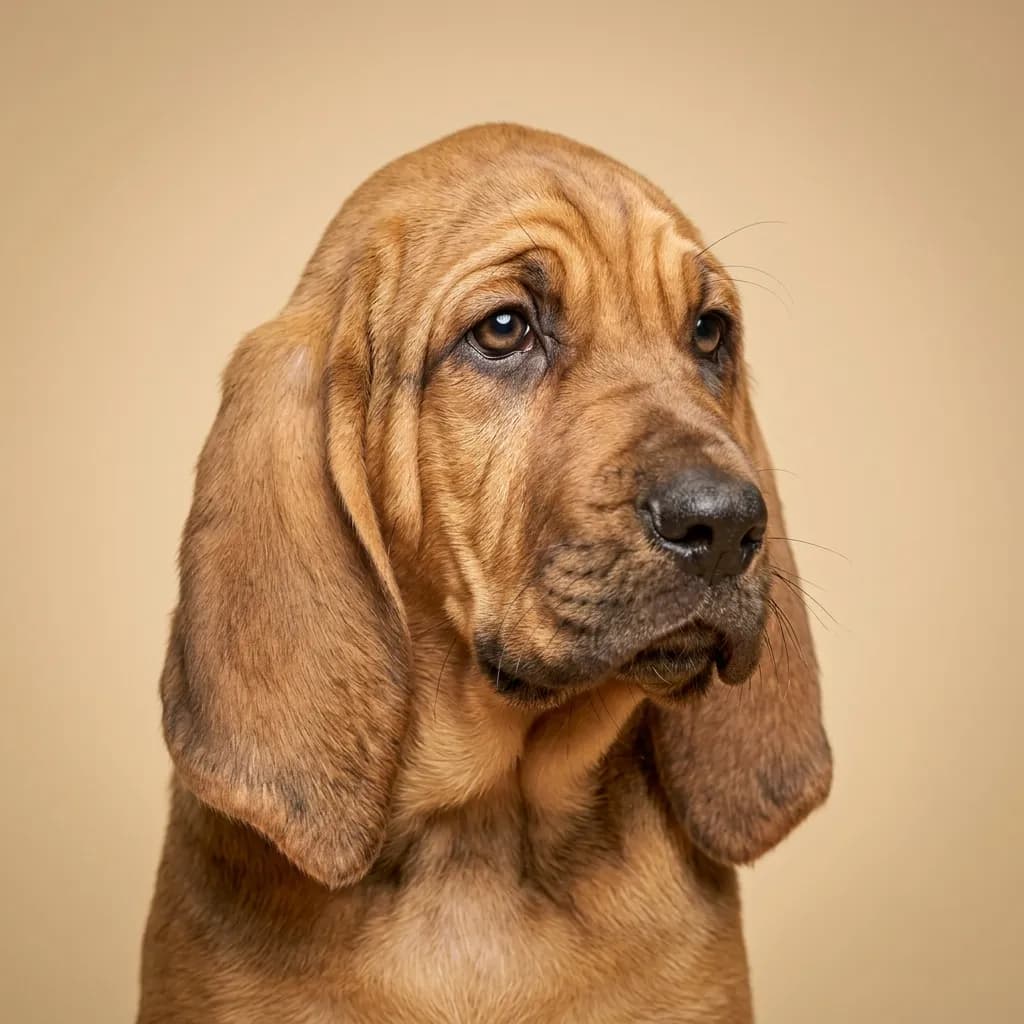
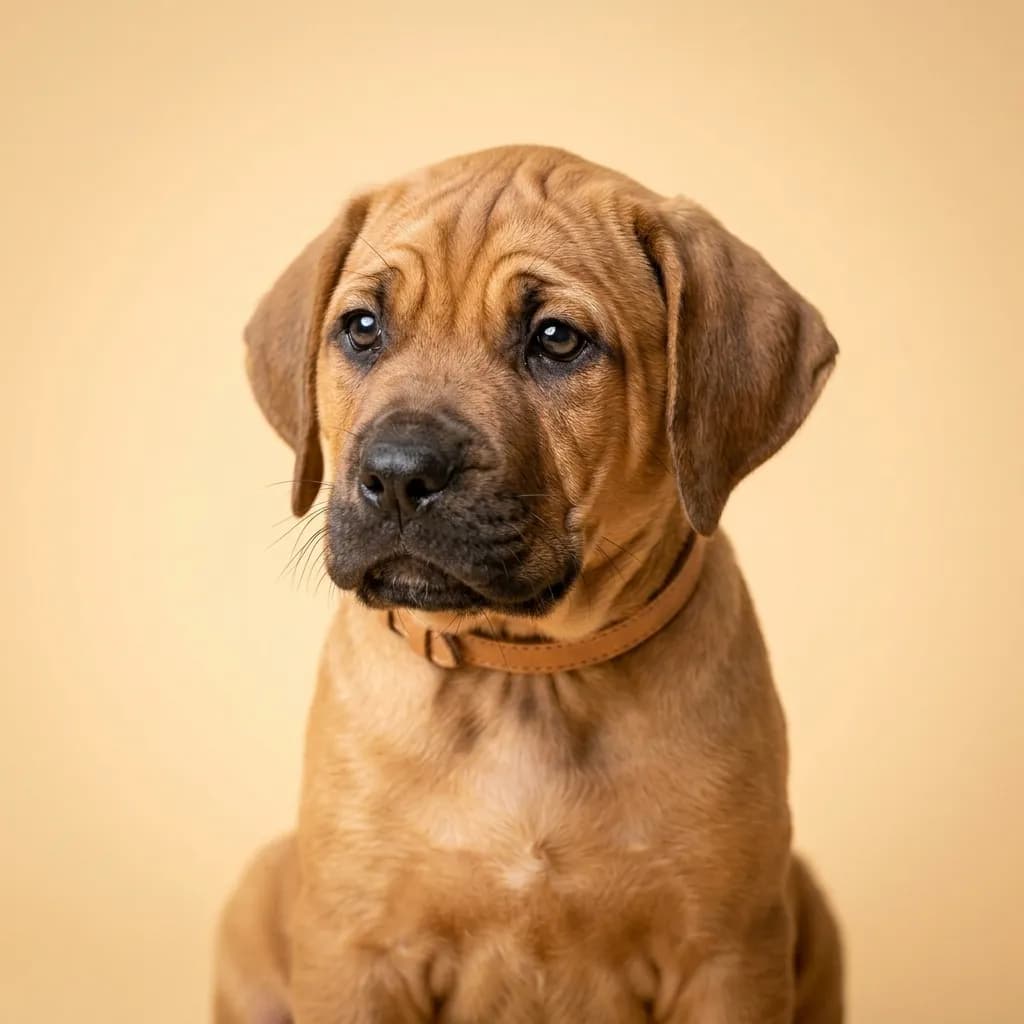
You don’t see Bloodhounds and Tosa Inus side by side at dog parks. these breeds live in completely different worlds, yet people compare them when they’re looking for a large, powerful dog with a calm side and a deep sense of loyalty. That’s where the similarities end. The Bloodhound is a scent-driven detective, built to follow a trail for miles with single-minded focus. You’ll find them with droopy ears, dragging you down the street as they nose the ground, utterly lost in the story written in the air. They’re friendly but stubborn, loud with their baying, and need space to roam. ideally a rural home with a secure fence. They’re not aloof, but they’re not always tuned into you either. A Bloodhound will love you deeply in that absentminded professor kind of way. The Tosa, on the other hand, is a silent giant. Bred for dog fighting in Japan, today’s Tosa is intensely calm, reserved, and deeply loyal to its handler. They’re not aggressive by default, but they are cautious, powerful, and require a confident, experienced hand. You won’t hear them bark much, but their presence alone commands space. They’re better suited to a quiet, structured home with room to move. not because they need tons of exercise, but because their size demands respect. If you’re active and don’t mind the noise, and you love the idea of a dog that’s always on a mission, the Bloodhound might be your match. But if you want a stoic, imposing companion and have the experience to handle a breed with a guarded history, the Tosa could be it. Here’s the truth no one talks about: both dogs are prone to bloat, but the Tosa’s size means a single emergency vet visit can cost thousands. This isn’t just about temperament. it’s about readiness for life-or-death responsibility.
Trait-by-trait
Higher bar = more of that trait. Shedding, barking, drooling, grooming flipped for readability.Where they diverge
Choose the Bloodhound if…
- Active people
- Rural homes
- Hunters
- You value good with other dogs — Bloodhound scores noticeably higher.
Choose the Tosa if…
- very experienced large-breed owners
- homes with secure property
- owners seeking a calm giant breed companion
- You value watchdog / protective — Tosa scores higher here.