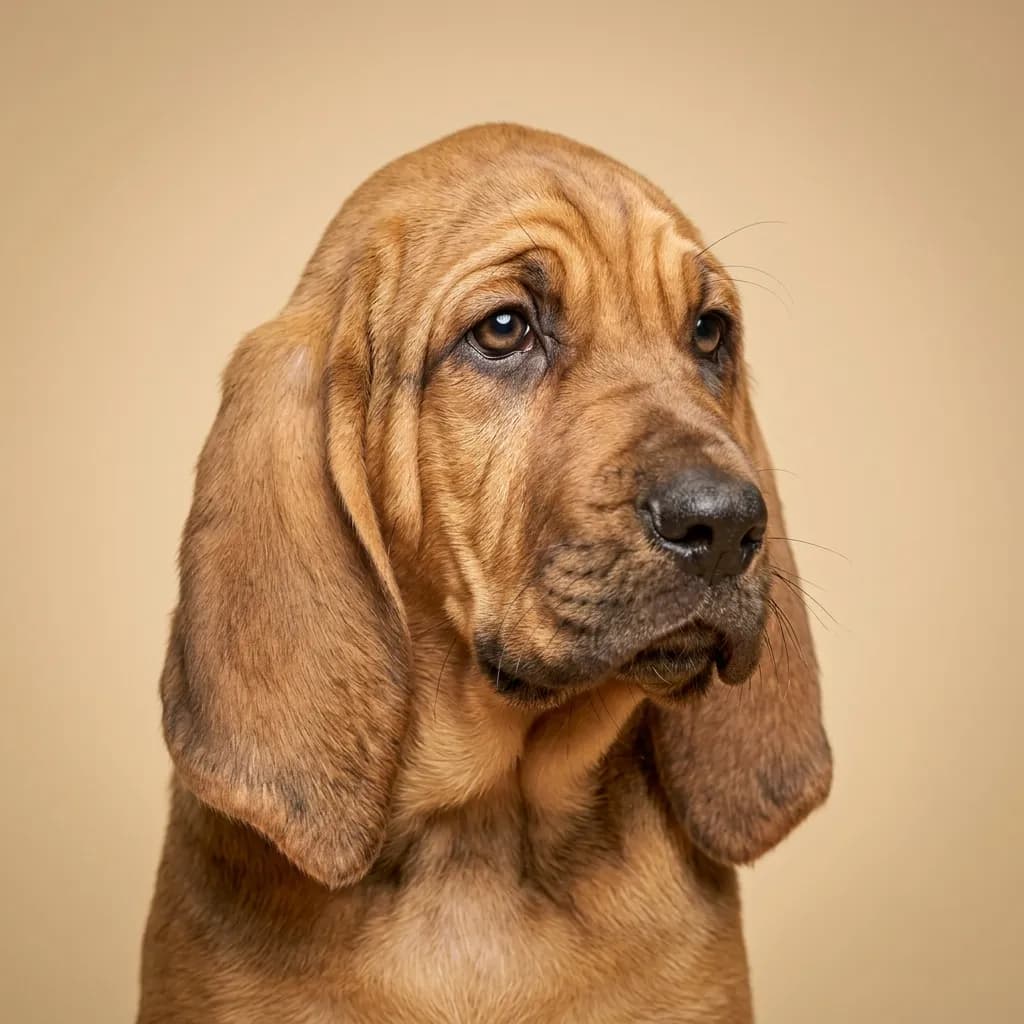
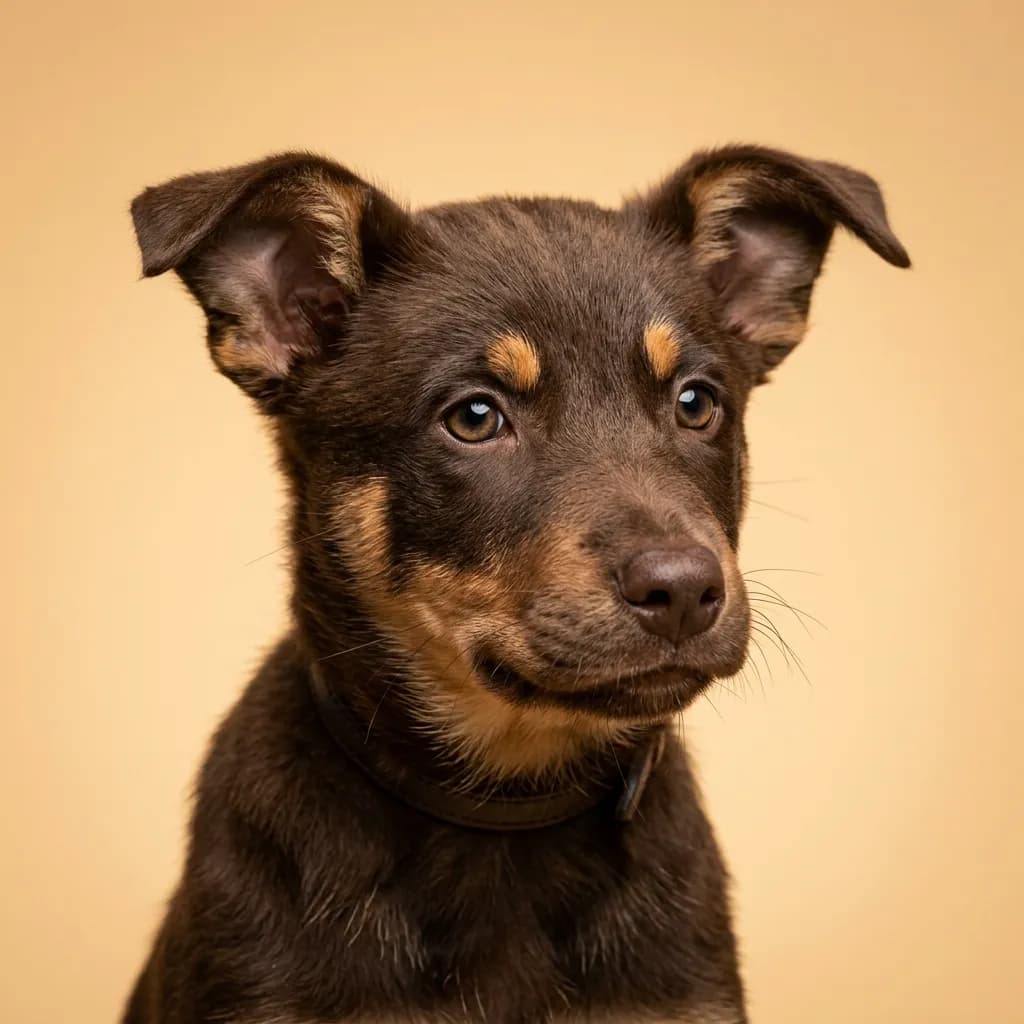
Bloodhound vs Working Kelpie
Side-by-side comparison across all 14 AKC trait ratings, with a clear verdict on which breed fits which kind of household.
Not sure which breed fits your life?
Answer five questions about your home, your schedule, and your tolerance for shedding. We’ll match you to your top three breeds from over 200.
Bloodhound vs Working Kelpie
You don’t often see Bloodhounds and Working Kelpies in the same conversation unless someone’s deep in the weeds of working dogs and wondering how two such driven breeds can feel worlds apart. People compare them because both are intensely purpose-built, loyal, and demand experienced hands. But that’s where the similarity ends. Imagine this: a Bloodhound isn’t following you. He’s following a scent trail you can’t detect, pulling with single-minded determination, ears sweeping the ground like brooms. He’s built for endurance tracking, not speed or obedience drills. He’ll lean into your lap with 100 pounds of floppy affection, but don’t expect him to come when called in open terrain. He’s friendly, yes, but distractible in the worst way if a smell catches his interest. Now picture a Working Kelpie: a wiry bolt of energy that lives to work. He’s reading your body language before you move, nipping at the heels of sheep like it’s coded in his DNA. He doesn’t just want to be outside. he needs to be doing something. Fenced yard? Good. Backyard fetch? Not enough. He’ll outwork you by 3 PM and still be ready for more. The real difference isn’t just energy level. It’s intent. Bloodhounds operate on scent-time; you adapt to them. Kelpies operate on task-time; they sync with your rhythm. if you’re moving. Choose the Bloodhound if you’re in a rural setting, don’t mind the baying, and want a gentle giant with supernatural nose skills. Pick the Kelpie if you’ve got livestock, long days outdoors, and need a dog that’s mentally sharp and always on. Here’s what no chart tells you: both breeds will ignore you when focused. But the Bloodhound forgets you exist because he’s lost in a smell. The Kelpie ignores you because he’s already figured out what you should do next.
Trait-by-trait
Higher bar = more of that trait. Shedding, barking, drooling, grooming flipped for readability.Where they diverge
Choose the Bloodhound if…
- Active people
- Rural homes
- Hunters
- You value drooling level — Bloodhound scores noticeably higher.
Choose the Working Kelpie if…
- Farmers and ranchers
- Experienced dog owners
- Active rural lifestyles
- You value good with young children — Working Kelpie scores higher here.