Bloodhound vs Yorkshire Terrier
Side-by-side comparison across all 14 AKC trait ratings, with a clear verdict on which breed fits which kind of household.
Not sure which breed fits your life?
Answer five questions about your home, your schedule, and your tolerance for shedding. We’ll match you to your top three breeds from over 200.
Bloodhound vs Yorkshire Terrier
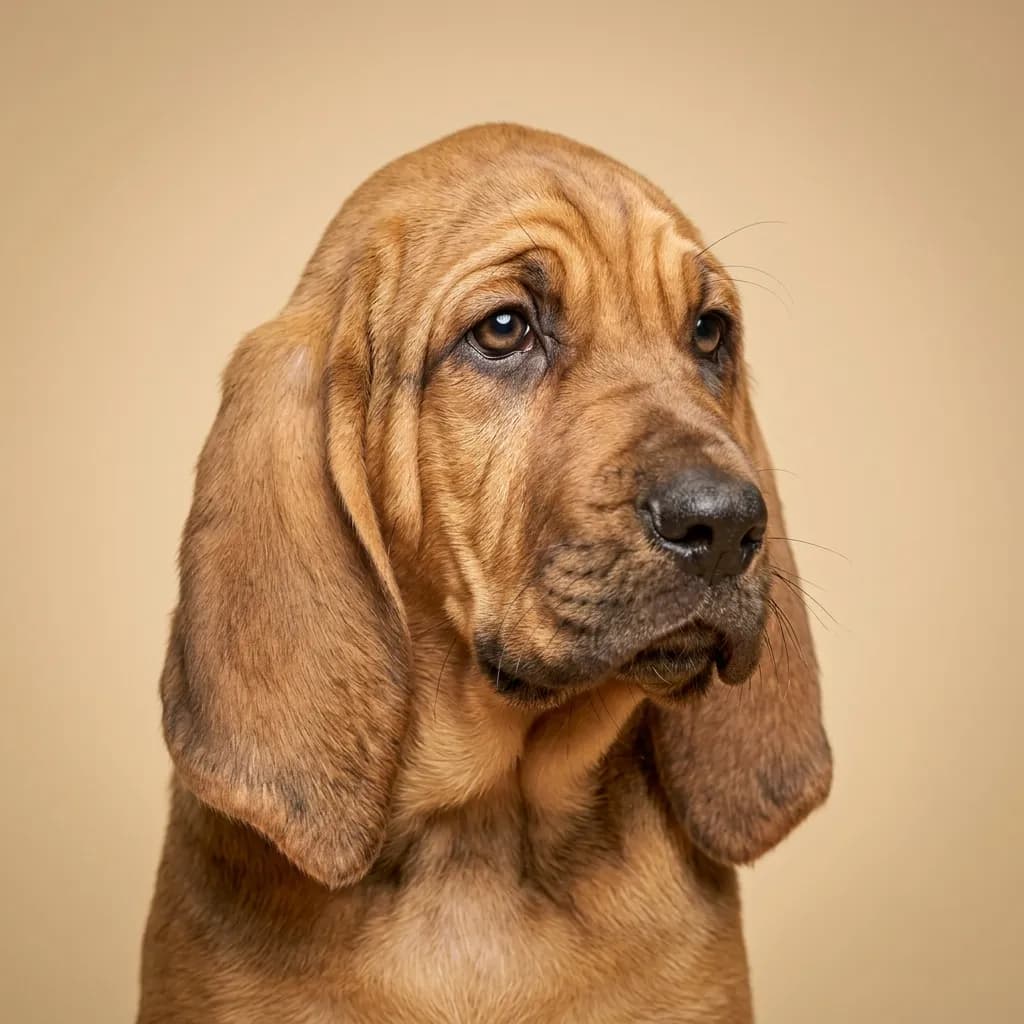
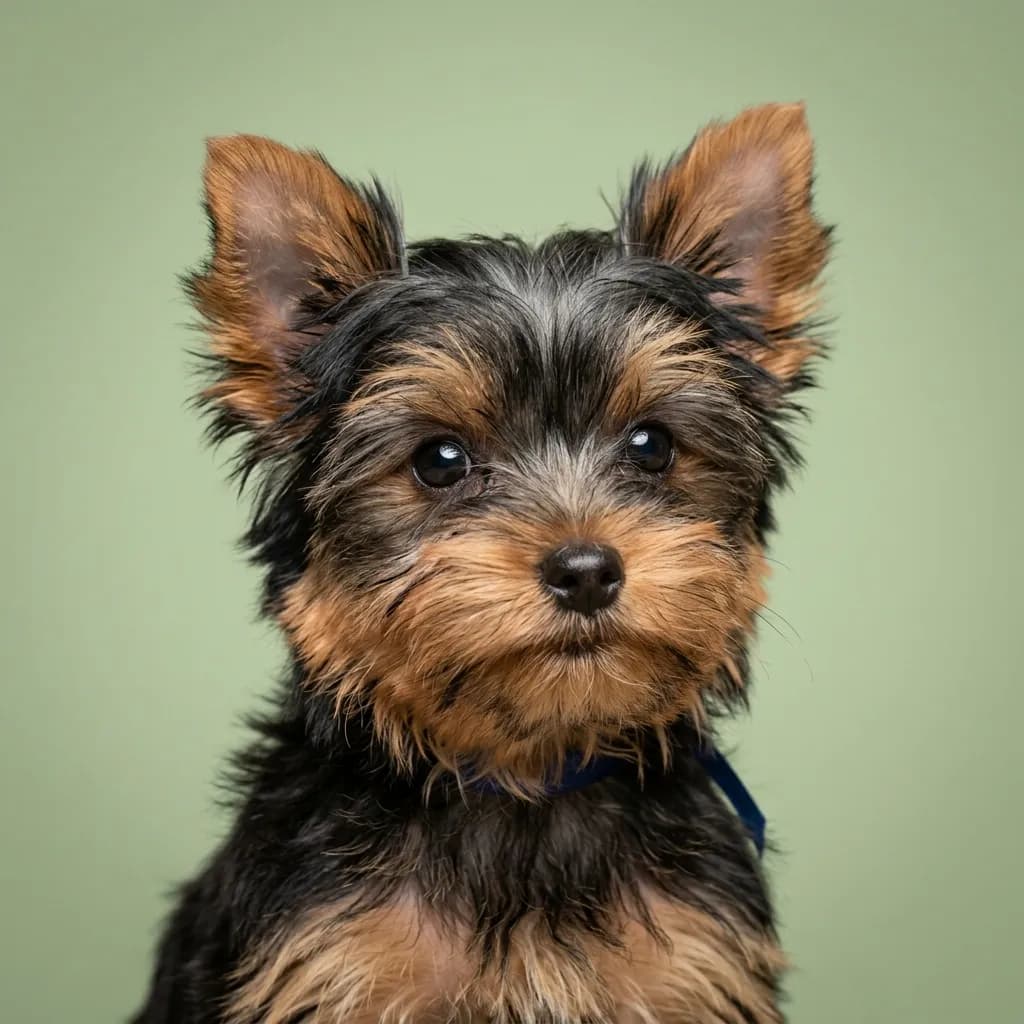
You don’t compare a Bloodhound and a Yorkshire Terrier because they’re alike. you compare them because both end up on people’s shortlists, and that tells you something. Someone’s torn between a life of adventure with a dog who tracks scents across miles and one who fits in a purse and sleeps under the covers. These dogs aren’t just different sizes. They’re different philosophies. The Bloodhound is a living, breathing bloodhound machine. At 100 pounds of loose skin and floppy ears, this dog will follow a scent for 130 miles if you let it. It’s friendly, sure, but it’s built for one thing: following its nose, not your rules. You need space, time, and a solid fence. because once it catches a whiff, it won’t look back. It’s not stubborn. It’s just deeply committed to its job. And it barks. A lot. Not to alert you. Just because. The Yorkshire Terrier? That 7-pound puff of hair is more alert than half the security systems on the market. It’s sprightly, bold, and believes it’s 20 pounds bigger than it is. It bonds hard, travels easy, and barely sheds. great for apartments or allergy sufferers. But it needs supervision. A careless step, a curious cat, even a strong breeze could spell trouble. Pick the Bloodhound if you want a partner in the wild, someone to trail missing hikers or just roam acres of land. Pick the Yorkie if your life is compact, urban, or you just want a velcro dog that fits on your lap. Here’s the real talk: the Bloodhound looks like a gentle giant but has the focus of a Navy SEAL. The Yorkie looks like a toy but has the heart of a warrior. Neither’s low maintenance. One just breaks your fence. The other breaks your wallet.
Trait-by-trait
Higher bar = more of that trait. Shedding, barking, drooling, grooming flipped for readability.Where they diverge
Choose the Bloodhound if…
- Active people
- Rural homes
- Hunters
- You value drooling level — Bloodhound scores noticeably higher.
Choose the Yorkshire Terrier if…
- Apartment living
- People with mild dog allergies
- Seniors and retirees
- You value coat grooming — Yorkshire Terrier scores higher here.