Bluetick Coonhound vs Saint Bernard
Side-by-side comparison across all 14 AKC trait ratings, with a clear verdict on which breed fits which kind of household.

Not sure which breed fits your life?
Answer five questions about your home, your schedule, and your tolerance for shedding. We’ll match you to your top three breeds from over 200.
Bluetick Coonhound vs Saint Bernard
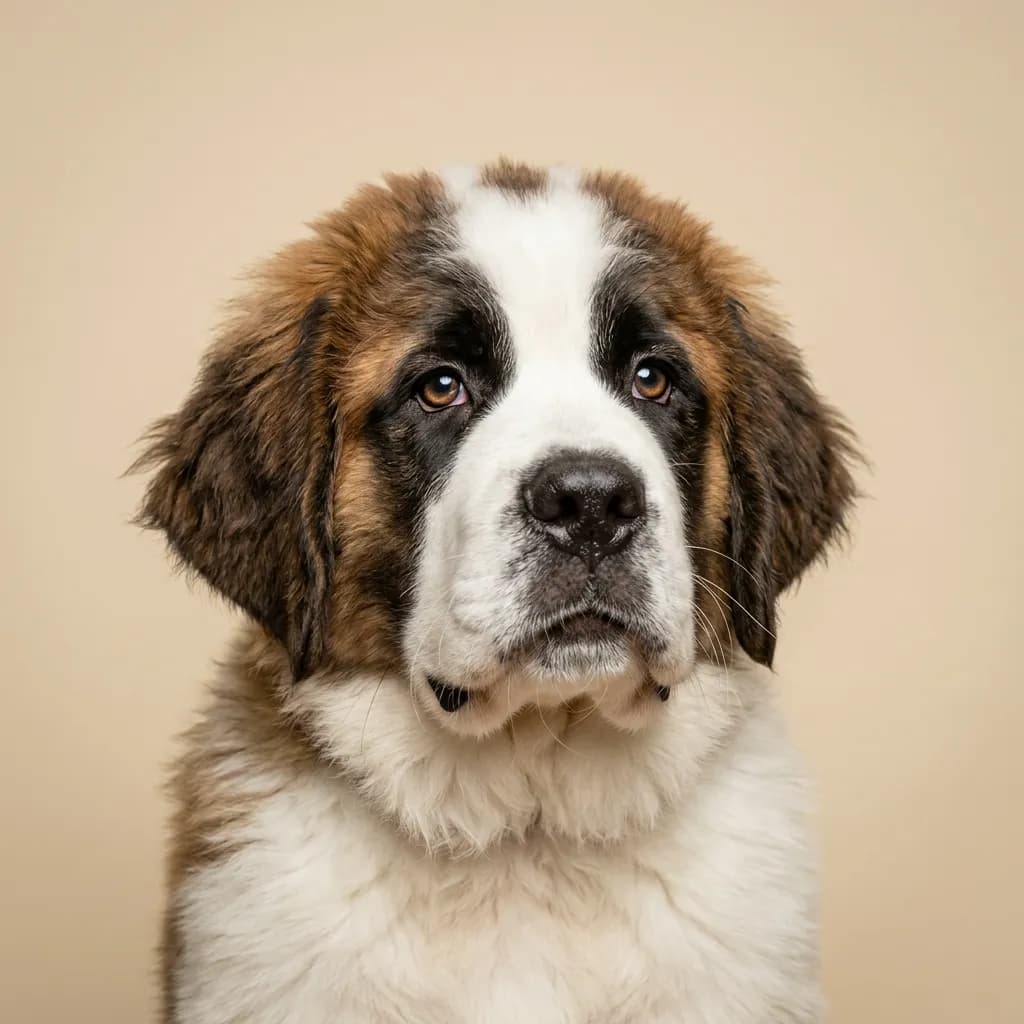
People compare Bluetick Coonhounds and Saint Bernards because both are big, rugged dogs with deep historical roles, but that’s where the similarity ends. One was built to bay at 3 a.m. after a raccoon in the woods, the other to haul supplies through snowdrifts and warm frostbitten travelers with its body heat. If you're picturing a family dog, you're thinking of the Saint Bernard. If you're picturing a hunting partner who might ignore you for days on a scent trail, you're thinking of the Bluetick. The Saint Bernard is a gentle giant, deeply affectionate and patient with kids. They’re calm indoors, don’t bark much, and adapt well to suburban life. just be ready for drool on your laptop and fur on everything else. They’re not as trainable as you’d hope, though, and their size means health issues like bloat and joint problems come earlier, with a shorter lifespan of 8 to 10 years. Blueticks are another beast entirely. They’re lean, loud, and driven. You can’t keep one in a backyard without a 6-foot fence and a plan for daily off-leash running. They bond tightly but won’t obey on recall if a squirrel’s in the air. Great with other dogs, not so great with small pets. They’re smart in a stubborn way. figure things out on their own timeline. Here’s the real talk: Saint Bernards look like dream family dogs, but their health costs add up fast. Blueticks seem like athlete’s companions, but their barking and independence can fracture neighborly peace. Choose the Saint Bernard if you want a calm, loving presence and can handle the mess. Pick the Bluetick only if you’re an active hunter or hiker who wants a dog with a mind of its own. and a voice to match.
Trait-by-trait
Higher bar = more of that trait. Shedding, barking, drooling, grooming flipped for readability.Where they diverge
Choose the Bluetick Coonhound if…
- Active people
- Hunters
- Rural homes
- You value barking level — Bluetick Coonhound scores noticeably higher.
Choose the Saint Bernard if…
- Families with children
- Those wanting a gentle giant
- Cold climate households
- You value drooling level — Saint Bernard scores higher here.