Bolognese vs Peruvian Inca Orchid
Side-by-side comparison across all 14 AKC trait ratings, with a clear verdict on which breed fits which kind of household.
Not sure which breed fits your life?
Answer five questions about your home, your schedule, and your tolerance for shedding. We’ll match you to your top three breeds from over 200.
Bolognese vs Peruvian Inca Orchid
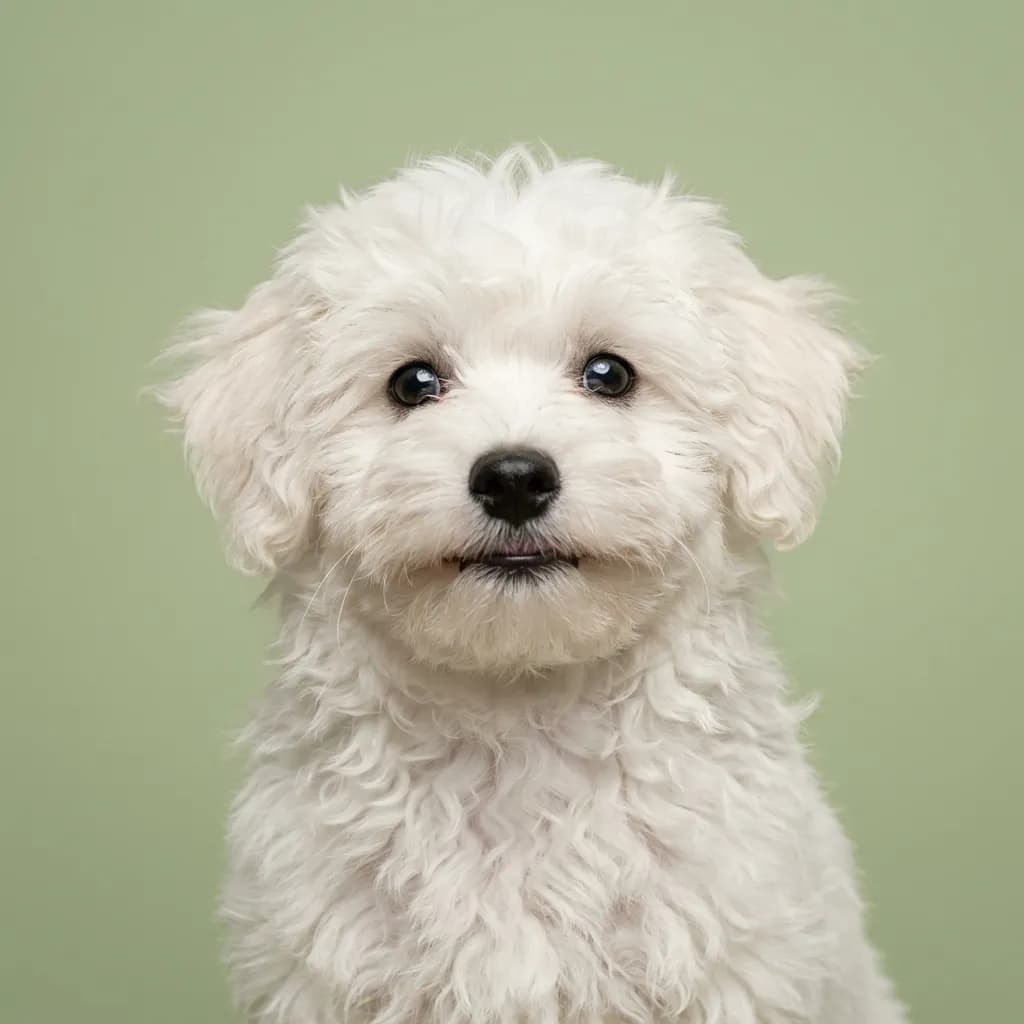
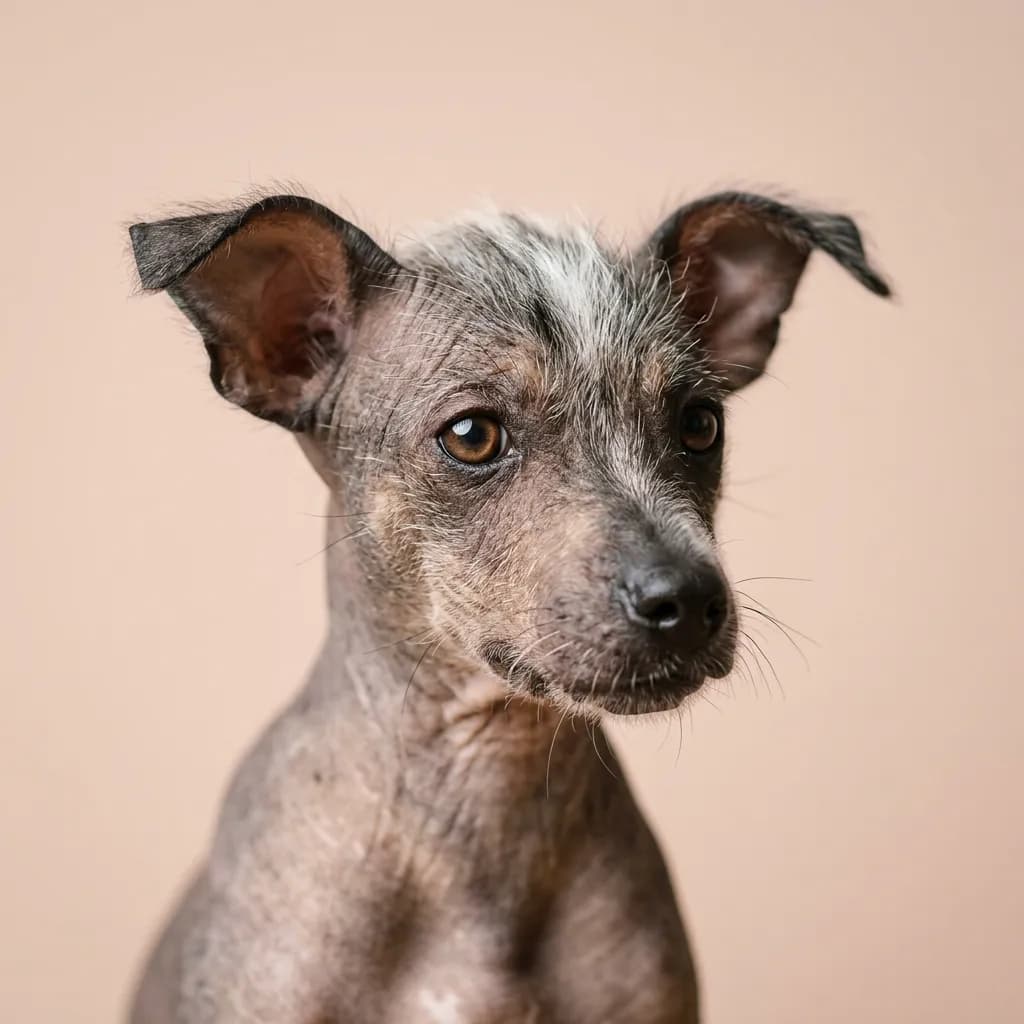
You’re not really comparing a Bolognese to a Peruvian Inca Orchid because they look alike. no one’s mistaking a fluffy white cloud dog for a sleek, ancient-bodied sighthound. You’re here because both are rare, both don’t shed, and both will glue themselves to your side. But that’s where the similarity ends. The Bolognese is the quiet confidant of Italian nobility reborn. Imagine a small, soft puffball that thrives in your lap during Zoom calls, potties on a schedule, and won’t bark unless the mailman breathes too loud. It’s perfect if you work from home, live in a city apartment, or have allergies. But don’t expect a jogging buddy. This dog would rather nap than chase a squirrel, and it gets stressed if left alone too long. It’s a 14-year commitment to gentle companionship, with a side of dental cleanings every year. Now, picture the Peruvian Inca Orchid. especially the hairless version. gliding through your house like a warm-blooded statue from 700 AD. It’s alert, agile, and needs daily movement. It’s affectionate, yes, but on its terms. You’ll need sunscreen for it in summer and a sweater in winter. It’s not fragile, but it’s high-maintenance in ways a first-time owner won’t anticipate: skin care, temperature regulation, and a tendency toward shyness if not socialized early. Here’s the real difference: the Bolognese fits into your life like a well-placed pillow. The Inca Orchid demands you reshape parts of your life around it. If you want a low-shedding companion and love routine, go Bolognese. If you’re experienced, active, and drawn to something truly unusual, the Inca Orchid will captivate you. but only if you’re ready to become its full-time steward.
Trait-by-trait
Higher bar = more of that trait. Shedding, barking, drooling, grooming flipped for readability.Where they diverge
Choose the Bolognese if…
- Apartments
- Seniors
- Allergy sufferers
- You value coat grooming — Bolognese scores noticeably higher.
Choose the Peruvian Inca Orchid if…
- Allergy sufferers
- Experienced sighthound owners
- Active owners
- You value watchdog / protective — Peruvian Inca Orchid scores higher here.