Peruvian Inca Orchid
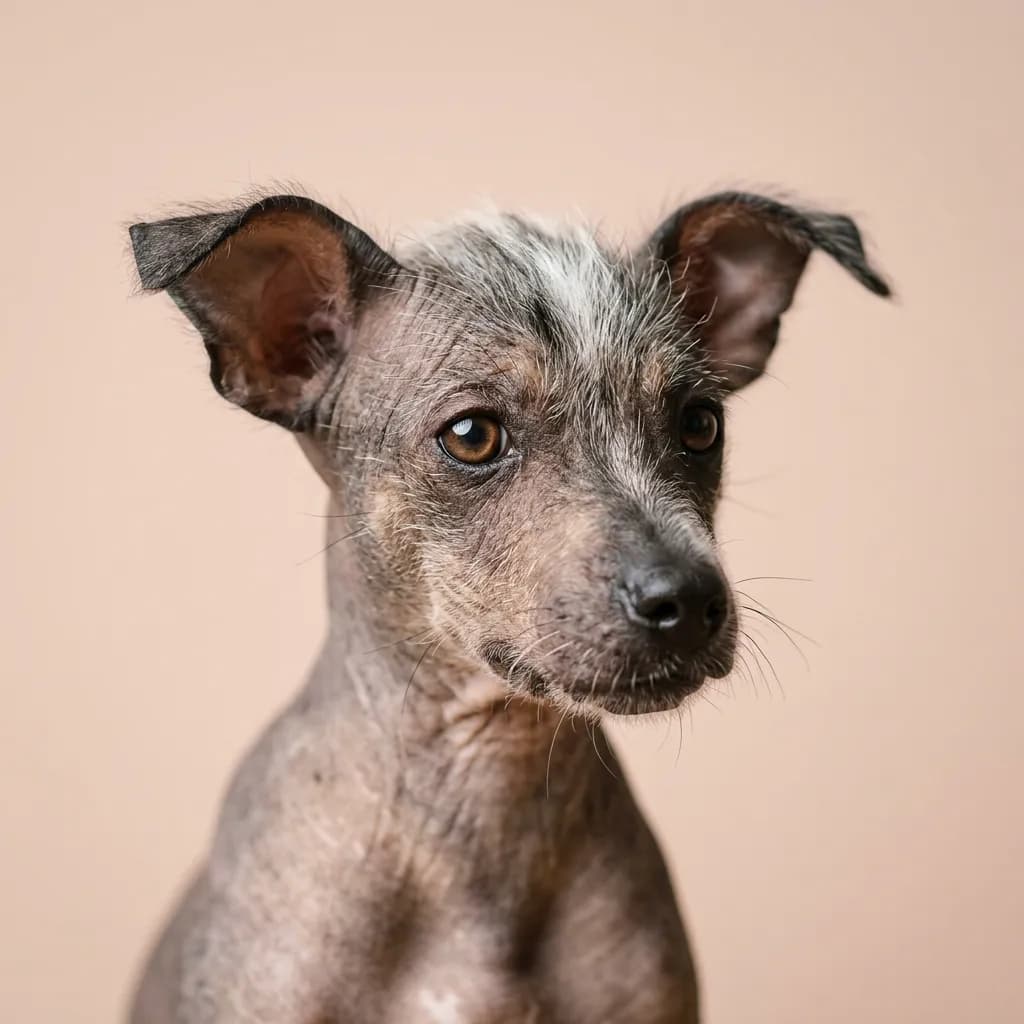
One of the world's oldest breeds and one of its most striking — hairless (or nearly so), ancient, and surprisingly affectionate beneath that otherworldly exterior. They bond intensely with their family but tend to be reserved with strangers, and their thin skin means they need sun protection and a sweater in cold weather. Experienced sighthound owners will feel right at home.
Free weekly training plan, specific to your Peruvian Inca Orchid’s age. Exactly what to focus on this week.
Get your free training planLiving with a Peruvian Inca Orchid
The Peruvian Inca Orchid, or PIO, isn’t just a rare dog. It’s a living relic. This breed has roots stretching back over a thousand years to pre-Incan civilizations in Peru, where they were valued both as companions and hunters of small game.
You’ll find them in ancient pottery and burial sites, which tells you how deeply they were woven into daily life. Today, they’re still rare, still noble, and still utterly devoted to their people. Living with a PIO is like having a warm, velvety shadow that follows you from room to room.
They’re affectionate to a fault, happiest when curled up on your lap or leaning hard against your leg. Don’t expect aloofness. These dogs bond hard and fast.
They’re loyal, alert, and carry themselves with a quiet dignity that’s easy to respect. But don’t mistake their elegance for low energy. They score a solid 4 out of 5 on energy, needing daily brisk walks and occasional off-leash sprints in a secure area.
A fenced yard is ideal. They’re sighthounds at heart, so recall can be dicey if they spot a squirrel. Grooming is where reality bites.
The hairless variety, which most people picture, requires serious skin care. You can’t just ignore it. Their skin is prone to sunburn, dryness, and acne-like flare-ups.
They need sunscreen in summer, moisturizer in winter, and regular cleaning of the pores. Yes, really. And in cold weather?
They’ll need sweaters. Not for fashion, but survival. The coated variety is simpler to maintain but still needs brushing.
Health-wise, dental issues are common in hairless types due to missing teeth or crowding. Epilepsy and inflammatory bowel disease are seen more than in some breeds, so budget for vet care. They live 12 to 14 years, which is solid, but you’ll want a breeder who screens for these issues.
They’re best for experienced owners who appreciate sighthound quirks and can commit to skin care. Allergy sufferers often do well with them thanks to minimal shedding. But if you’re a first-timer, have toddlers, or live where it snows six months a year, look elsewhere.
Here’s the truth no one says: their nobility isn’t just in their posture. It’s in how they demand to be seen as individuals, not props. You don’t own a PIO.
You’re privileged to be chosen by one.
14 traits, at a glance.
Every breed on PuppyBase is rated across the 14 trait dimensions the American Kennel Club publishes — from trainability to drooling level. The higher the score, the better the fit for that trait.
What to expect day-to-day
Things to screen for
- Skin issues and sunburn
- Epilepsy
- Hypothyroidism
- Dental problems (hairless variety)
- Inflammatory bowel disease
See a full price breakdown — first-year costs, lifetime estimate, breeder vs. adoption.
Full price guideSimilar breeds
Browse all 200+
Common questions
How long do Peruvian Inca Orchids live?
Peruvian Inca Orchids typically live between 12 and 14 years, which is a solid lifespan for a dog of their size and build.
How much does a Peruvian Inca Orchid puppy cost?
A Peruvian Inca Orchid puppy usually costs between $1,800 and $4,500, with most buyers paying around $3,000 due to the breed's rarity and specialized breeding.
How much do Peruvian Inca Orchids shed?
Peruvian Inca Orchids shed very little, especially the hairless variety, making them an excellent choice for people who want a low-shedding dog.
What colors do Peruvian Inca Orchids come in?
The hairless variety comes in pink, chocolate, black, gray, and golden skin tones, while the coated type appears in solid or spotted versions of those same colors.
How big do Peruvian Inca Orchids get?
They come in three sizes, ranging from 9.8 to 25.8 inches tall and weighing between 8.5 and 55 pounds, so they can be quite small or nearly large-breed sized.
Are Peruvian Inca Orchids smart?
Yes, Peruvian Inca Orchids are intelligent dogs with moderate mental stimulation needs, and they do best when given consistent challenges and engagement.
Are Peruvian Inca Orchids hypoallergenic?
Yes, Peruvian Inca Orchids are considered hypoallergenic, largely due to their hairless coats and minimal shedding, making them a good match for allergy sufferers.
Are Peruvian Inca Orchids aggressive?
No, they're not typically aggressive, but they are reserved with strangers and form intense bonds with their family, which can look like aloofness if you don't know them.
What health problems are common in Peruvian Inca Orchids?
Common issues include dental problems, skin sensitivity and sunburn, epilepsy, inflammatory bowel disease, and hypothyroidism, so proactive veterinary care is important.
Do Peruvian Inca Orchids bark a lot?
They bark moderately, not excessively, and usually only when alerting or reacting to something unusual, making them decent watchdogs without being noisy.
Are Peruvian Inca Orchids easy to train?
They are moderately trainable, responding best to experienced handlers who understand sighthound sensitivities and use consistent, patient methods.
Are Peruvian Inca Orchids good family dogs?
They can be, but they're not ideal for families with young children due to their sensitivity and reserve; they do best in homes with older, respectful household members.
Are Peruvian Inca Orchids good with cats?
They have moderate compatibility with other dogs and can live with cats, especially if raised together, though their sighthound instinct may trigger around small, quick-moving animals.
Do Peruvian Inca Orchids need sunscreen?
Yes, their hairless skin burns easily in the sun, so applying dog-safe sunscreen is essential when they're outside during daylight hours.
Can Peruvian Inca Orchids live in apartments?
Yes, they adapt well to apartment living as long as they get daily exercise and mental stimulation, but owners must protect them from cold drafts and provide warm clothing.
Are Peruvian Inca Orchids good hunting dogs?
They were originally bred to hunt small game in ancient Peru, and while few do so today, their sighthound instincts remain strong and they’ll chase small animals if given the chance.
Not sure which breed fits your life?
Answer five questions about your home, your schedule, and your tolerance for shedding. We’ll match you to your top three breeds from over 200.