Border Collie vs Swedish Lapphund
Side-by-side comparison across all 14 AKC trait ratings, with a clear verdict on which breed fits which kind of household.
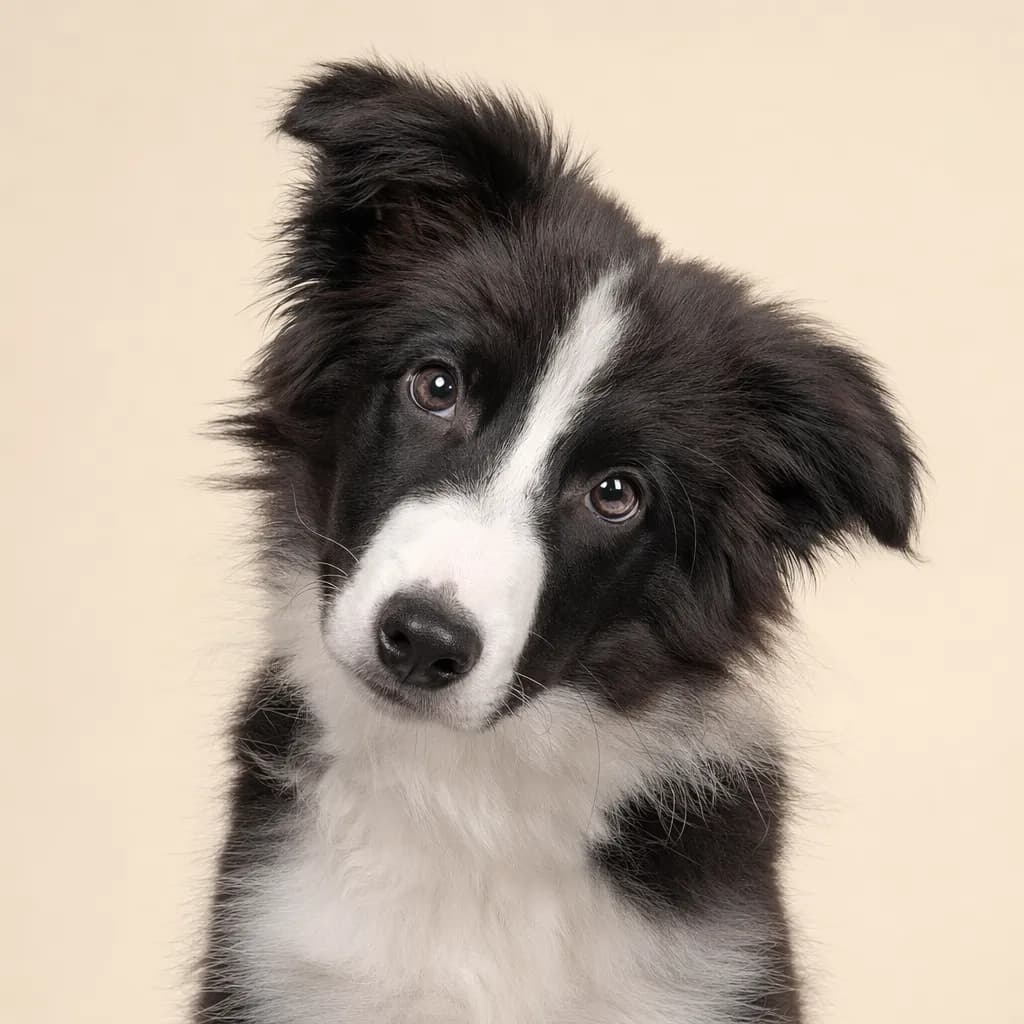
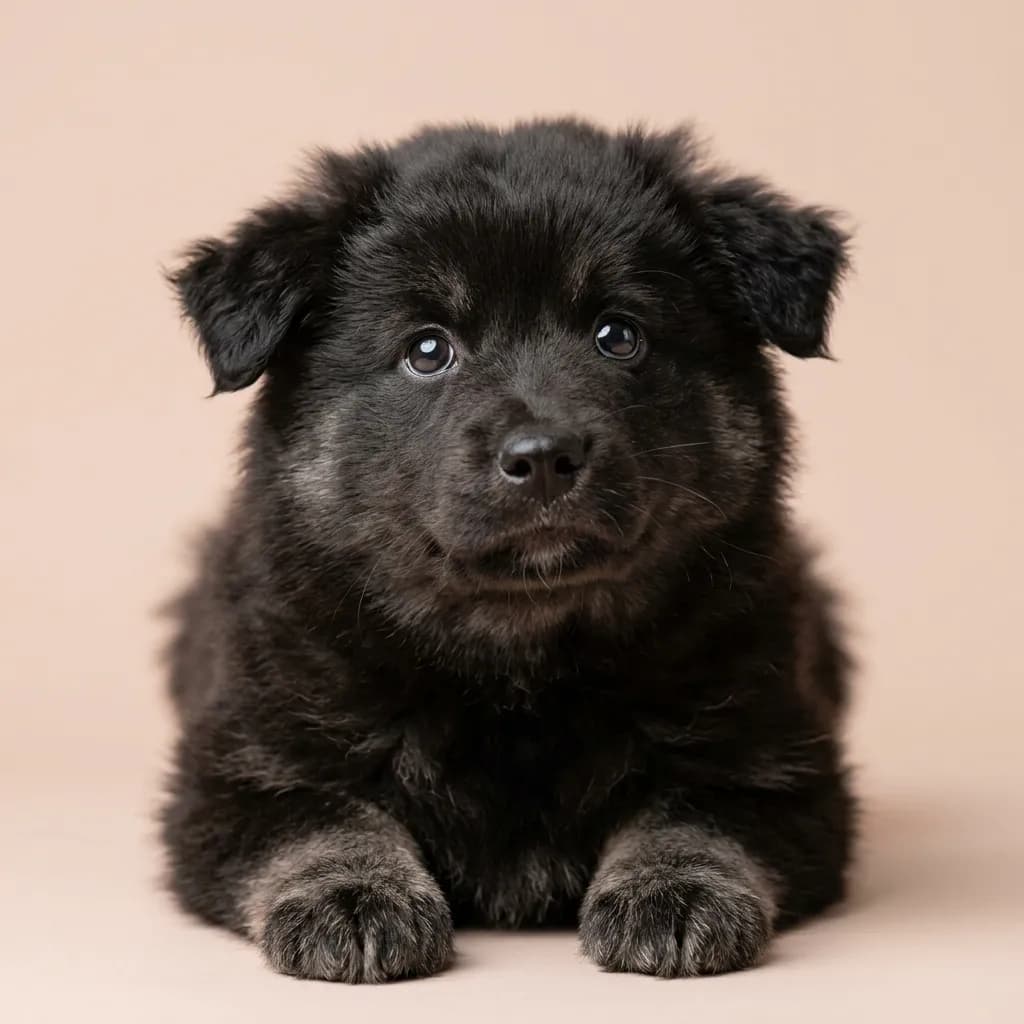
Not sure which breed fits your life?
Answer five questions about your home, your schedule, and your tolerance for shedding. We’ll match you to your top three breeds from over 200.
Border Collie vs Swedish Lapphund
People compare Border Collies and Swedish Lapphunds because they’re both smart, energetic herding dogs with a wild, alert look and a love for outdoor work. On paper, they seem like cousins. But in real life, they’re built for very different worlds. If you’re a Border Collie person, you’re probably already running 5 miles a day, training for agility, or working livestock. This dog isn’t just active. It needs a job. Its brain is a high-performance engine. skip mental stimulation and you’ll come home to a chewed-up doorframe. They’re adaptable in space but not in lifestyle. You can’t just “take it easy” some weekends. The Swedish Lapphund is no slouch. it’s lively, trainable, and thrives in dog sports. But it’s got a softer default setting. Bred to work long days in Arctic cold with the Sami people, it’s tough, sure, but also deeply bonded and a bit more forgiving of downtime. It’s still a barker and a shedder, and it won’t do well in hot climates or with owners who hate noise. But it’s less obsessive, less intense. It’ll nudge you for pets after a good game of fetch, not demand another round of precision drills. Here’s the real difference: Border Collies need purpose. Lapphunds need partnership. If your life revolves around activity and precision, go Border Collie. If you want a loyal, clever companion for a rugged but balanced life. especially in a colder climate. the Lapphund might surprise you. And one thing no breeder will tell you upfront: the Lapphund’s price tag isn’t just rarity. It’s the cost of finding a dog that’s smart without being relentless. In a world obsessed with peak performance, that’s a quiet superpower.
Trait-by-trait
Higher bar = more of that trait. Shedding, barking, drooling, grooming flipped for readability.Where they diverge
Choose the Border Collie if…
- Active people
- Dog sports enthusiasts
- Experienced owners
- You value adaptability — Border Collie scores noticeably higher.
Choose the Swedish Lapphund if…
- Active families
- Cold climate households
- Dog sports enthusiasts
- You value drooling level — Swedish Lapphund scores higher here.