Border Terrier vs Norwegian Elkhound
Side-by-side comparison across all 14 AKC trait ratings, with a clear verdict on which breed fits which kind of household.

Not sure which breed fits your life?
Answer five questions about your home, your schedule, and your tolerance for shedding. We’ll match you to your top three breeds from over 200.
Border Terrier vs Norwegian Elkhound
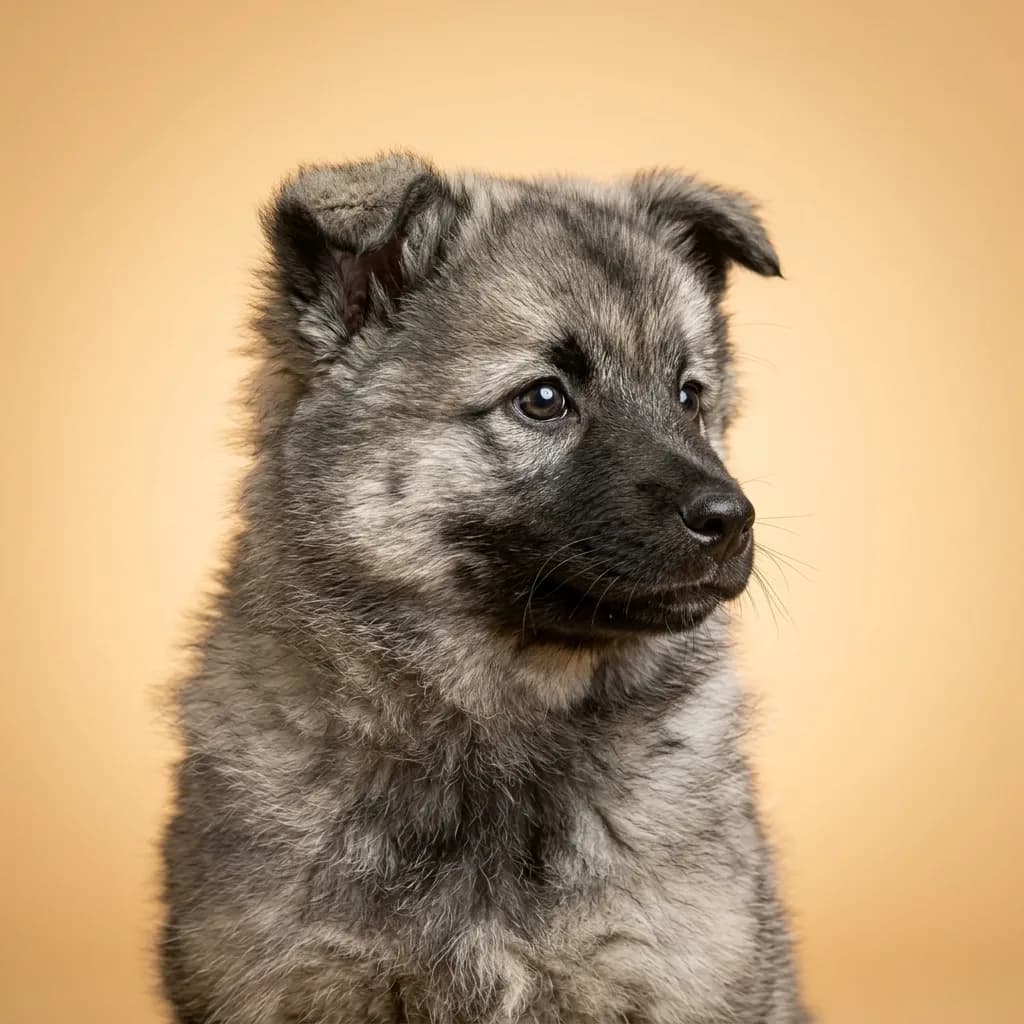
People compare Border Terriers and Norwegian Elkhounds because they’re both rugged, hardy dogs with double coats and a working past, but that’s where the similarities end. One’s a scrappy little fox hunter built for speed and agility on rocky hills, the other a muscular, wolflike guardian bred to bay moose in subzero Nordic forests. If you’re drawn to either, you probably love dogs with grit and purpose, but your lifestyle will decide which one actually fits. The Border Terrier is the compact, easy-to-live-with companion. At under 15 pounds, he’s happy in an apartment as long as you take him on daily hikes or brisk walks. He’s sweet with kids, adaptable, and surprisingly easy to train. But don’t be fooled by his soft eyes. he’s still a terrier. That means he’ll chase squirrels, bark at noise, and maybe not get along with your pet hamster. He’s a great first dog, but not a solo act in a house full of cats or rabbits. The Elkhound is a different beast. He’s 50 pounds of bold, independent hound with a bark that warns the whole neighborhood. He needs space, cold weather, and a job. like trailing you on mountain trails or patrolling your yard. He’s affectionate with his people but more reserved with strangers, and while he can be good with older kids, his energy can knock over toddlers. Here’s the real talk: the Border Terrier wants to please you. The Elkhound chooses to please you. on his terms. If you want a dog who’s always tuned in, go Border. If you want a stoic, loyal shadow with a wild streak, pick the Elkhound. Just know. both will outlive most dogs, but neither will outlast your vacuum cleaner.
Trait-by-trait
Higher bar = more of that trait. Shedding, barking, drooling, grooming flipped for readability.Where they diverge
Choose the Border Terrier if…
- Active people
- Families
- Apartments (with exercise)
- You value good with young children — Border Terrier scores noticeably higher.
Choose the Norwegian Elkhound if…
- Active families
- Cold climate dwellers
- Outdoor and hiking enthusiasts
- You value watchdog / protective — Norwegian Elkhound scores higher here.