Boston Terrier vs Norwegian Elkhound
Side-by-side comparison across all 14 AKC trait ratings, with a clear verdict on which breed fits which kind of household.
Not sure which breed fits your life?
Answer five questions about your home, your schedule, and your tolerance for shedding. We’ll match you to your top three breeds from over 200.
Boston Terrier vs Norwegian Elkhound
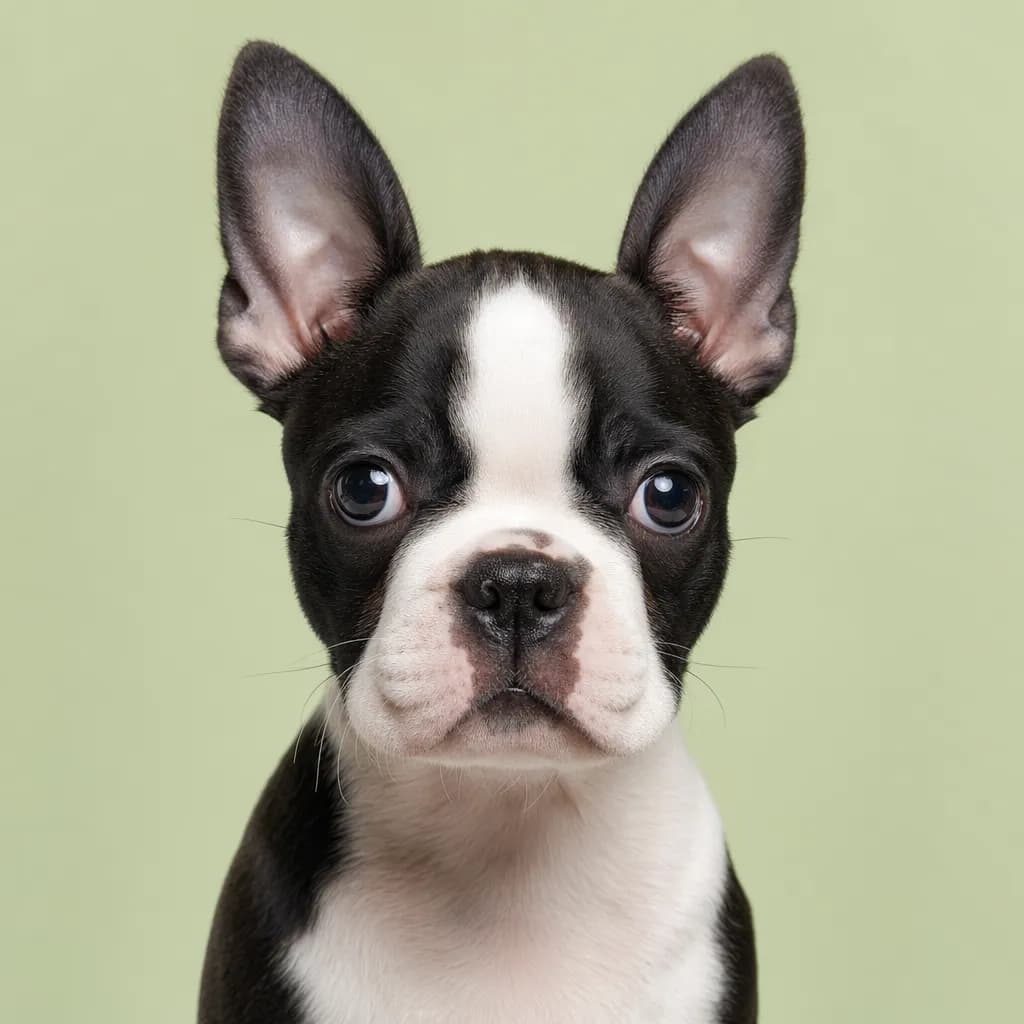
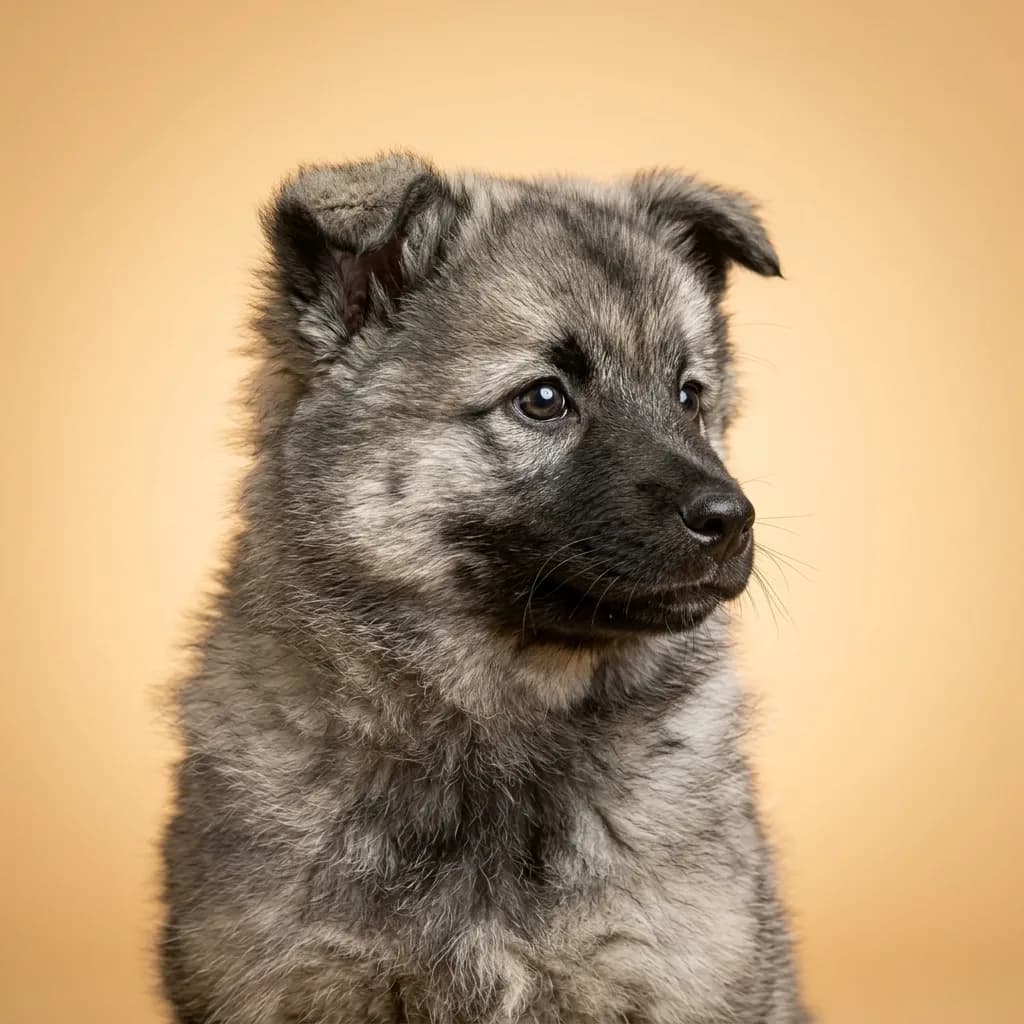
People compare Boston Terriers and Norwegian Elkhounds because both are medium-sized, friendly dogs with a kind of bold personality that makes them stand out in a crowd. But that’s where the similarities end. Think of it like choosing between a city apartment with a view or a cabin up north. your lifestyle decides for you. The Boston Terrier is the life of the dog park, the comical little guy who’ll sit in your lap and nap after a brisk walk around the block. He’s built for life in an apartment, adores kids, and thrives on attention. But don’t let his size fool you. he’s got a stubborn streak and can struggle in heat due to his short snout, so summer walks need caution. You’ll also want to budget for potential vet bills down the line, especially if breathing issues arise. The Norwegian Elkhound is built for another world entirely. This dog was bred to trail elk in freezing Scandinavian forests. He’s tougher, louder, and needs real adventure. long hikes, mental challenges, a job to do. He’ll bark at a squirrel 200 yards away, shed twice a year like a snowstorm, and stand guard with quiet dignity. He’s not as naturally tuned to kids as the Boston, but he’s fiercely loyal and thrives with active owners who don’t mind a dog that thinks for himself. Here’s the thing the breed standards won’t tell you: The Elkhound has a mind like an old woodsman. he’s not trying to obey, he’s trying to collaborate. The Boston, on the other hand, wants to please but will negotiate like a tiny lawyer in a tuxedo. Pick the Boston if you want charm and ease. Pick the Elkhound if you want a partner for a wilder life.
Trait-by-trait
Higher bar = more of that trait. Shedding, barking, drooling, grooming flipped for readability.Where they diverge
Choose the Boston Terrier if…
- Apartments
- Families
- First-time owners
- You value good with young children — Boston Terrier scores noticeably higher.
Choose the Norwegian Elkhound if…
- Active families
- Cold climate dwellers
- Outdoor and hiking enthusiasts
- You value watchdog / protective — Norwegian Elkhound scores higher here.