Boston Terrier vs Siberian Husky
Side-by-side comparison across all 14 AKC trait ratings, with a clear verdict on which breed fits which kind of household.
Not sure which breed fits your life?
Answer five questions about your home, your schedule, and your tolerance for shedding. We’ll match you to your top three breeds from over 200.
Boston Terrier vs Siberian Husky
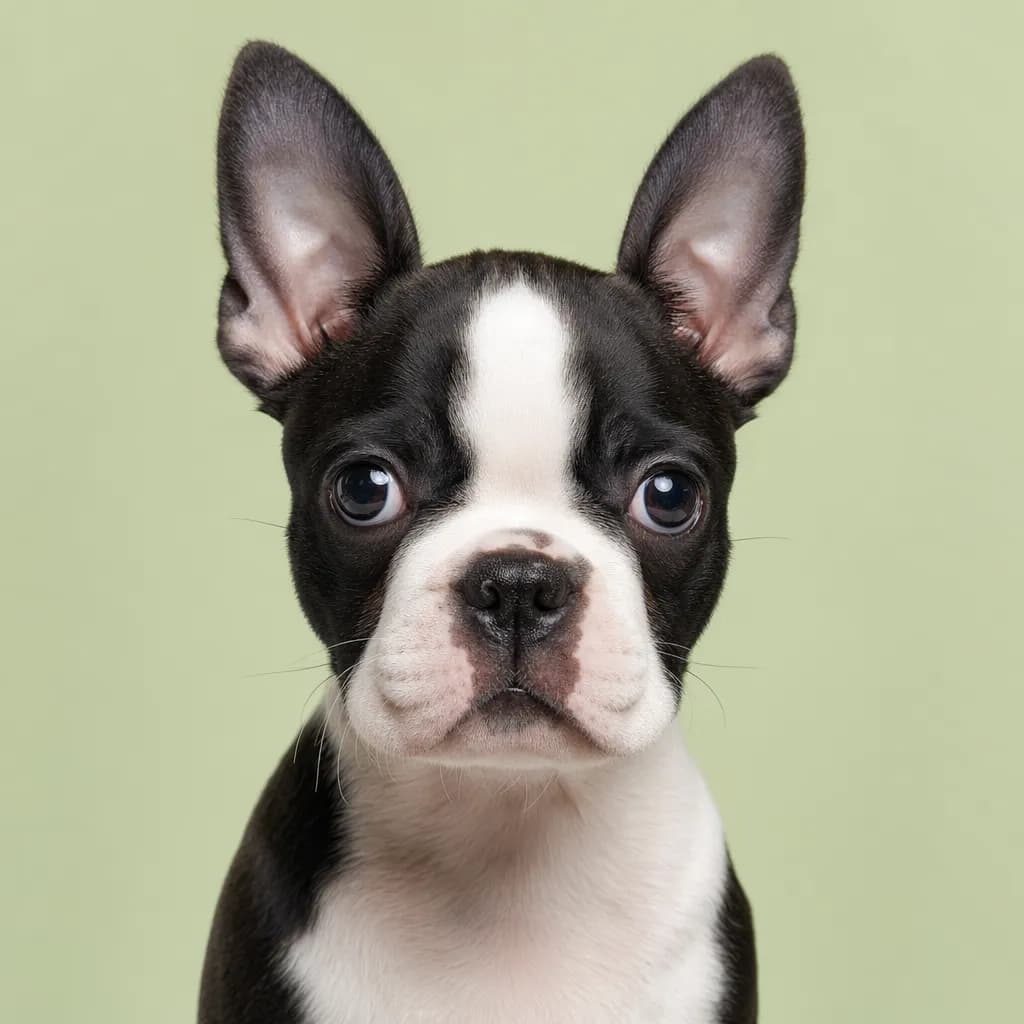
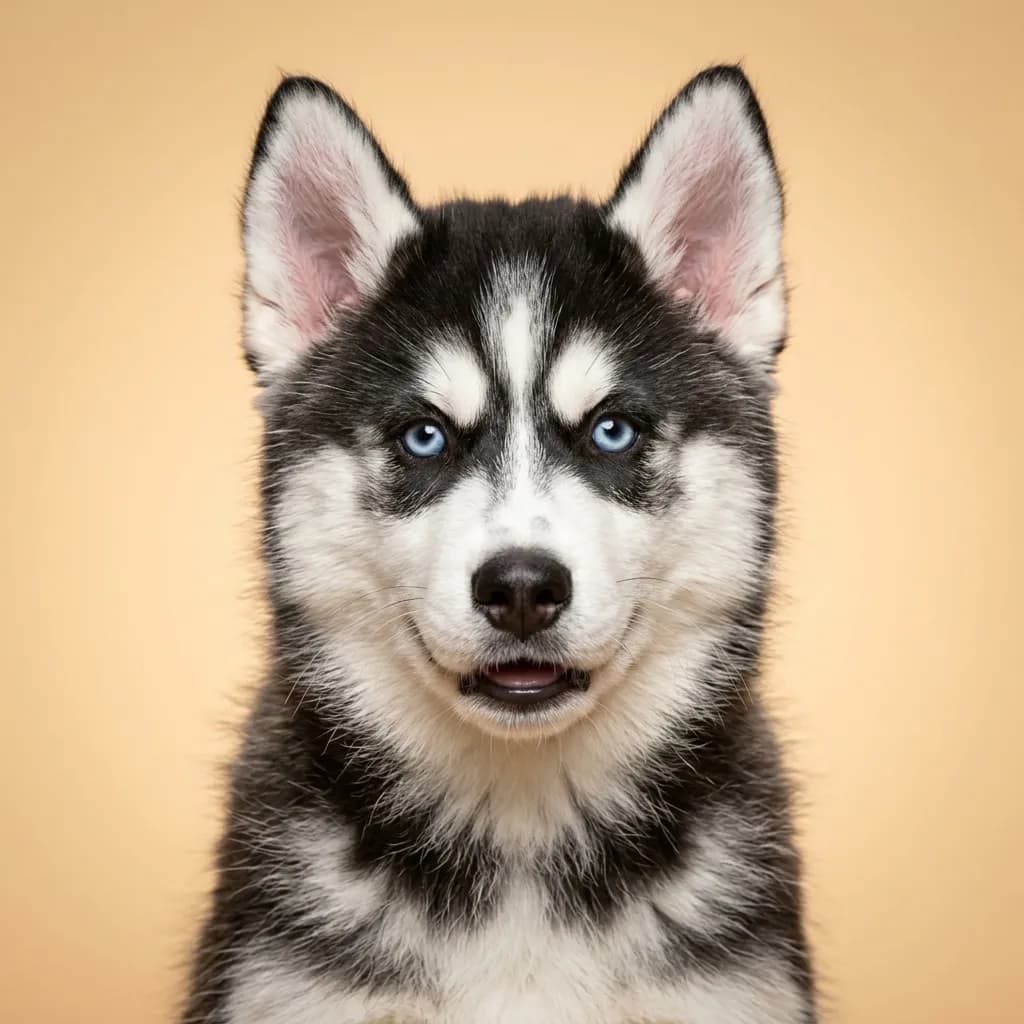
People compare Boston Terriers and Siberian Huskies because both are friendly, family-friendly dogs with striking looks. But that’s where the similarities end. Choosing between them isn’t really about preference. it’s about lifestyle. One will thrive in your city apartment, the other might drag you into the wilderness whether you’re ready or not. The Boston Terrier is your compact, big-personality buddy. He’ll nap on your lap, charm your neighbors, and make you laugh with his goofy antics. He’s easy to train, doesn’t shed much, and is great with kids. But don’t be fooled by his size. he’s a brachycephalic breed, and that pushed-in face can mean breathing trouble, especially in heat. If you live somewhere warm or want a dog for long jogs, he’ll struggle. And while he’s adaptable, he needs consistency and climate control. The Siberian Husky? He’s built for another world. Bred to run 100 miles a day in subzero temps, he’s got energy to burn and a mind that’s always plotting escape. You’ll need a fenced yard, daily runs or hikes, and the patience for seasonal shedding that looks like a snowstorm in May. He’s affectionate and great with kids, but he’s not a guard dog. he’ll greet strangers like long-lost friends and possibly lead them back to your house. Training takes serious consistency; he’s smart but independent. Here’s the real talk: Boston Terriers bond tightly and want to be with you, always. Huskies love you deeply but see themselves as partners, not followers. If you want a dog that fits neatly into your life, go Boston. If you’re ready for a dog that reshapes your life around adventure, cold weather, and twice-yearly fur explosions, the Husky’s your match.
Trait-by-trait
Higher bar = more of that trait. Shedding, barking, drooling, grooming flipped for readability.Where they diverge
Choose the Boston Terrier if…
- Apartments
- Families
- First-time owners
- You value watchdog / protective — Boston Terrier scores noticeably higher.
Choose the Siberian Husky if…
- Active owners who exercise daily
- Cold climate households
- Families with children
- You value barking level — Siberian Husky scores higher here.