Bouvier des Flandres vs Newfoundland
Side-by-side comparison across all 14 AKC trait ratings, with a clear verdict on which breed fits which kind of household.
Not sure which breed fits your life?
Answer five questions about your home, your schedule, and your tolerance for shedding. We’ll match you to your top three breeds from over 200.
Bouvier des Flandres vs Newfoundland
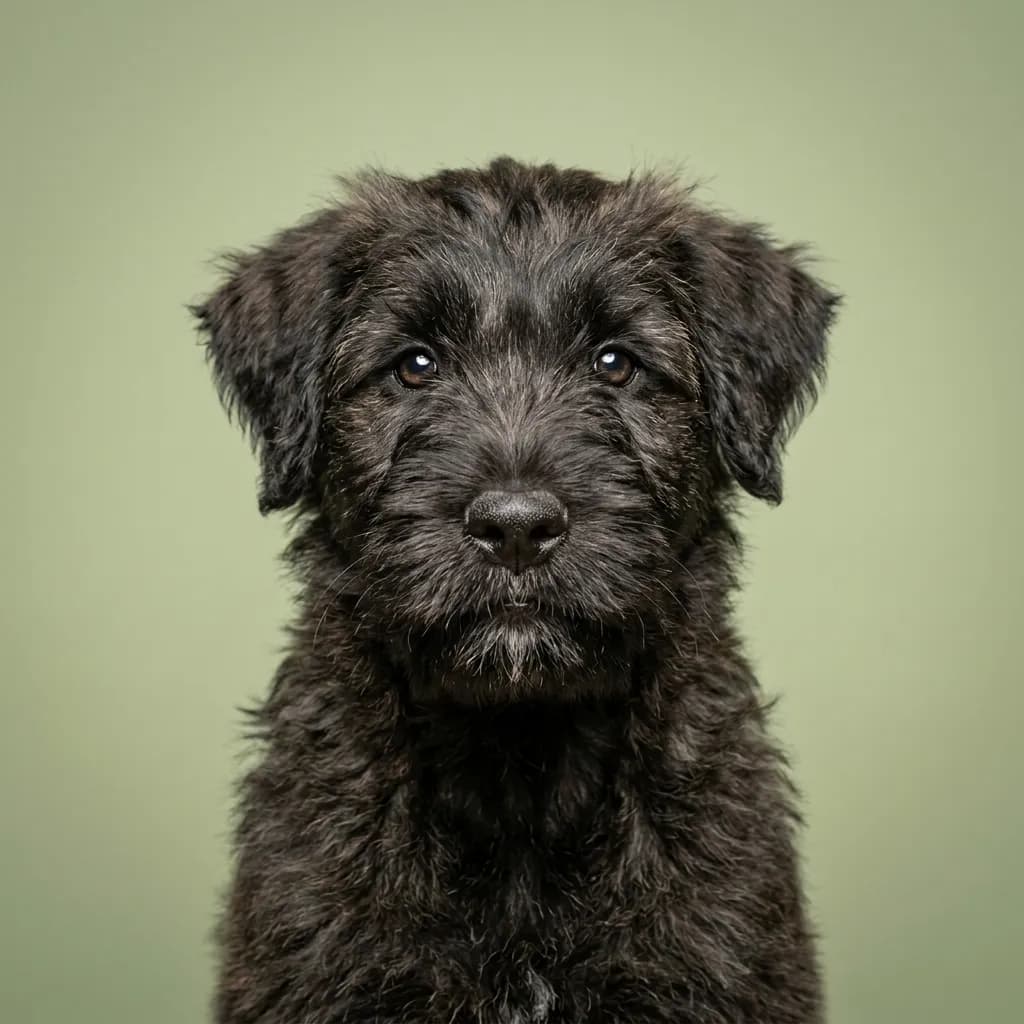
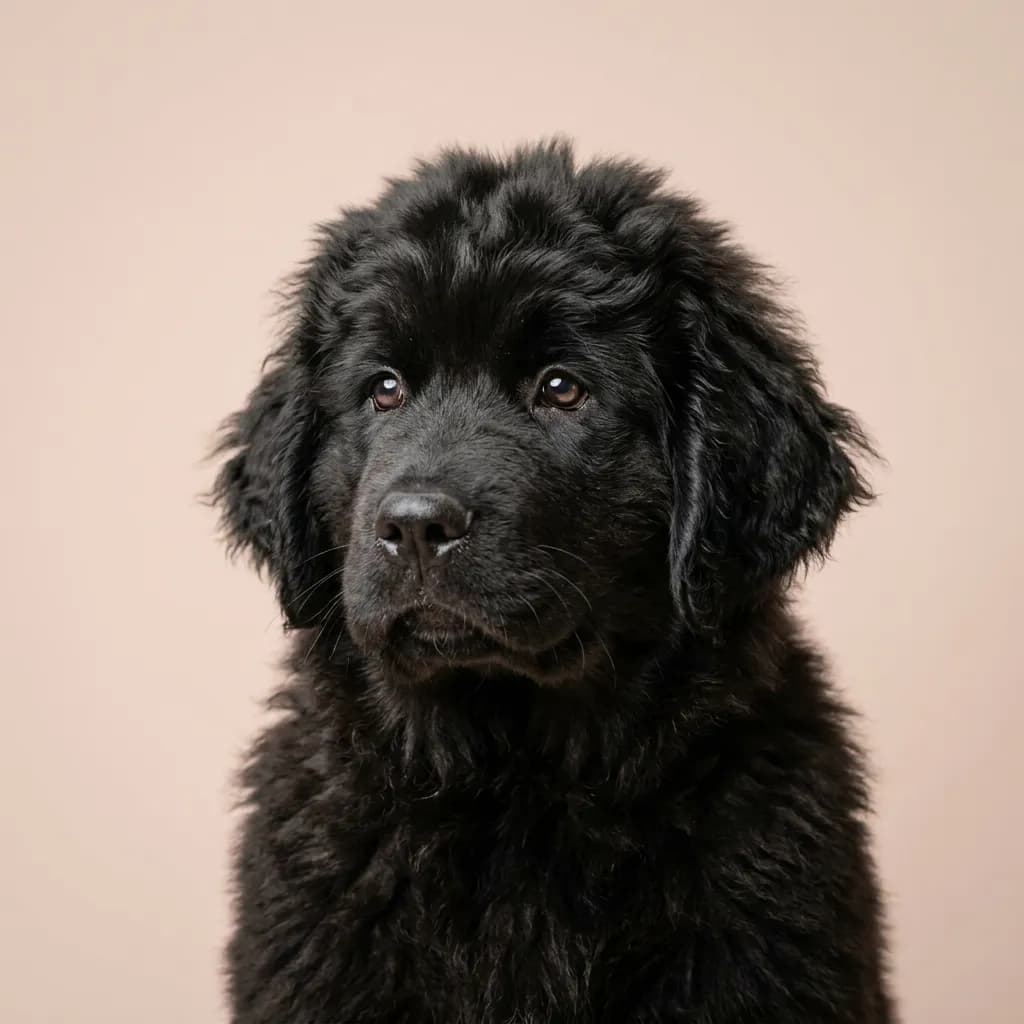
People compare Bouviers and Newfoundlands because they’re both big, bearded, and built for tough work in cold climates. At first glance, they look like cousins. rugged, shaggy, and substantial. But bring one home and you’ll quickly realize they’re very different animals with very different needs. The Bouvier is the intense partner-in-crime you adopt when you want a dog who’s always ready for a challenge. Think farmhand with opinions: smart, driven, and strong-willed. You’ll need time for training, daily exercise, and mental puzzles. They’re loyal to their people but reserved with strangers, and they won’t tolerate being left alone with nothing to do. This isn’t a couch potato breed. If you’re into dog sports, carting, or just have a big yard and an active lifestyle, the Bouvier thrives. The Newfoundland, meanwhile, is the gentle giant who melts when a child hugs him. Calm, patient, and deeply affectionate, Newfies are born rescuers. literally. They’re natural swimmers and will happily retrieve in lakes for hours. But they drool. A lot. And their coat sheds heavily, especially in spring. They’re also prone to bloat and heart issues, so feeding and monitoring matter. They adapt surprisingly well to suburban life. just don’t expect them to hike the Rockies with you. Here’s the real insight: the Bouvier needs a job, even if it’s just advanced obedience. The Newfoundland just wants to be near you, preferably with a wet towel nearby. Choose the Bouvier if you want a working partner. Choose the Newfoundland if you want a loving, soggy shadow.
Trait-by-trait
Higher bar = more of that trait. Shedding, barking, drooling, grooming flipped for readability.Where they diverge
Choose the Bouvier des Flandres if…
- Experienced owners
- Active people
- Working roles
- You value coat grooming — Bouvier des Flandres scores noticeably higher.
Choose the Newfoundland if…
- Families with children
- Water and outdoor enthusiasts
- Those wanting a gentle giant
- You value drooling level — Newfoundland scores higher here.