Bouvier des Flandres vs Pumi
Side-by-side comparison across all 14 AKC trait ratings, with a clear verdict on which breed fits which kind of household.

Not sure which breed fits your life?
Answer five questions about your home, your schedule, and your tolerance for shedding. We’ll match you to your top three breeds from over 200.
Bouvier des Flandres vs Pumi
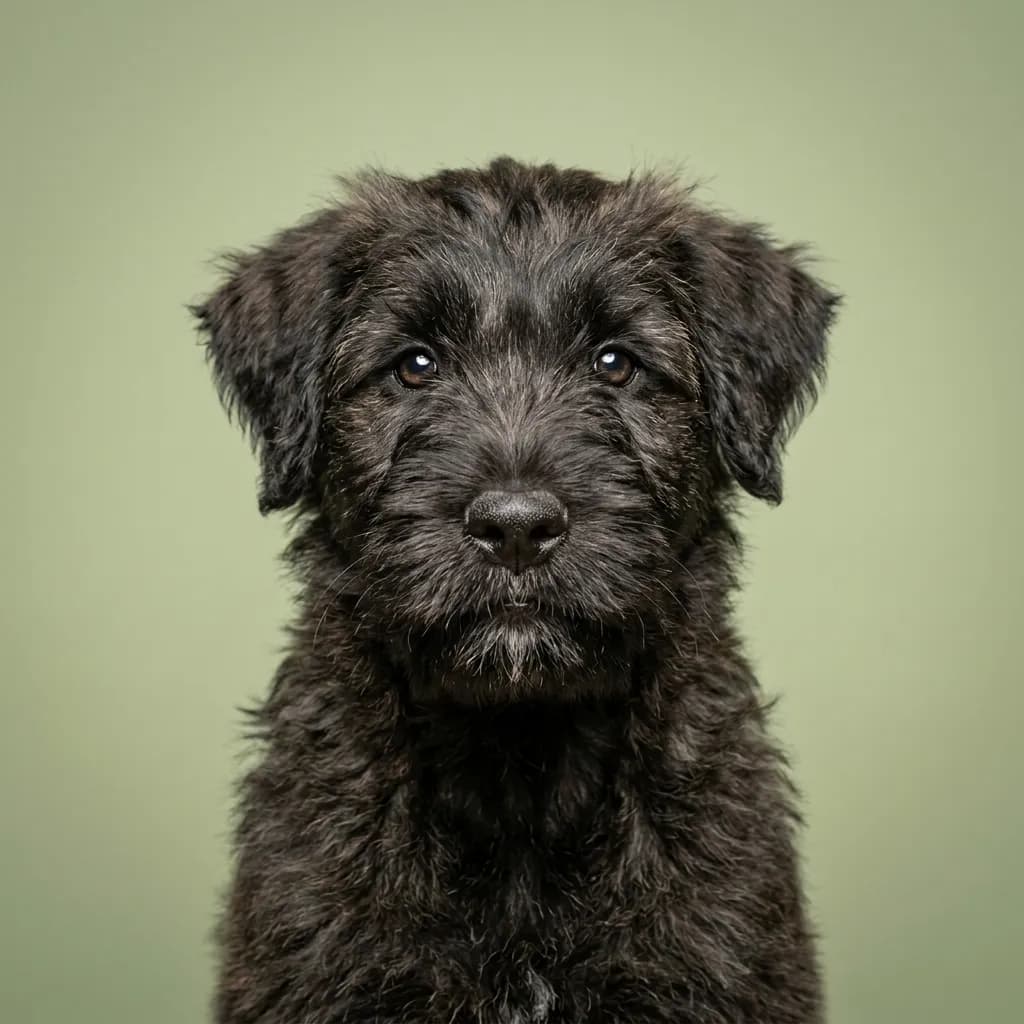
People compare Bouviers and Pumis because both are herding breeds with scruffy beards and serious work ethics, but that’s where the similarity ends. Think of them as distant cousins at a family reunion. one’s the burly, slow-to-warm farmer who lifts bales for fun, the other’s the wiry, high-voltage cousin doing parkour on the barn roof. You’re not choosing between two dogs so much as deciding what kind of energy you can live with. The Bouvier is a powerhouse. At 70 to 110 pounds, he’s built like a draft dog but moves with surprising elegance. He’s loyal, steady, and protective, but don’t mistake calm for lazy. He needs real work. long hikes, advanced obedience, carting. because his brain and body were made for purpose. He sheds moderately and needs grooming, but he’s not yappy. Still, he’s too big and strong for a first-time owner or a studio apartment. Then there’s the Pumi. This 25-pound whirlwind is all spring-loaded muscle and curiosity. With energy and trainability both maxed out, he’ll master agility, herding, or whatever challenge you give him. then ask for more. He bonds fiercely, almost velcro-like, and his curly coat sheds next to nothing. But here’s the real insight: the Pumi’s intensity isn’t just physical. He’s mentally relentless. You don’t just train a Pumi. You outthink him daily. If you’re not game for that, he’ll invent his own jobs. like barking at shadows or herding your toddlers into corners. Choose the Bouvier if you want a dignified, rugged companion who pulls his weight. Pick the Pumi if you thrive on a partnership that feels like a constant mental sparring match. Both demand experience. But only one will leave you breathless just trying to keep up.
Trait-by-trait
Higher bar = more of that trait. Shedding, barking, drooling, grooming flipped for readability.Where they diverge
Choose the Bouvier des Flandres if…
- Experienced owners
- Active people
- Working roles
- You value shedding level — Bouvier des Flandres scores noticeably higher.
Choose the Pumi if…
- Active owners
- Dog sports enthusiasts
- Experienced herding breed owners
- You value affectionate w/ family — Pumi scores higher here.