Boxer vs Great Pyrenees
Side-by-side comparison across all 14 AKC trait ratings, with a clear verdict on which breed fits which kind of household.
Not sure which breed fits your life?
Answer five questions about your home, your schedule, and your tolerance for shedding. We’ll match you to your top three breeds from over 200.
Boxer vs Great Pyrenees
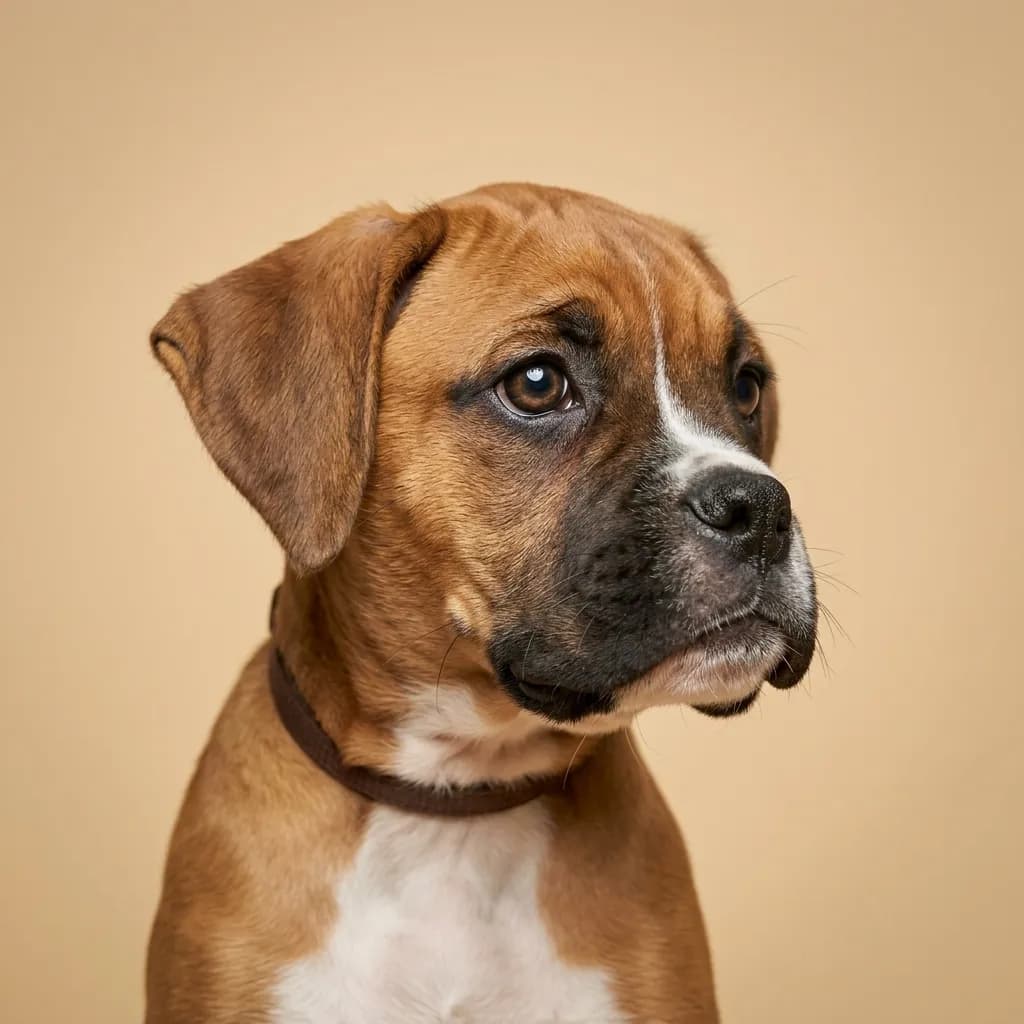
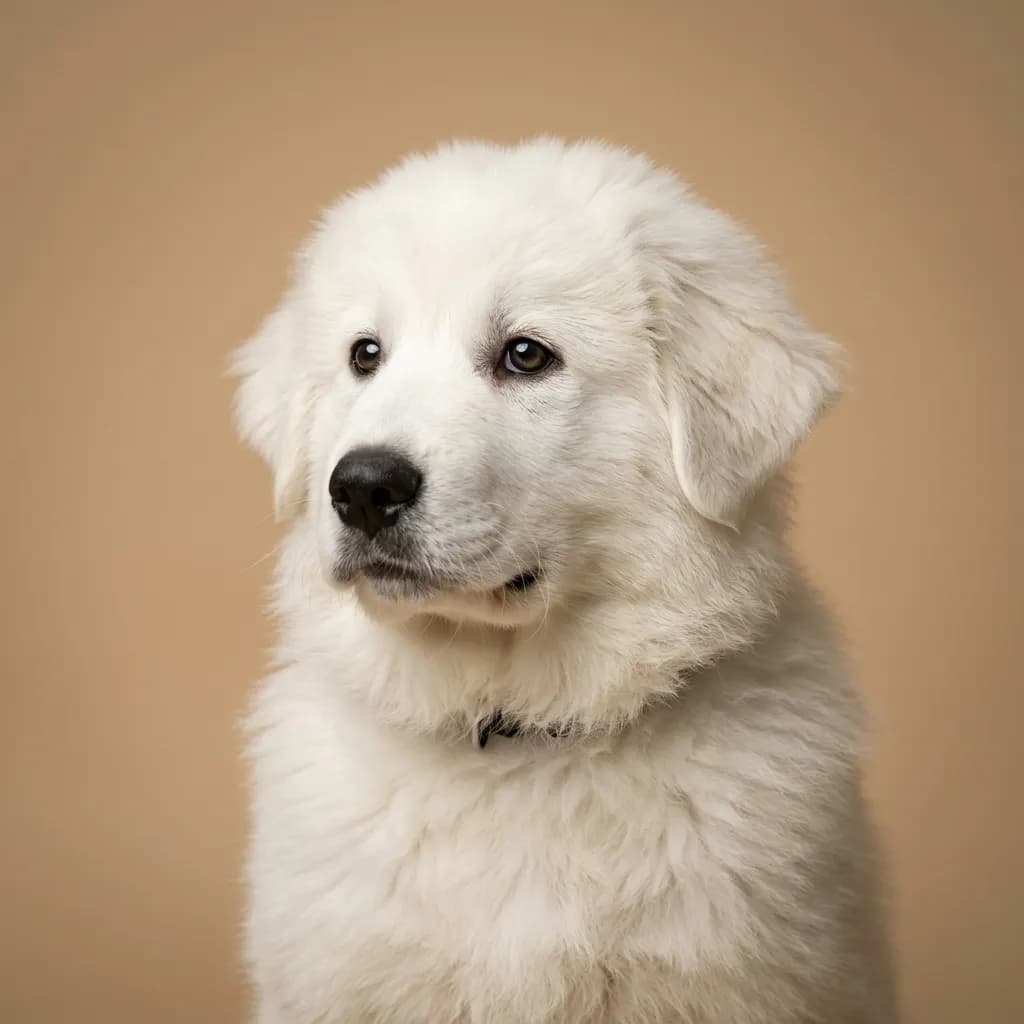
People compare Boxers and Great Pyrenees because they’re both big, loyal, family-friendly dogs with a protective streak. On paper, they’re both working breeds that love their people. But in your living room, your yard, or on a walk, they feel like entirely different species. A Boxer is your energetic, goofy shadow. At 70 pounds of muscle and motion, it’s a dog that wants to run, play, train, and be involved in everything. It’s bright and eager, picking up commands fast, but it won’t calm down just because you say "settle." They’re great with kids, yes, but that exuberant tail and jumping habit can knock over a toddler if you’re not on guard. They thrive in suburban homes with active owners who don’t mind a dog that needs daily mental and physical input. Watch the heat though. being brachycephalic, they can’t handle hot weather and might struggle to breathe on a summer walk. The Great Pyrenees is the polar opposite in energy. At 90+ pounds of fluff, it moves like it’s got all the time in the world. Originally guarding sheep in mountain passes, it’s calm, independent, and makes decisions on its own. sometimes ignoring you completely. That independence makes training slower and recall nearly impossible off-leash. They’re affectionate in their dignified way, but not clingy. And that thick double coat? It sheds constantly and demands brushing, especially in spring. They’re built for cold climates and wide spaces, not city sidewalks. Here’s the real difference: Boxers need you to lead them. Great Pyrenees will tolerate you as long as you respect their autonomy. If you want a dog that’s always engaged and responsive, go Boxer. If you want a serene, majestic guardian for a rural property, the Pyrenees fits. Just know this. no amount of training will convince a Pyrenees that it needs to come when called. It was bred to work alone at night, and that instinct won’t switch off.
Trait-by-trait
Higher bar = more of that trait. Shedding, barking, drooling, grooming flipped for readability.Where they diverge
Choose the Boxer if…
- Families
- Active people
- Experienced owners
- You value good with young children — Boxer scores noticeably higher.
Choose the Great Pyrenees if…
- Livestock guardians
- Rural or farm living
- Families with children
- You value affectionate w/ family — Great Pyrenees scores higher here.