Briard vs Pudelpointer
Side-by-side comparison across all 14 AKC trait ratings, with a clear verdict on which breed fits which kind of household.

Not sure which breed fits your life?
Answer five questions about your home, your schedule, and your tolerance for shedding. We’ll match you to your top three breeds from over 200.
Briard vs Pudelpointer
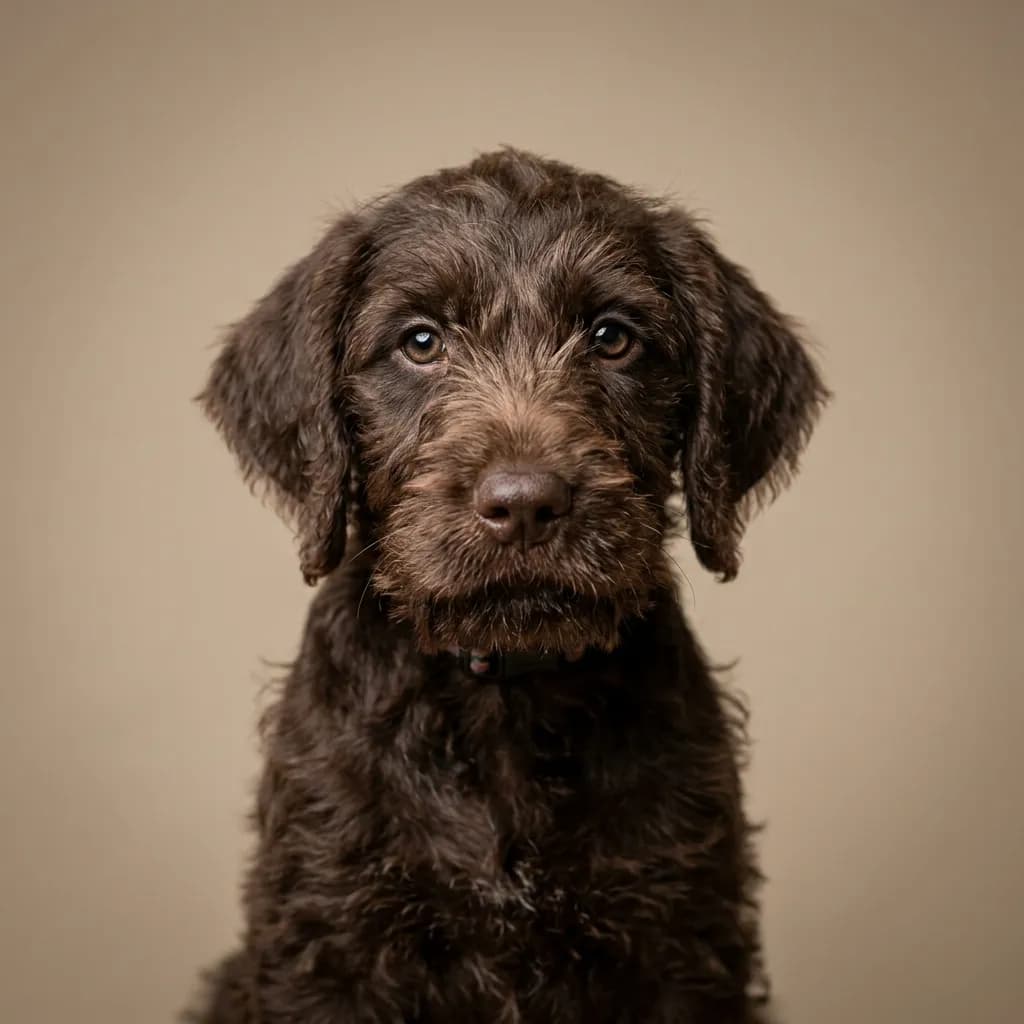
You don’t see Briards and Pudelpointers side by side at the dog park. these breeds come from different worlds, but people compare them when they’re looking for a smart, active dog that’s more than just a pet. Maybe they want a working companion, someone loyal but capable, and they’re willing to put in the work. That’s where the real differences kick in. The Briard is a thinker with a dramatic coat and a guarded heart. He’s deeply loyal, yes, but he’s not handing out affection freely. He was bred to make independent decisions all day on rugged French pastures, and that confidence means he’ll test you if you’re not consistent. Grooming is a non-negotiable weekly ritual. skimp on it and you’ll have a matted mess in months. He’s quieter than most herders, but he needs space and purpose. First-time owners often get in over their heads. The Pudelpointer? He’s the athlete in the family. A blend of Poodle and pointing dog, bred to hunt in water and field with equal drive. He lives to please, learns fast, and thrives when he’s working. whether that’s retrieving ducks or hiking 10 miles. He’s more adaptable than the Briard, fits better in a rural home with acreage, and his low-maintenance coat won’t trap you in a grooming marathon. But don’t be fooled. he needs constant physical and mental fuel. A bored Pudelpointer will redecorate your fence with his teeth. Here’s the real talk: if you want a dog that forms a deep, almost stoic bond and can be a home guardian, the Briard might steal your heart. But if you’re active, love the outdoors, and want a dog that’s eager, bouncy, and always ready for the next adventure, the Pudelpointer is your partner. Choose the Briard for loyalty with boundaries. Choose the Pudelpointer for a dog who wants to do everything. with you.
Trait-by-trait
Higher bar = more of that trait. Shedding, barking, drooling, grooming flipped for readability.Where they diverge
Choose the Briard if…
- Active families
- Experienced dog owners
- Homes with a yard
- You value coat grooming — Briard scores noticeably higher.
Choose the Pudelpointer if…
- hunters
- very active owners
- waterfowl and upland bird hunters
- You value shedding level — Pudelpointer scores higher here.