Brittany vs Siberian Husky
Side-by-side comparison across all 14 AKC trait ratings, with a clear verdict on which breed fits which kind of household.

Not sure which breed fits your life?
Answer five questions about your home, your schedule, and your tolerance for shedding. We’ll match you to your top three breeds from over 200.
Brittany vs Siberian Husky
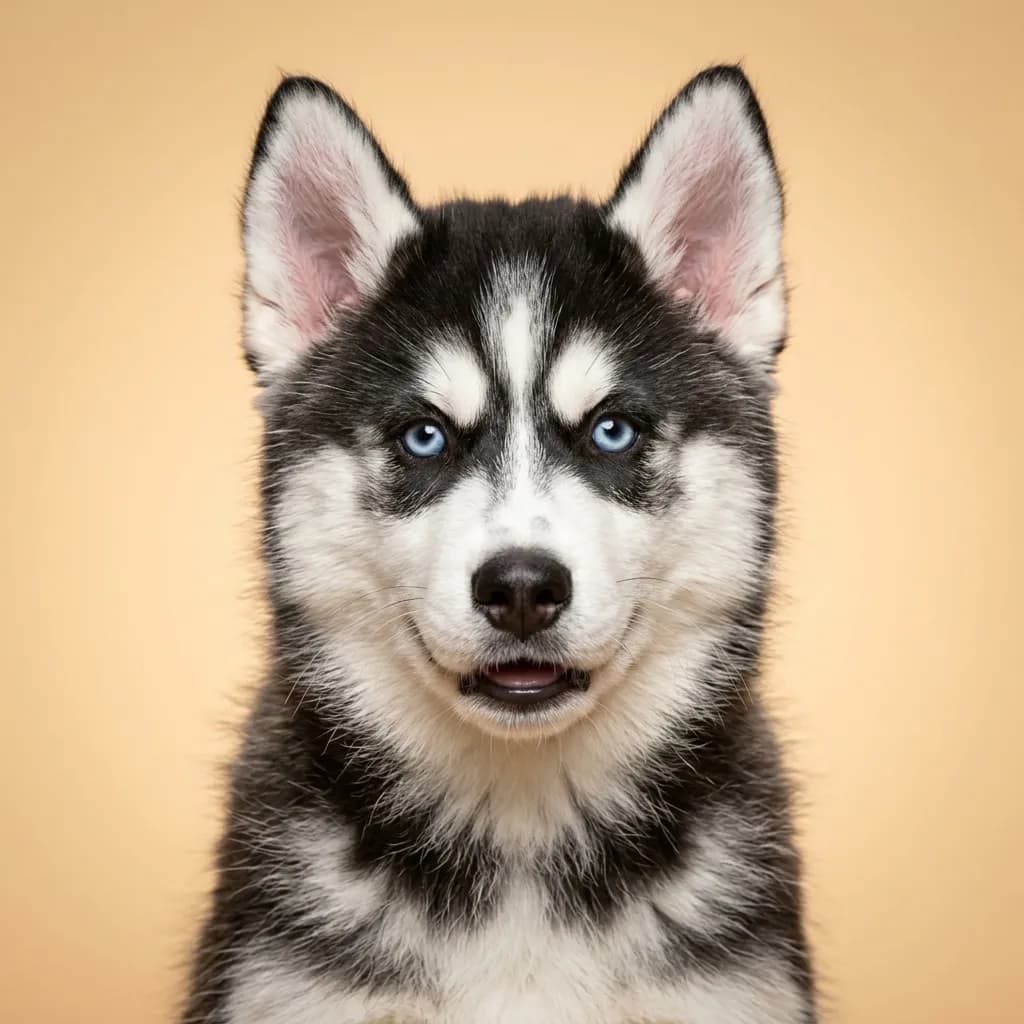
People compare Brittanys and Siberian Huskies because both are high-energy, medium-to-large dogs that thrive on activity and seem to smile with their whole bodies. But that’s where the similarities end. Think of it this way: a Brittany is your enthusiastic trail partner who’ll point a pheasant and then nap at your feet after dinner. A Husky is your escape artist roommate who’ll drag you into an adventure. whether you planned it or not. Brittanys are built for purpose. They’re lighter, quicker, and deeply attuned to their handlers. If you’re into bird hunting, trail running, or just want a dog that learns a new trick in five minutes, this is your breed. They’re eager to please, train like a dream, and bond closely with their people. But don’t be fooled by their manageable size. they need real work. A Brittany without a job is a dog that’ll chew your hiking boots out of sheer boredom. Huskies, on the other hand, are built for endurance and independence. They were born to pull through snowstorms, not follow commands in a field trial. That means they’re tougher to train, more prone to ignoring you when something’s more interesting, and absolutely will bolt if not contained. They’re also far bigger shedders. double-coated for Arctic winters. and vocal in ways you can’t always predict. But their affection runs deep, and they’re famously good with kids, thriving in active, cold-weather homes. Here’s the real talk: a Brittany will try to match your life. A Husky will demand you adapt to theirs. If you want partnership, pick the Brittany. If you want a wild-hearted companion who keeps life unpredictable, go Husky. Just make sure your fence is six feet and buried two feet down.
Trait-by-trait
Higher bar = more of that trait. Shedding, barking, drooling, grooming flipped for readability.Where they diverge
Choose the Brittany if…
- Active families
- Hunters
- Runners and hikers
- You value watchdog / protective — Brittany scores noticeably higher.
Choose the Siberian Husky if…
- Active owners who exercise daily
- Cold climate households
- Families with children
- You value affectionate w/ family — Siberian Husky scores higher here.