Broholmer vs Greater Swiss Mountain Dog
Side-by-side comparison across all 14 AKC trait ratings, with a clear verdict on which breed fits which kind of household.
Not sure which breed fits your life?
Answer five questions about your home, your schedule, and your tolerance for shedding. We’ll match you to your top three breeds from over 200.
Broholmer vs Greater Swiss Mountain Dog
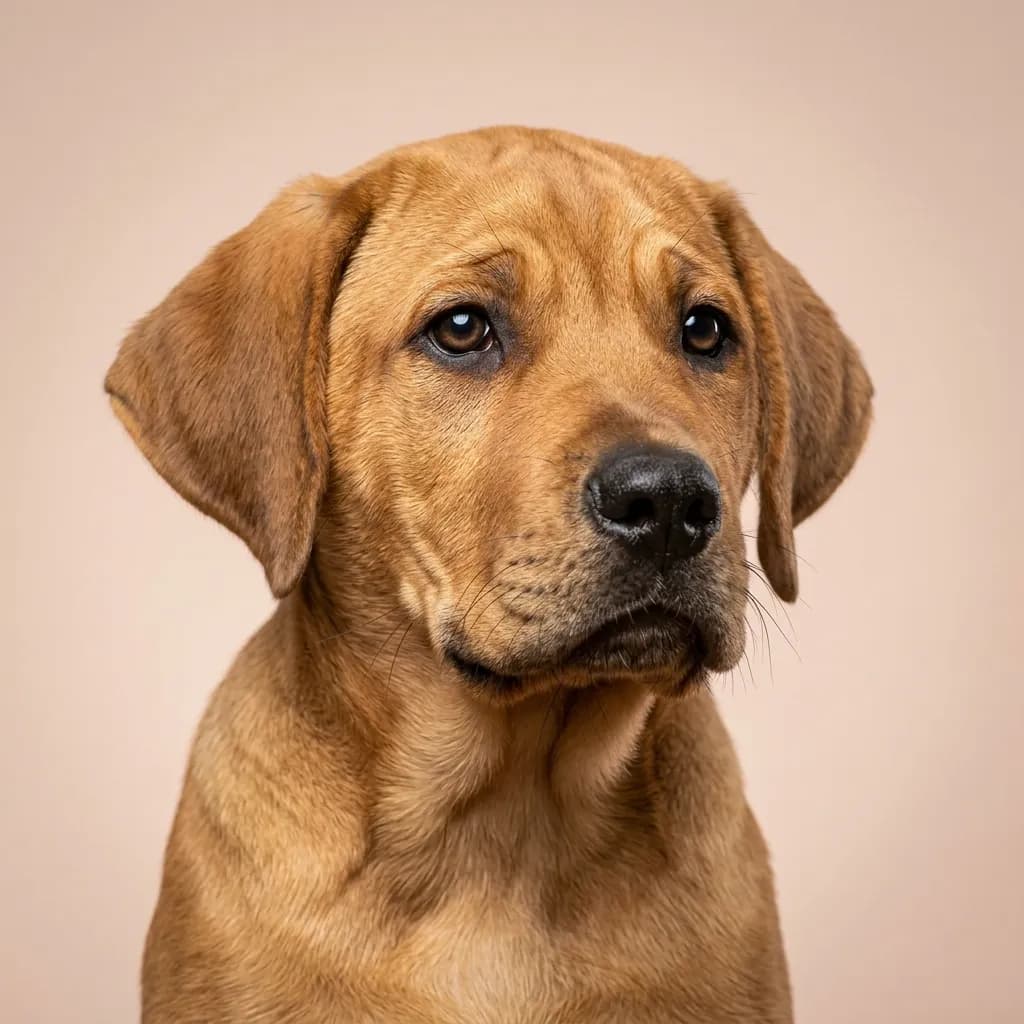
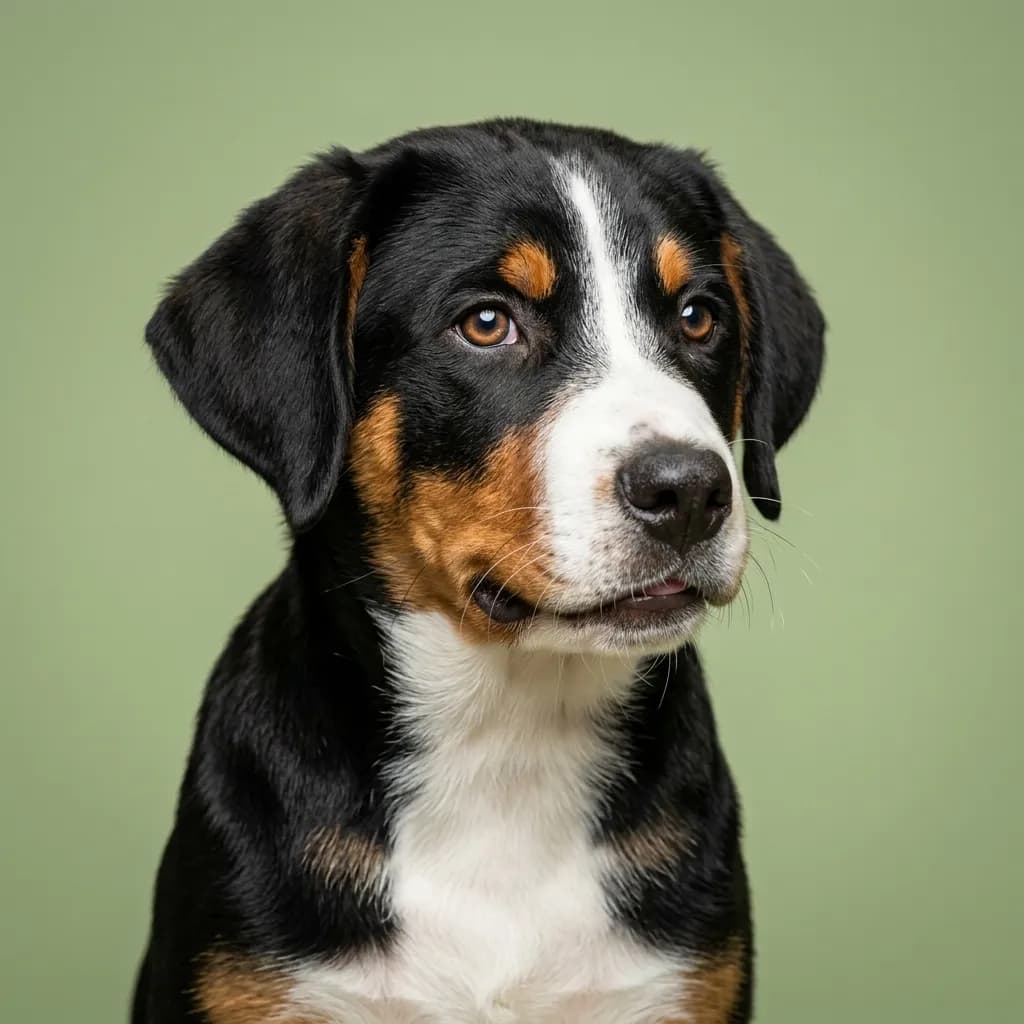
People compare Broholmers and Greater Swiss Mountain Dogs because they’re both massive, gentle-faced giants with coats that look like they belong on a dairy ad. They’re rare, they drool a little, and they turn heads walking down the street. But behind that barnyard charm, they’re built for different rhythms of life. The Broholmer is the quiet estate guardian. Think of a 120-pound couch with a heartbeat. He’s calm, low-energy, and watches the world with a patient, almost regal focus. He won’t beg for playtime, but he will lean into your leg during movie night. He’s better suited for someone who wants a loyal, low-talk presence and has the space and experience to handle a giant breed. Training isn’t his strong suit, and he won’t thrive in a tiny apartment or with first-time owners. The Swissy? He’s the cheerful farmhand who never clocked out. Bred to pull carts and move cattle, he’s got a spring in his step even at 110 pounds. He’s eager to please, more vocal, and needs real daily activity. hikes, carting, or structured play. He bonds fiercely with kids, but he’ll also demand mental engagement. Leave him bored, and he might redecorate your porch out of frustration. Here’s the real talk: both are short-lived, averaging under 10 years, and both cost a kidney upfront and in vet bills. But the Broholmer is a slow, steady companion for a settled home. The Swissy is a working partner who wants to be part of your action. Pick the Broholmer if you want a calm protector. Pick the Swissy if you want a joyful, active co-pilot. One’s a sentinel. The other’s a teammate.
Trait-by-trait
Higher bar = more of that trait. Shedding, barking, drooling, grooming flipped for readability.Where they diverge
Choose the Broholmer if…
- experienced large-breed owners
- families with children
- homes with large yards
Choose the Greater Swiss Mountain Dog if…
- Active families
- Draft and carting sports
- Rural or suburban living
- You value good with young children — Greater Swiss Mountain Dog scores higher here.