Broholmer vs Siberian Husky
Side-by-side comparison across all 14 AKC trait ratings, with a clear verdict on which breed fits which kind of household.

Not sure which breed fits your life?
Answer five questions about your home, your schedule, and your tolerance for shedding. We’ll match you to your top three breeds from over 200.
Broholmer vs Siberian Husky
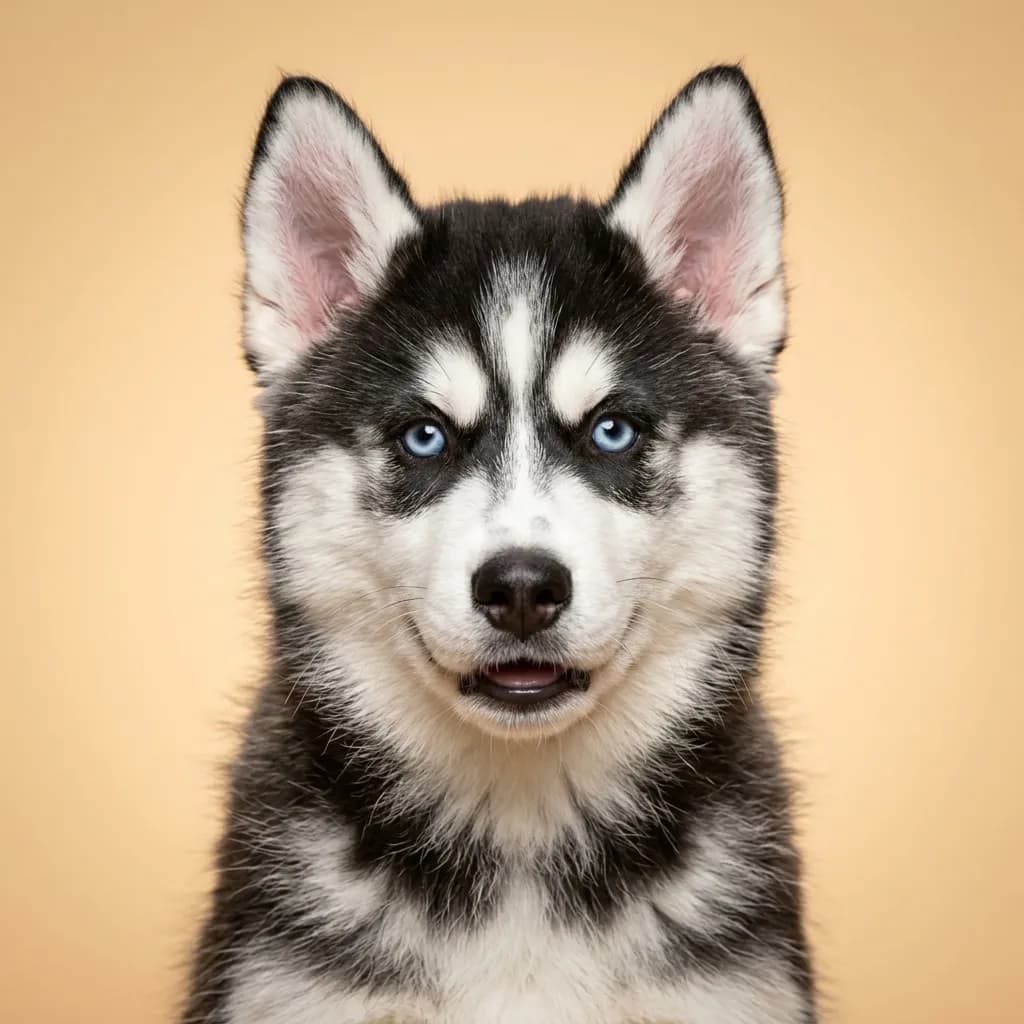
You’re probably comparing a Broholmer and a Siberian Husky because you want a dog that feels substantial. either in presence or in spirit. One’s a rare, towering guardian from Denmark; the other’s a wolf-faced athlete built for running across frozen tundra. They couldn’t be more different in what they actually need from you. The Broholmer is a gentle giant at 150 pounds of calm, watchful love. He’s not going to bark much, but he will take up half your couch. You need space. real space. to live with one. This isn’t a dog you wing with. He’s affectionate and good with kids, but his size alone demands experience. You’ll pay more upfront, yes, but you’re also signing up for potential vet bills down the line with hip dysplasia and bloat. He’s happiest as a calm estate sentinel, not a trail partner. The Siberian Husky? He’s built to move. At 60 pounds, he’s half the size but twice the energy. You’ll need daily runs, mental puzzles, and a secure yard. or he’ll find his own adventure. He’s vocal, he sheds like a snowstorm in spring, and he’ll charm every kid in the neighborhood. But don’t expect obedience. He’s independent by design, bred to make decisions 50 miles from human help. He thrives in cold weather; in heat, he’ll struggle. Here’s the real truth: the Broholmer needs a home with room to exist quietly. The Husky needs a job and a rhythm of movement. Pick the Broholmer if you want a loyal, low-key companion who looks impressive doing nothing. Pick the Husky if your life moves fast and you don’t mind a little chaos in exchange for spirit and stamina. One guards your property, the other your sense of adventure.
Trait-by-trait
Higher bar = more of that trait. Shedding, barking, drooling, grooming flipped for readability.Where they diverge
Choose the Broholmer if…
- experienced large-breed owners
- families with children
- homes with large yards
- You value watchdog / protective — Broholmer scores noticeably higher.
Choose the Siberian Husky if…
- Active owners who exercise daily
- Cold climate households
- Families with children
- You value barking level — Siberian Husky scores higher here.