Brussels Griffon vs Siberian Husky
Side-by-side comparison across all 14 AKC trait ratings, with a clear verdict on which breed fits which kind of household.

Not sure which breed fits your life?
Answer five questions about your home, your schedule, and your tolerance for shedding. We’ll match you to your top three breeds from over 200.
Brussels Griffon vs Siberian Husky
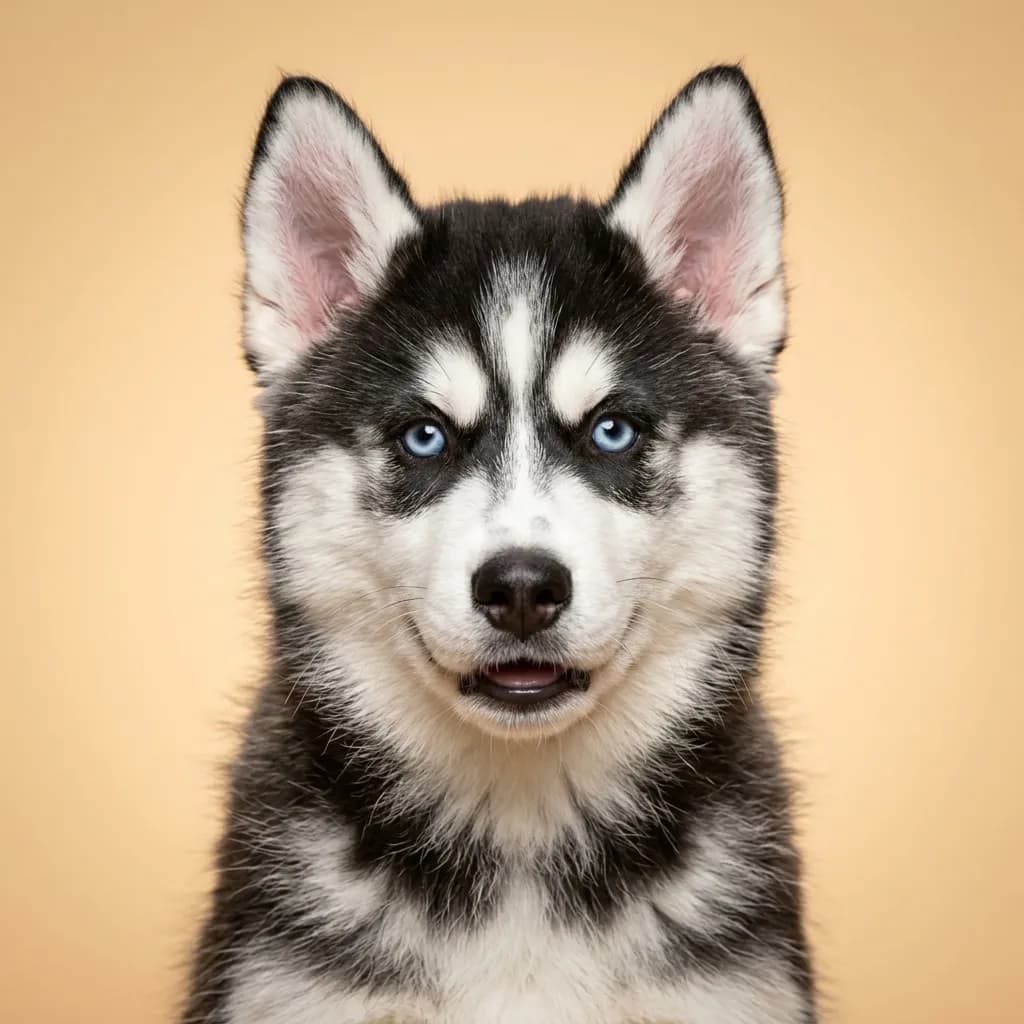
People compare the Brussels Griffon and the Siberian Husky when they’re torn between a dog that fits in their pocket and one that feels like a wolf in their living room. On paper, they share loyalty and charm, but that’s where the similarity ends. One was born in Belgian stables to hunt rats and charm nobility. The other was bred by the Chukchi people to pull sleds across frozen tundra in -50-degree weather. You’re not just choosing size. you’re choosing a lifestyle. If you live in a studio apartment, work irregular hours, and want a dog that curls up on your lap after a quick walk around the block, the Griffon might be your soulmate. They’re alert, opinionated little comedians who bond deeply with one or two people. But they don’t do well with toddlers. those tiny bodies aren’t built for rough play. and their brachycephalic faces mean heat and overexertion can knock them out fast. The Husky? That dog will knock you out. emotionally, physically, and possibly off your porch. They need space, cold weather, and at least two hours of hard exercise a day. Without it, they’ll redecorate your yard and howl the neighborhood into a lawsuit. But with kids? They’re golden. Patient, playful, and built like furry tanks. Here’s the thing no breeder will tell you: the Griffon acts like a big dog in a tiny body, while the Husky acts like a wolf pup in a dog’s body. One will follow you to the bathroom and bark at the toaster. The other will ignore you completely if a squirrel moves three blocks away. Pick based on who you are today. not who you think you’ll become.
Trait-by-trait
Higher bar = more of that trait. Shedding, barking, drooling, grooming flipped for readability.Where they diverge
Choose the Brussels Griffon if…
- Singles and couples
- Apartment living
- Retirees
- You value watchdog / protective — Brussels Griffon scores noticeably higher.
Choose the Siberian Husky if…
- Active owners who exercise daily
- Cold climate households
- Families with children
- You value good with young children — Siberian Husky scores higher here.