Bull Terrier vs Havanese
Side-by-side comparison across all 14 AKC trait ratings, with a clear verdict on which breed fits which kind of household.
Not sure which breed fits your life?
Answer five questions about your home, your schedule, and your tolerance for shedding. We’ll match you to your top three breeds from over 200.
Bull Terrier vs Havanese
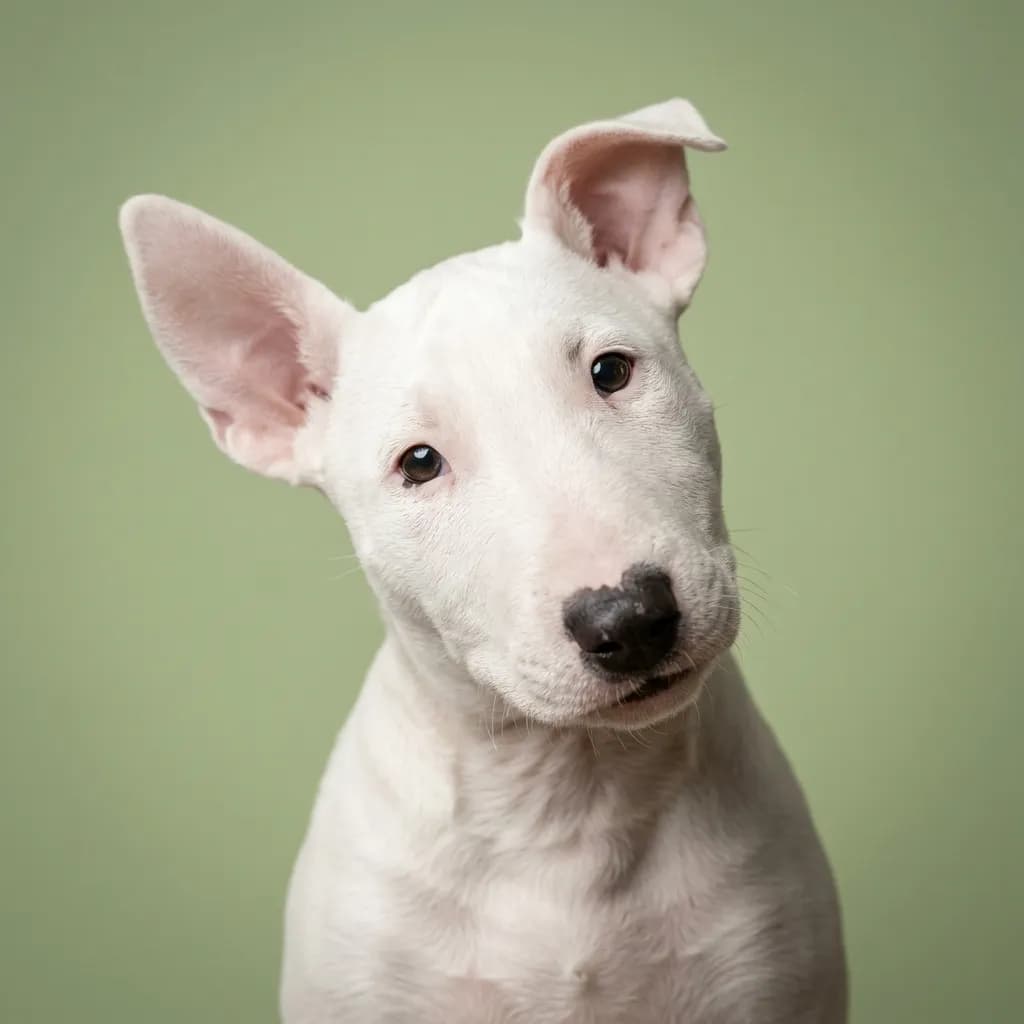
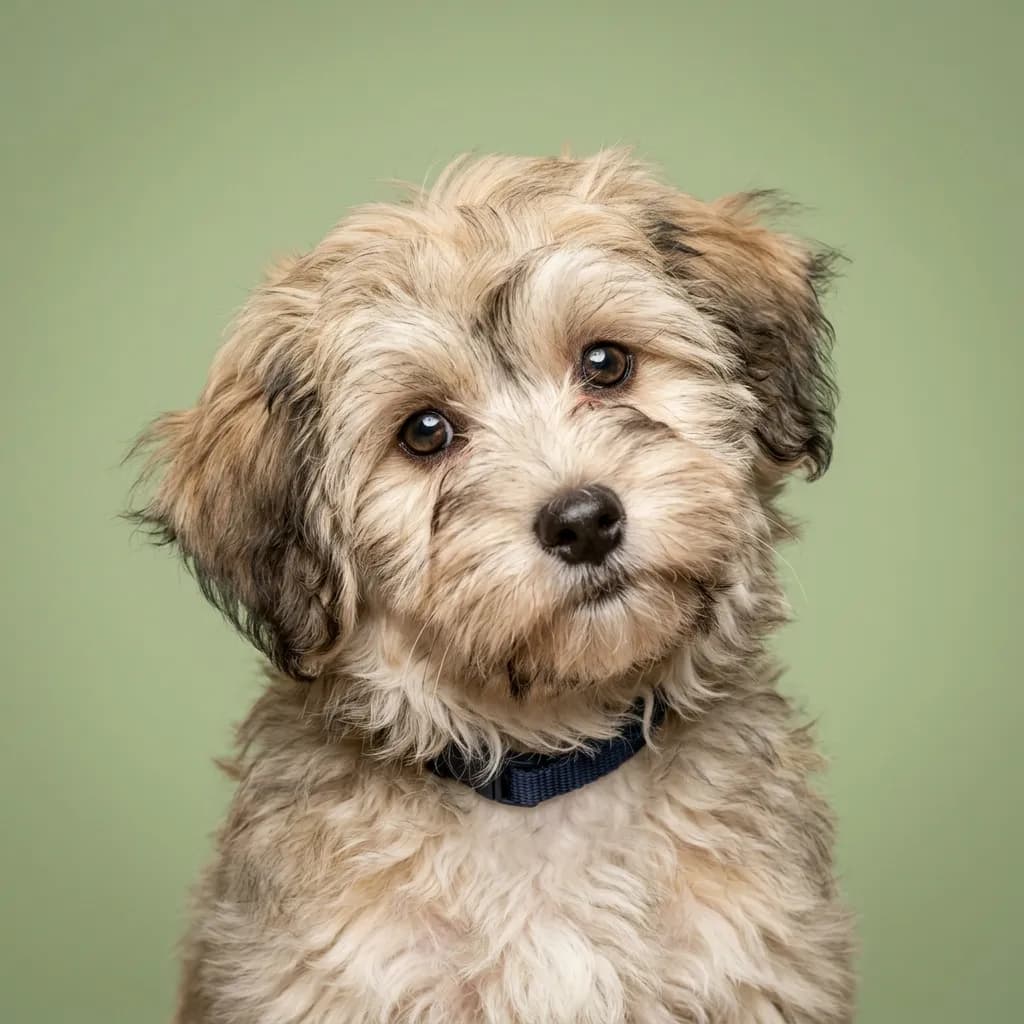
People compare Bull Terriers and Havanese because they’re both outgoing charmers that thrive on human connection, but that’s where the similarities end. One looks like a bowling ball with legs, the other like a fluffy cloud with a wagging tail. If you’re torn between them, you’re really asking: do I want a full-throttle companion or a portable cuddler? The Bull Terrier is a project. At 50 to 70 pounds of coiled energy, this dog needs structure, consistent training, and daily challenges. They’re mischievous, clever, and stubborn. not the kind of dog that’ll listen the first time unless you’ve built serious rapport. Great with older kids who can match their playfulness, but their size and prey drive mean they’re a hard pass if you have rabbits, cats, or a studio apartment. They’re affectionate, but on their terms. You’ll spend time managing their barking, shedding, and tendency to chew your coffee table if left alone too long. The Havanese is the ultimate people pleaser. At under 13 pounds, they fit in a tote bag but come with a big-dog personality. They’re eager to learn, love everyone, and adapt to city living like pros. But don’t be fooled by their size. they’re vocal, prone to barking at doorbells, shadows, and passing bikes, and they hate being alone. Leave them for eight hours and you’ll come home to a puddle of anxiety and possibly a shredded slipper. Here’s the real talk: the Bull Terrier will test your patience and make you laugh in the same breath. The Havanese will shadow you like a tiny, fluffy therapist. Pick the Bull Terrier if you want a bold, goofy partner in adventure. Pick the Havanese if you want a loyal, affectionate lapdog who’ll remind you constantly that you’re the center of their world.
Trait-by-trait
Higher bar = more of that trait. Shedding, barking, drooling, grooming flipped for readability.Where they diverge
Choose the Bull Terrier if…
- Active individuals
- Experienced dog owners
- Families with older children
- You value shedding level — Bull Terrier scores noticeably higher.
Choose the Havanese if…
- Apartment dwellers
- Seniors
- Families with children
- You value good with other dogs — Havanese scores higher here.