Bull Terrier vs Papillon
Side-by-side comparison across all 14 AKC trait ratings, with a clear verdict on which breed fits which kind of household.
Not sure which breed fits your life?
Answer five questions about your home, your schedule, and your tolerance for shedding. We’ll match you to your top three breeds from over 200.
Bull Terrier vs Papillon
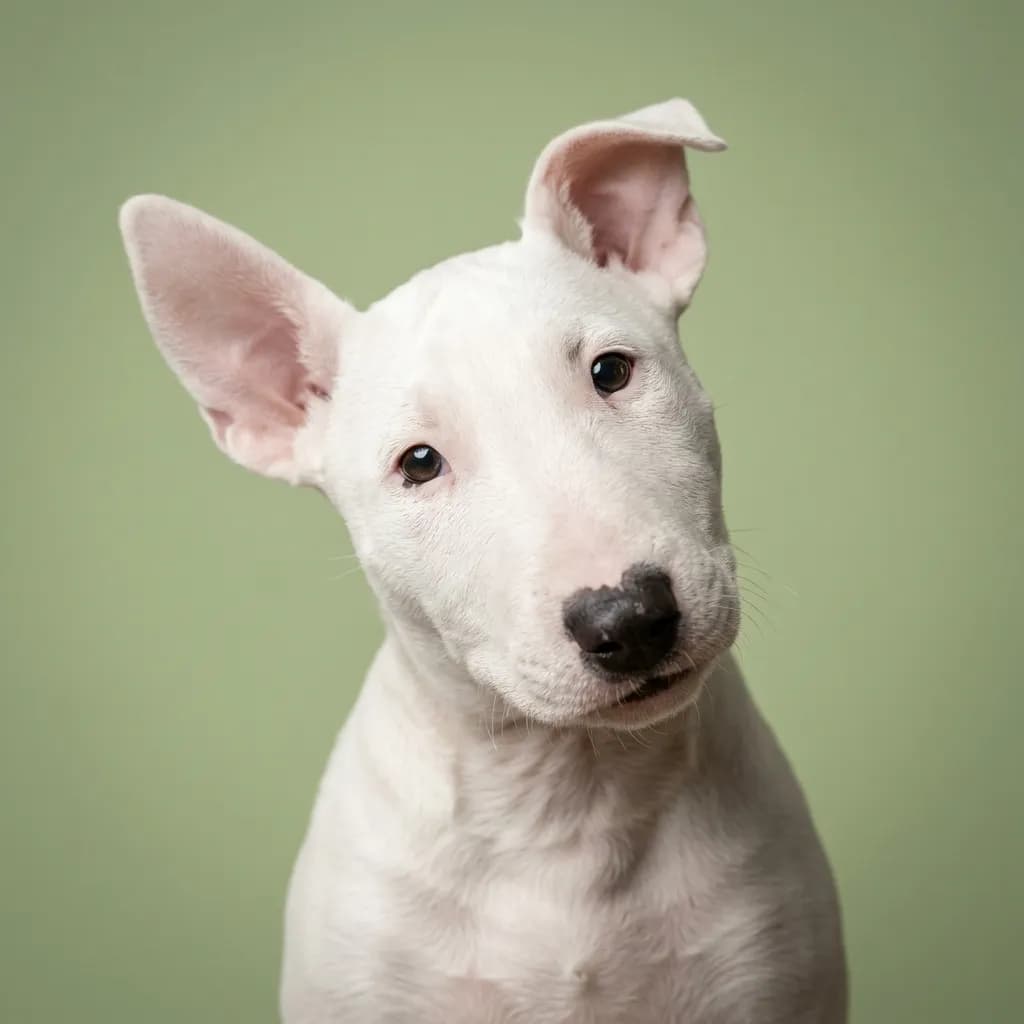
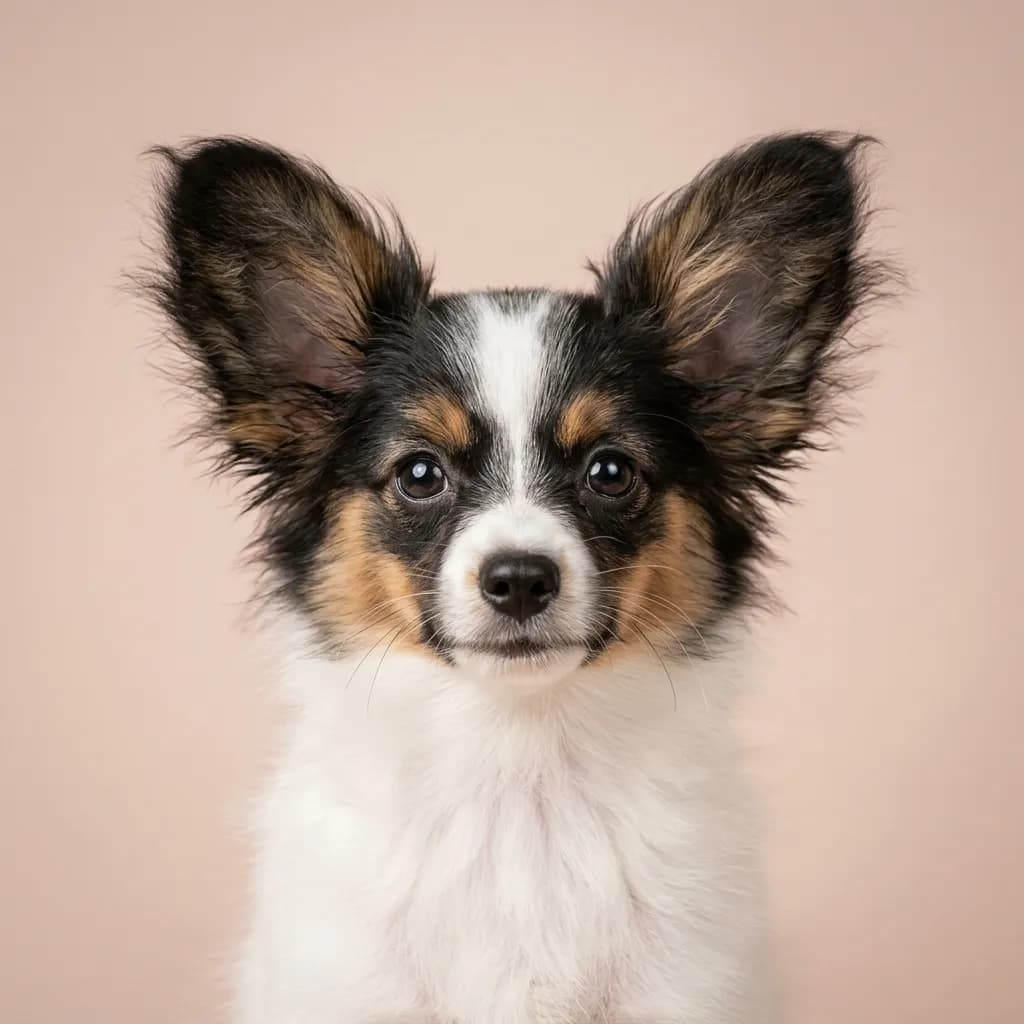
People compare Bull Terriers and Papillons because both are energetic, expressive dogs with big personalities packed into very different frames. But that’s where the similarities end. One’s a cartoonish tank with a bowling ball head, the other a delicate butterfly-eared sprite who fits in a tote bag. Choosing between them isn’t just preference, it’s lifestyle math. The Bull Terrier is a full-contact companion. At 50 to 70 pounds, it’s built like a linebacker with a permanent grin and a stubborn streak. It thrives on mental challenges and physical space, needs consistent training, and won’t back down from a challenge. especially around smaller animals. It’s affectionate, yes, but on its own terms. You’ll need a yard, time for obedience work, and thick skin for the occasional chewed-up shoe. Health-wise, white Bull Terriers carry a real risk of deafness, so ask for BAER testing. The Papillon, meanwhile, is a pocket-sized dynamo. Weighing just 5 to 10 pounds, it’s fearless, hyper-attentive, and incredibly smart. These dogs excel in agility, learn tricks in minutes, and bond tightly with their people. But they’re not couch potatoes. They’re alert, they bark at everything, and they need activity. just in smaller doses and spaces. Perfect for apartments, but not ideal if you want silence or a dog that can handle toddler chaos. Here’s the real talk: the Bull Terrier demands respect and experience. It’s not for first-timers. The Papillon is easier to train but harder to quiet. If you want a dog that turns heads and keeps you on your toes, go Bull Terrier. If you want a portable, brilliant little shadow who’ll master every command but sound the alarm at a falling leaf, the Papillon’s your match. One’s a project with love, the other’s a companion with a megaphone. Know which you can handle.
Trait-by-trait
Higher bar = more of that trait. Shedding, barking, drooling, grooming flipped for readability.Where they diverge
Choose the Bull Terrier if…
- Active individuals
- Experienced dog owners
- Families with older children
Choose the Papillon if…
- Apartment living
- Active owners
- Families with older children
- You value good with young children — Papillon scores higher here.