Bull Terrier vs Schapendoes
Side-by-side comparison across all 14 AKC trait ratings, with a clear verdict on which breed fits which kind of household.

Not sure which breed fits your life?
Answer five questions about your home, your schedule, and your tolerance for shedding. We’ll match you to your top three breeds from over 200.
Bull Terrier vs Schapendoes
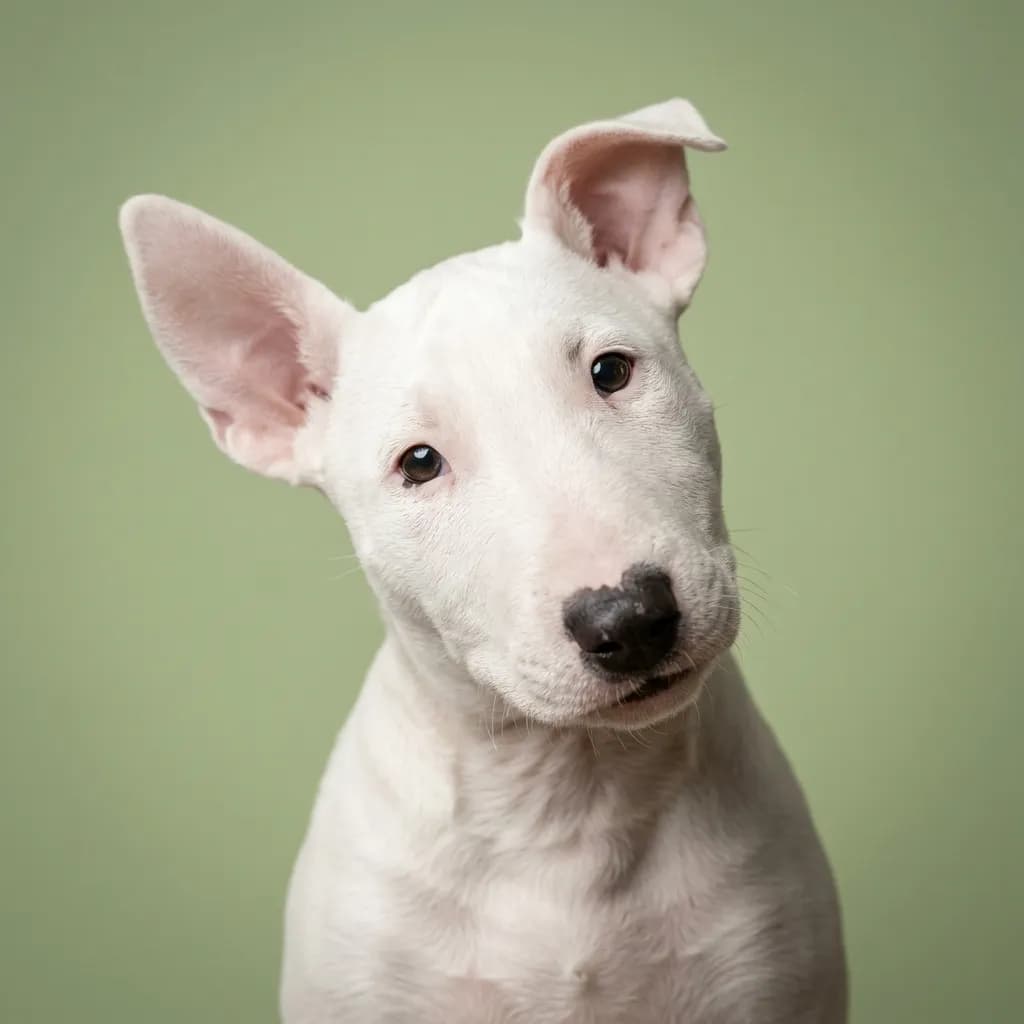
You’re not going to see a Bull Terrier and Schapendoes side-by-side at your average dog park, but if you’re drawn to quirky, high-energy breeds with personality to burn, you might find yourself comparing them. One’s a cartoon-faced tank with a clown heart, the other a bouncy, mustachioed shepherd with a mane like a windswept poet. They both demand activity and mental challenge, sure, but that’s where the similarities end. The Bull Terrier is a force of nature. Playful and stubborn in equal measure, it thrives on routine and experienced handling. You’ll laugh at its antics, then sigh when it decides the couch is a chew toy. It’s loyal to its people, but that terrier drive means it might not play nice with small pets, and off-leash freedom? Forget it. Deafness and skin issues are real concerns, especially in white-coated dogs, and you’ll need a vet you trust. The Schapendoes, meanwhile, is the dog you didn’t know you wanted until you see it leaping through a field, ears flying. Bred to herd sheep in the Dutch hills, it’s agile, eager, and deeply bonded to its family. It’s more trainable than the Bull Terrier, more adaptable to different homes. just don’t expect it to sit still. That fluffy coat needs weekly brushing, and you’ll be grooming it or paying someone to. But if you’re into agility or just love a dog that’s always with you, mentally and physically, it’s magic. Here’s the real talk: the Bull Terrier chooses you, on its terms. The Schapendoes chooses to work with you. Pick the Bull Terrier if you want a bold, goofy companion and can handle the chaos. Pick the Schapendoes if you want a partner who’ll match your energy and shine in teamwork.
Trait-by-trait
Higher bar = more of that trait. Shedding, barking, drooling, grooming flipped for readability.Where they diverge
Choose the Bull Terrier if…
- Active individuals
- Experienced dog owners
- Families with older children
- You value shedding level — Bull Terrier scores noticeably higher.
Choose the Schapendoes if…
- active families
- agility and herding sport enthusiasts
- experienced herding breed owners
- You value good with other dogs — Schapendoes scores higher here.