Bull Terrier vs Schipperke
Side-by-side comparison across all 14 AKC trait ratings, with a clear verdict on which breed fits which kind of household.
Not sure which breed fits your life?
Answer five questions about your home, your schedule, and your tolerance for shedding. We’ll match you to your top three breeds from over 200.
Bull Terrier vs Schipperke
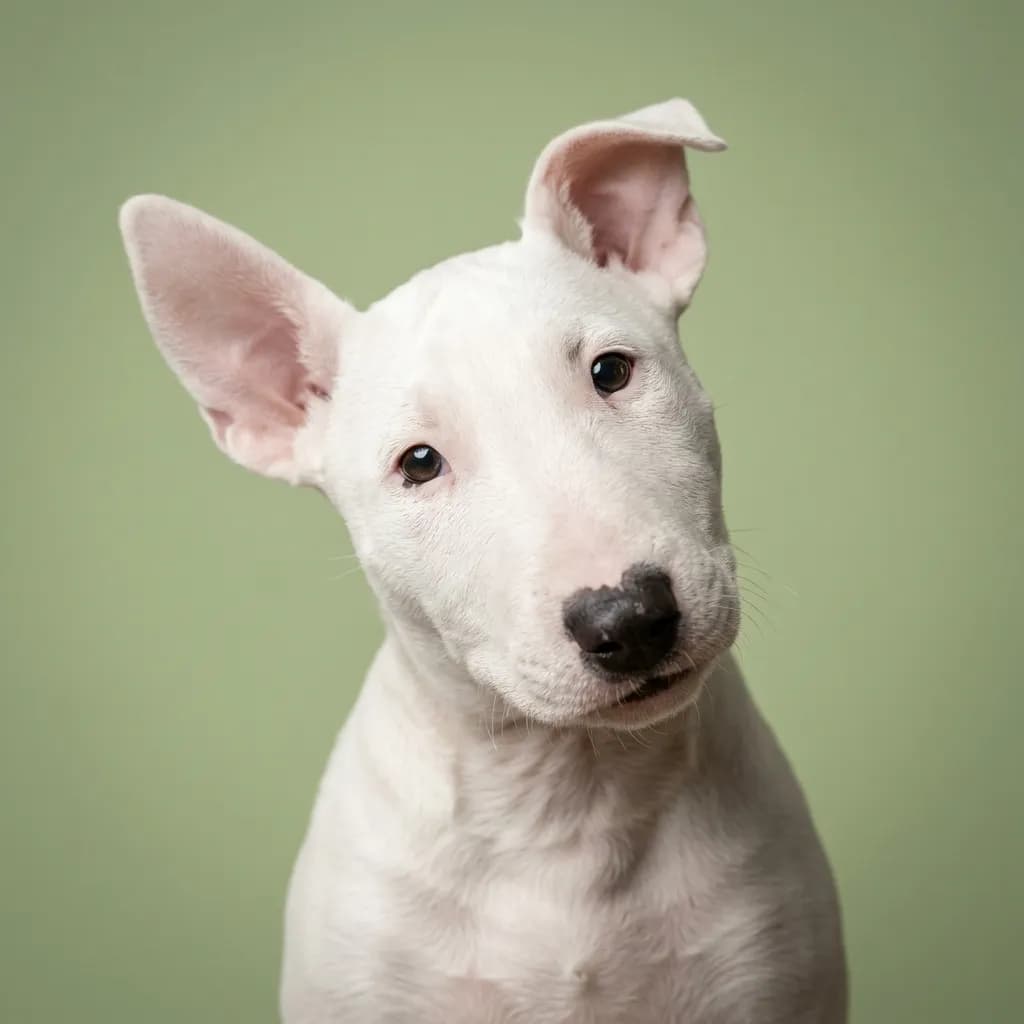
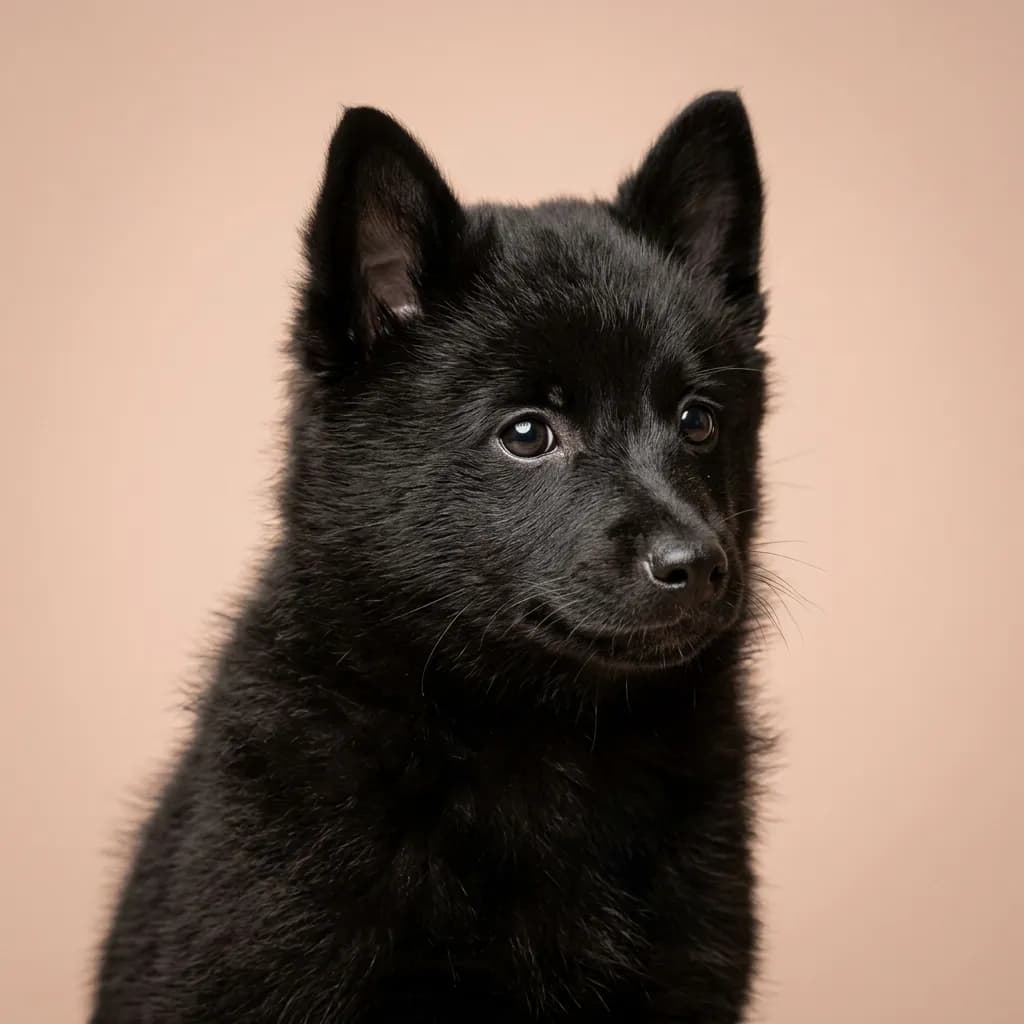
People compare Bull Terriers and Schipperkes because both have a bold, almost comical intensity and that “I know something you don’t” look in their eyes. But that’s where the similarity ends. One’s a compact shadow with a fox-like prance, the other’s a muscular bowling pin with a grin like a cartoon character. Choosing between them isn’t just size. it’s lifestyle. The Bull Terrier is a full-throttle companion. At 50 to 70 pounds, this dog wants to be involved in everything, from your morning run to your late-night snack raid. He’s affectionate, yes, but with the energy and stubborn streak typical of terriers. Trainability is medium. you’ll need patience. and he’s not great around small pets, thanks to his history as a fighter. You need space, time, and experience. If you’ve never handled a strong-willed breed, this isn’t the one to start with. The Schipperke, at 10 to 16 pounds, fits in your lap but acts like he owns the block. He’s alert, quick to bark at passersby, and fiercely loyal. He’s easier to train than the Bull Terrier and adapts well to smaller homes. just don’t expect silence. He was bred to guard boats and catch rats, so he’s always watching, always ready. Great for someone who wants a small dog with a big-dog attitude. Here’s the real difference: the Bull Terrier needs you to lead. The Schipperke? He’ll try to take over. One demands your time and effort. The other demands your respect. Pick the Bull Terrier if you want a goofy, high-energy partner in crime. Pick the Schipperke if you want a tiny sentinel with a Napoleon complex who’ll love you like no one else.
Trait-by-trait
Higher bar = more of that trait. Shedding, barking, drooling, grooming flipped for readability.Where they diverge
Choose the Bull Terrier if…
- Active individuals
- Experienced dog owners
- Families with older children
- You value good with strangers — Bull Terrier scores noticeably higher.
Choose the Schipperke if…
- Active owners
- Those wanting a small but bold breed
- Suburban or rural settings
- You value good with other dogs — Schipperke scores higher here.