Bullmastiff vs Schapendoes
Side-by-side comparison across all 14 AKC trait ratings, with a clear verdict on which breed fits which kind of household.

Not sure which breed fits your life?
Answer five questions about your home, your schedule, and your tolerance for shedding. We’ll match you to your top three breeds from over 200.
Bullmastiff vs Schapendoes
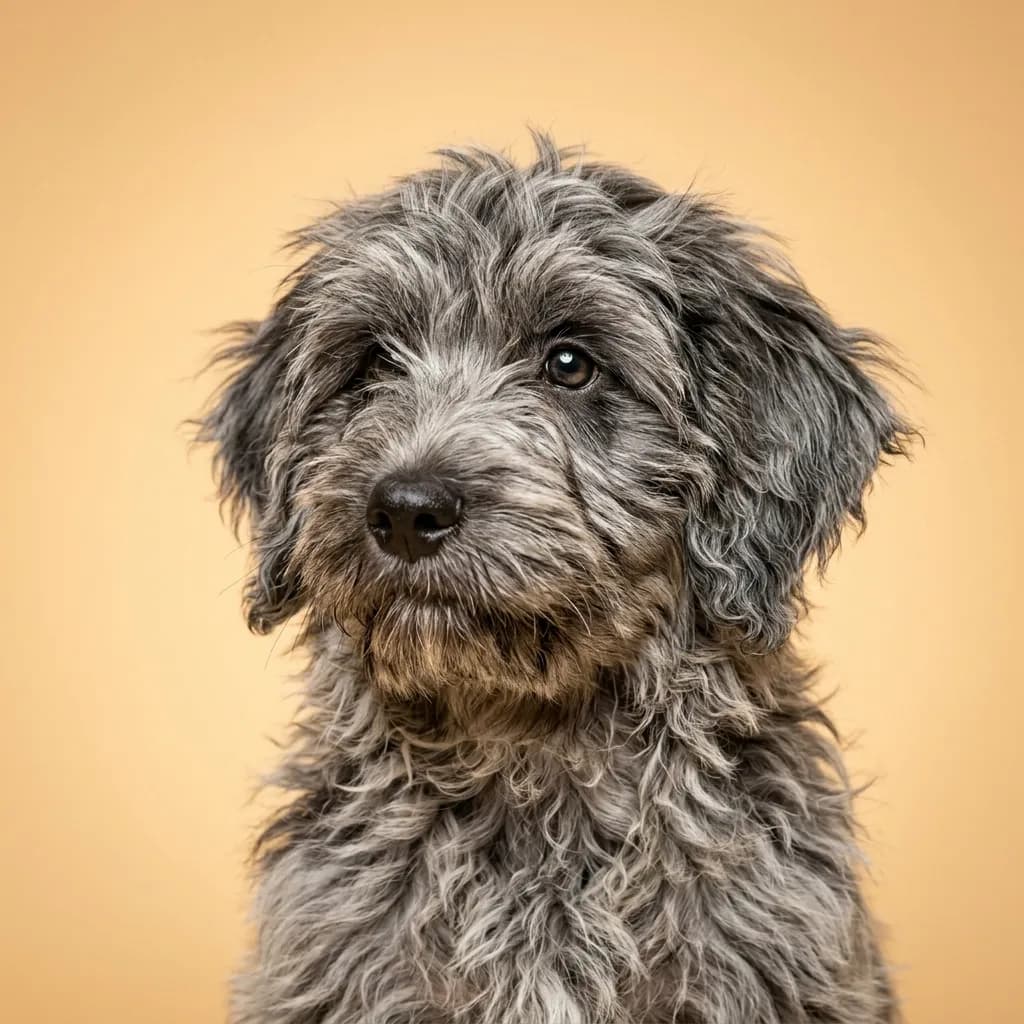
You’re not going to find these two at the same dog park, and honestly, they were built for entirely different worlds. People compare Bullmastiffs and Schapendoes because both are rare, both have loyal followings, and both sound “interesting” when you’re deep in late-night breed research. But that’s where the similarity ends. The Bullmastiff is your estate guardian. Big, quiet, and solid as a brick wall, this dog won’t bark much but will position himself between you and anything he deems a threat. He’s not hyper, but his energy is physical. he wants space to patrol, not climb on furniture. You need a yard, patience for grooming, and experience reading dog body language. He’s not great with toddlers simply because of his size, and bloat is a real concern, so you’ll feed him in stages and avoid vigorous play after meals. The Schapendoes is the opposite kind of project. Light, bouncy, and covered in a mop of hair that needs weekly care, this dog lives to work. He was bred to herd sheep across Dutch hills, so he needs jobs. agility, obedience, long hikes, or just serious backyard games. He’s cheerful with kids but won’t tolerate rough handling. He barks more, sheds less, and adapts better to changes in routine. But leave him alone too long and he’ll find a way to entertain himself. probably by dismantling your slipper collection. Here’s the truth beyond the data: the Bullmastiff gives you calm authority; the Schapendoes gives you joyful partnership. Pick the Bullmastiff if you want a silent protector who blends into your routine. Pick the Schapendoes if you want a dog that pulls you into their world. one full of motion, expression, and a little bit of chaos.
Trait-by-trait
Higher bar = more of that trait. Shedding, barking, drooling, grooming flipped for readability.Where they diverge
Choose the Bullmastiff if…
- Experienced dog owners
- Families with older children
- Homeowners with fenced yards
- You value shedding level — Bullmastiff scores noticeably higher.
Choose the Schapendoes if…
- active families
- agility and herding sport enthusiasts
- experienced herding breed owners
- You value good with other dogs — Schapendoes scores higher here.