Bullmastiff vs Scottish Deerhound
Side-by-side comparison across all 14 AKC trait ratings, with a clear verdict on which breed fits which kind of household.
Not sure which breed fits your life?
Answer five questions about your home, your schedule, and your tolerance for shedding. We’ll match you to your top three breeds from over 200.
Bullmastiff vs Scottish Deerhound
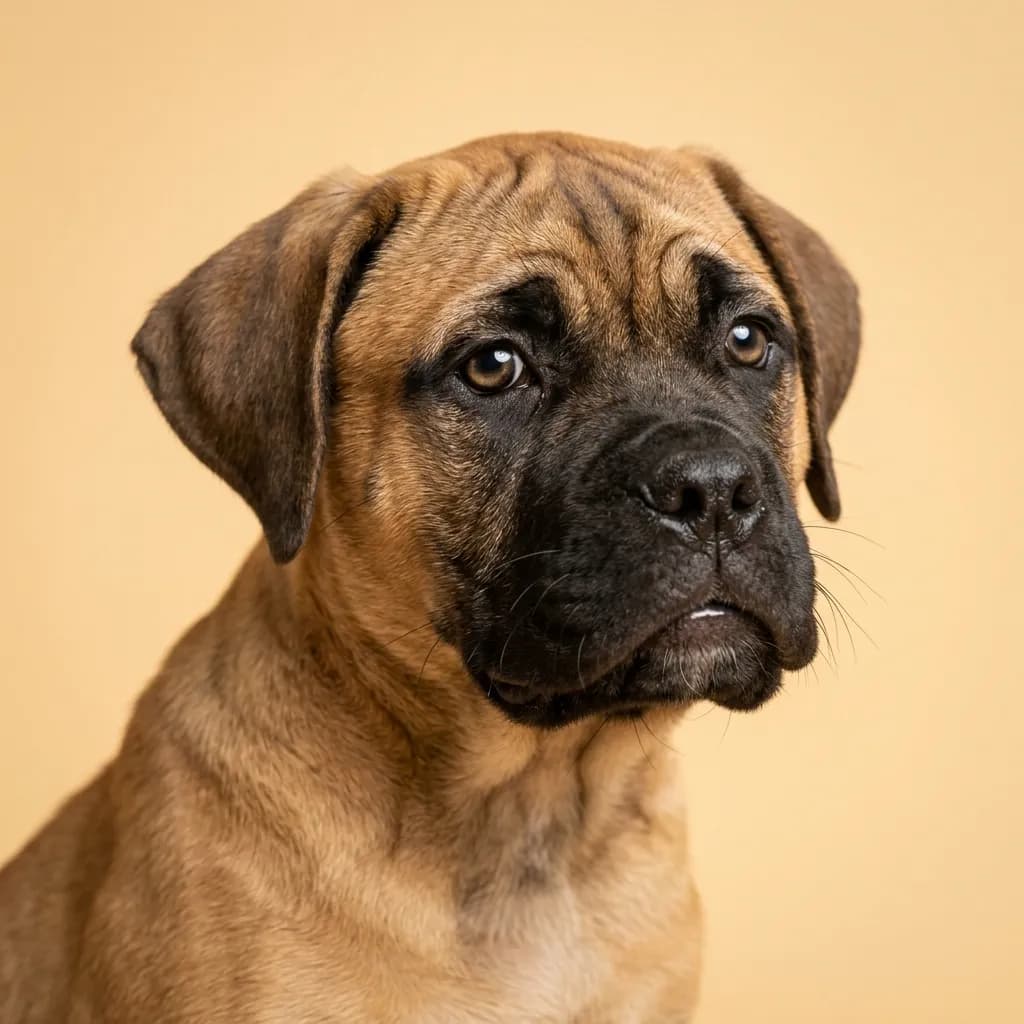
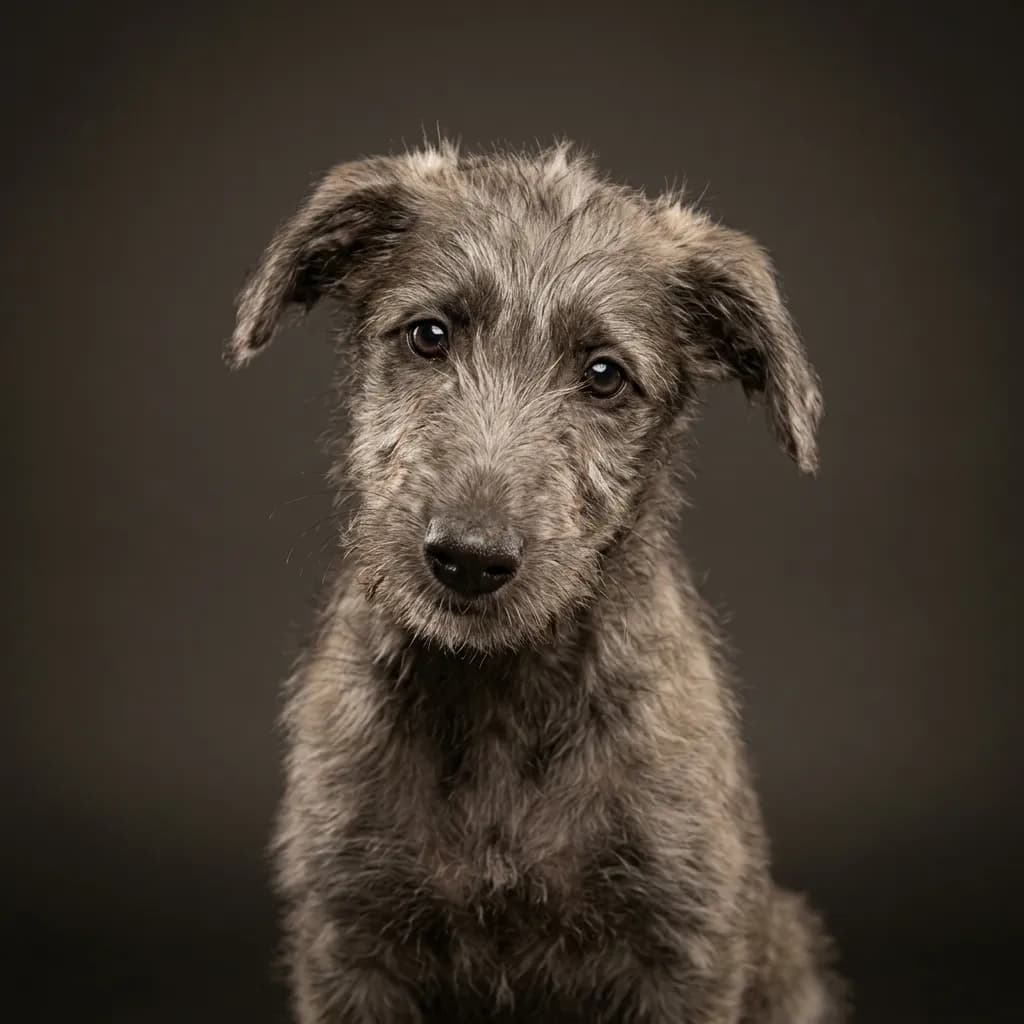
People compare Bullmastiffs and Scottish Deerhounds because they’re both massive, noble-looking dogs that command attention. But that’s where the similarity ends. Think of them as two different kinds of bodyguards. one’s a bouncer, the other a knight in a frayed cloak. The Bullmastiff is the breed you get when you want a living security system. Calm, watchful, and intensely loyal, this dog was bred to pin poachers, not kill them. That tells you everything: controlled power, low bark, high loyalty. They’re affectionate with their people but reserved with strangers. You need space for them, yes, but more than that, you need experience. They’re strong, they mature slowly, and their size alone can knock over a small child. so families with young kids should think twice. The Scottish Deerhound? Imagine a shaggy, six-foot-tall poet who runs marathons in the woods. They’re gentle to a fault, deeply affectionate, and oddly quiet for their size. But they’re sighthounds, which means they’ll chase a squirrel into another county if the yard isn’t 100% secure. They won’t guard your house. most will probably greet intruders with a wag. but they’ll lean on you like a 100-pound emotional support blanket. Here’s the real talk: both are short-lived, expensive, and prone to bloat. But the Bullmastiff needs a confident handler who wants a protector. The Deerhound needs a patient soul who can handle a dog that’s both fragile and fearless. Pick the Bullmastiff if you want presence and purpose. Pick the Deerhound if you’re okay with a heartbreaker who looks like a dinosaur and acts like a shy bard.
Trait-by-trait
Higher bar = more of that trait. Shedding, barking, drooling, grooming flipped for readability.Where they diverge
Choose the Bullmastiff if…
- Experienced dog owners
- Families with older children
- Homeowners with fenced yards
- You value drooling level — Bullmastiff scores noticeably higher.
Choose the Scottish Deerhound if…
- Active owners with spacious homes
- Those wanting a gentle giant
- Experienced sighthound owners
- You value good with other dogs — Scottish Deerhound scores higher here.