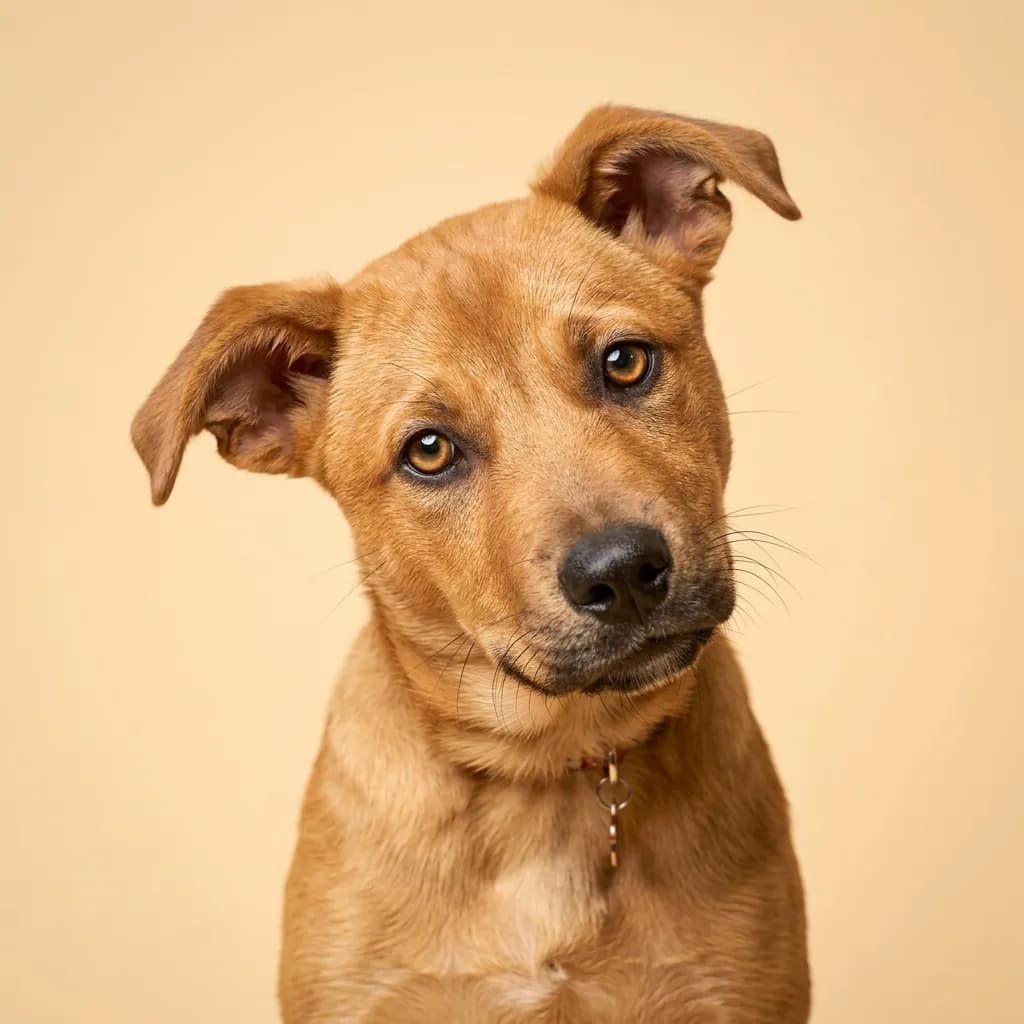
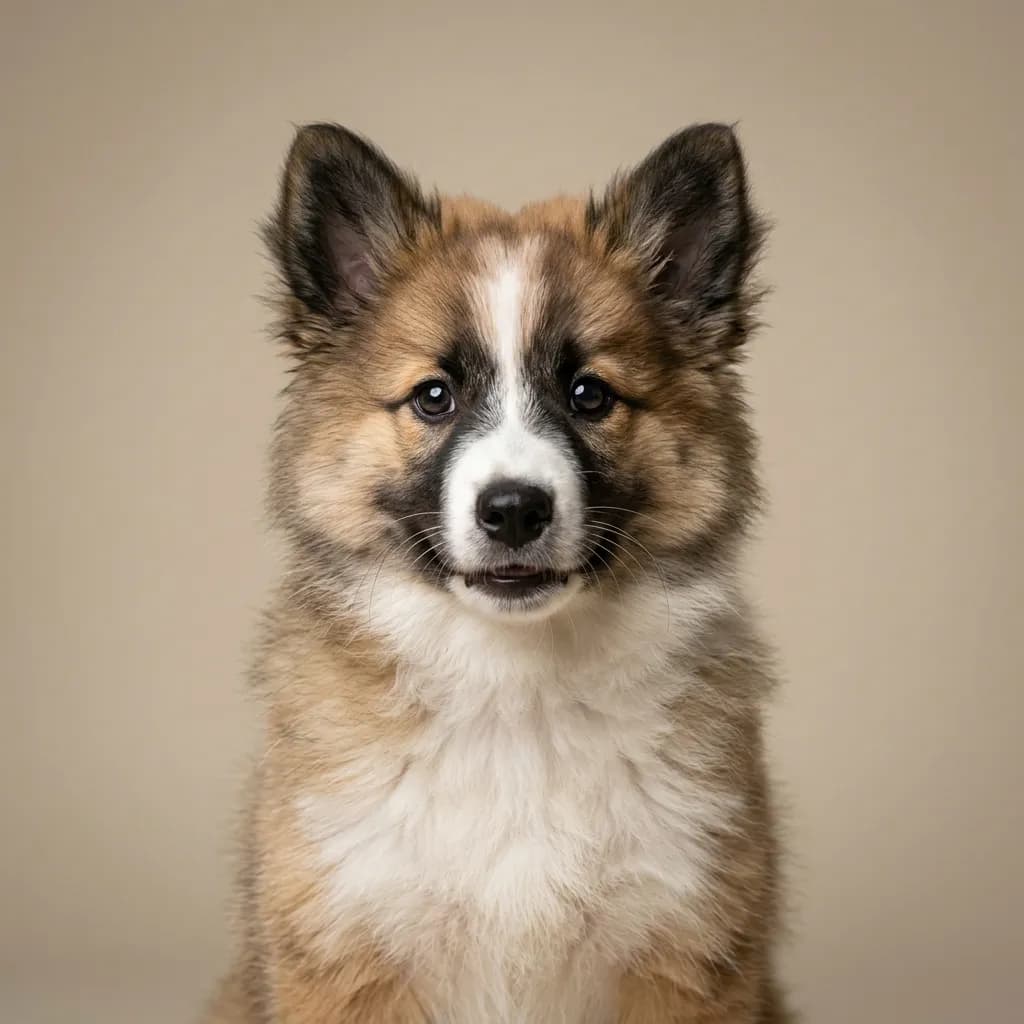
Carolina Dog vs Icelandic Sheepdog
Side-by-side comparison across all 14 AKC trait ratings, with a clear verdict on which breed fits which kind of household.
Not sure which breed fits your life?
Answer five questions about your home, your schedule, and your tolerance for shedding. We’ll match you to your top three breeds from over 200.
Carolina Dog vs Icelandic Sheepdog
You don’t see these two dogs at the same dog park very often, but people do compare them. probably because both are rare, medium-sized, prick-eared breeds with a wild look and a loyal heart. That’s where the similarities end. The Carolina Dog is like a feral poet who wandered in from the Southern woods, self-reliant and watchful. The Icelandic Sheepdog is the cheerful farmhand from a remote Nordic village who’s never met a kid or a sheep he didn’t love. If you want a dog that bonds deeply but keeps a little emotional distance. someone who’ll follow you on hikes but side-eye your guests, the Carolina might be your match. They’re smart but not eager to please, which means training takes patience. They thrive in rural settings with space and purpose, and they won’t do well if you’re gone all day. Their independence is beautiful, but it’s not for first-time owners. The Icelandic Sheepdog, on the other hand, is the people magnet. They’re bouncy, trainable, and endlessly affectionate. They want to be part of everything, cheerfully barking at squirrels and greeting the mailman like a long-lost cousin. They adapt better to suburban life, but they need mental stimulation and cold weather helps with their double coat. One thing the data won’t tell you? The Carolina Dog might never fully obey off-leash, no matter how much you train. instinct runs deep. The Icelandic Sheepdog might never stop barking, even with training. joy and alertness are baked in. Choose the Carolina if you value quiet resilience and don’t mind a little mystery. Choose the Icelandic if your home runs on laughter and motion, and you want a dog who’s always down for the next adventure.
Trait-by-trait
Higher bar = more of that trait. Shedding, barking, drooling, grooming flipped for readability.Where they diverge
Choose the Carolina Dog if…
- active families
- experienced owners
- rural environments
Choose the Icelandic Sheepdog if…
- Active families
- Cold climates
- Families with children
- You value affectionate w/ family — Icelandic Sheepdog scores higher here.