Caucasian Shepherd Dog vs Pumi
Side-by-side comparison across all 14 AKC trait ratings, with a clear verdict on which breed fits which kind of household.

Not sure which breed fits your life?
Answer five questions about your home, your schedule, and your tolerance for shedding. We’ll match you to your top three breeds from over 200.
Caucasian Shepherd Dog vs Pumi
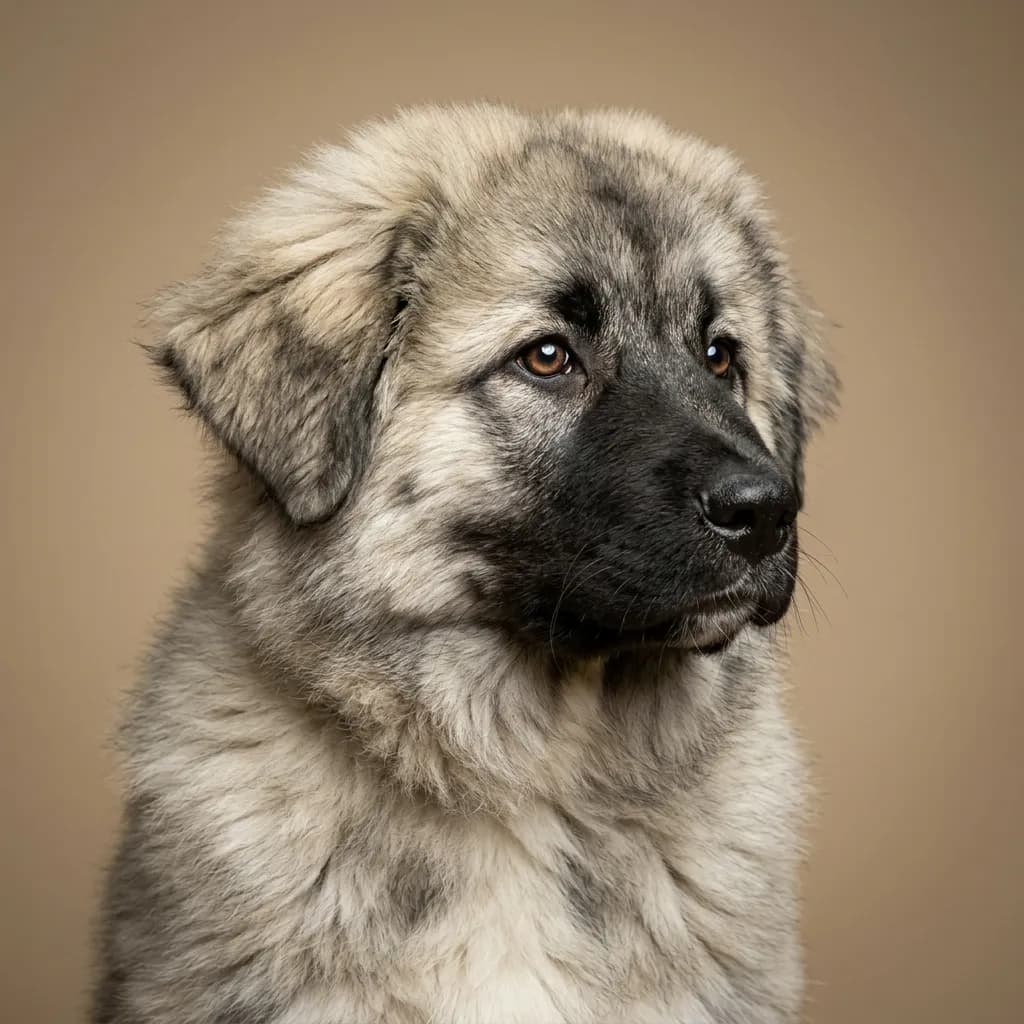
People compare the Caucasian Shepherd Dog and the Pumi because they’re both rare, both have strong working drives, and both fall outside the mainstream. so if you’re researching them, you’re already serious about dogs. But that’s where the similarity ends. These breeds are polar opposites in almost every way that matters. Imagine this: the Caucasian Shepherd is a 150-pound wall of muscle and fur bred to take on wolves in the mountains of Georgia. It’s bold, independent, and deeply loyal to its family. but it won’t follow you around like a shadow. It watches. It decides. You’ll need experience, space, and a lifestyle built around a dog that’s essentially a live-in security system with fur. It sheds heavily, needs cold weather to thrive, and won’t do small yards or city life. Now picture the Pumi: a 25-pound whirlwind from Hungary with a curly coat, upright ears, and a brain that never shuts off. This dog lives to work, play, and engage. It’s bouncy, affectionate, and eager to learn. think border collie energy with a punk-rock coat. It bonds closely, thrives on mental challenges, and will happily herd your kids around the backyard if you let it. It’s adaptable enough for suburban life, but only if you’re active and involved. Here’s the real talk: the Caucasian Shepherd isn’t a pet in the traditional sense. It’s a guardian first. The Pumi? It’s a partner. If you want a dog that challenges you, trains fast, and wants to be part of everything, go Pumi. If you need a property guardian and already know what it means to handle a dominant, powerful breed, the Caucasian Shepherd might be your match. But don’t get either if you’re not ready to commit. these dogs don’t forgive half-hearted ownership.
Trait-by-trait
Higher bar = more of that trait. Shedding, barking, drooling, grooming flipped for readability.Where they diverge
Choose the Caucasian Shepherd Dog if…
- Experienced dog owners
- Rural or large property owners
- Those wanting a livestock guardian
- You value shedding level — Caucasian Shepherd Dog scores noticeably higher.
Choose the Pumi if…
- Active owners
- Dog sports enthusiasts
- Experienced herding breed owners
- You value affectionate w/ family — Pumi scores higher here.