Chesapeake Bay Retriever vs French Bulldog
Side-by-side comparison across all 14 AKC trait ratings, with a clear verdict on which breed fits which kind of household.

Not sure which breed fits your life?
Answer five questions about your home, your schedule, and your tolerance for shedding. We’ll match you to your top three breeds from over 200.
Chesapeake Bay Retriever vs French Bulldog
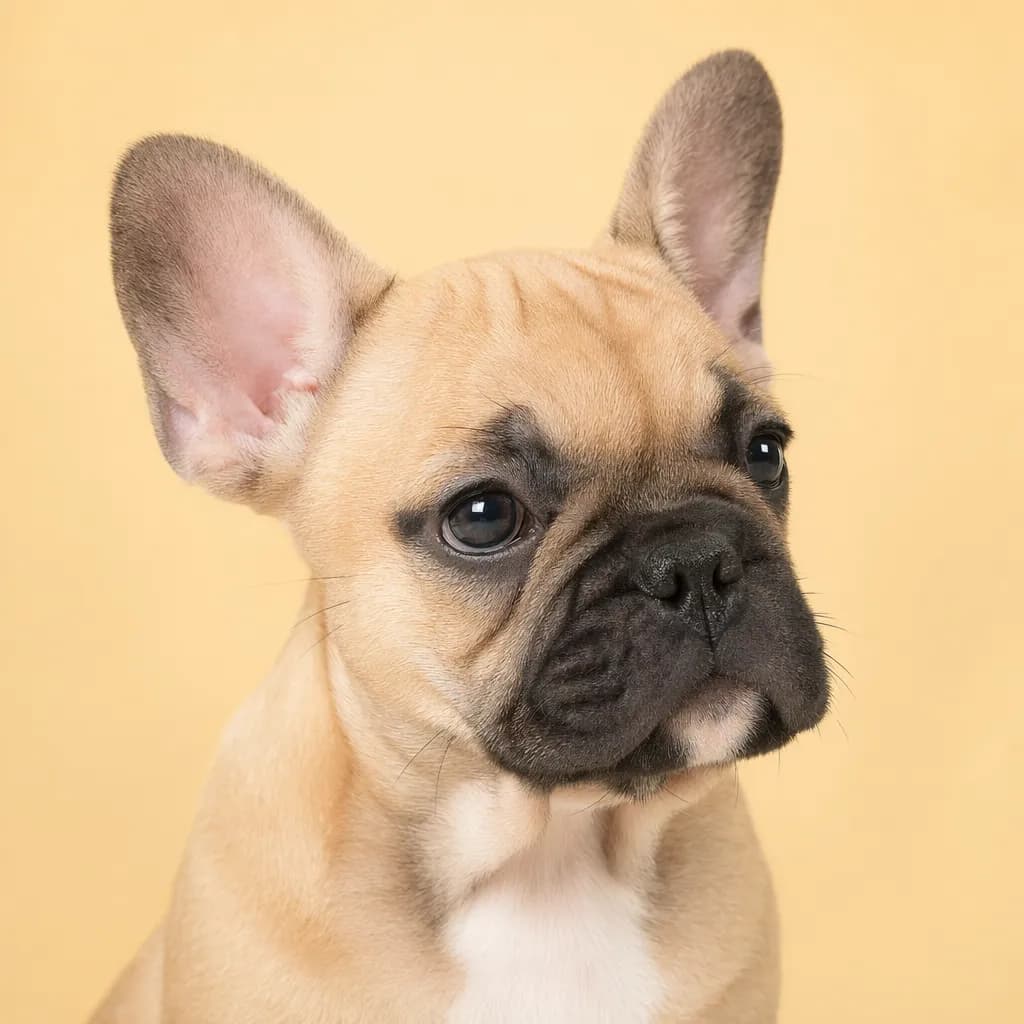
People compare Chessies and Frenchies because both can be family dogs with big personalities, but that’s where the similarity ends. You’re not just picking between sizes or energy levels. you’re choosing two entirely different lifestyles. The Chesapeake Bay Retriever is a working dog with a mission. Bred to haul ducks out of icy water, this breed thrives when it has a job. You’ll need space, time, and a tolerance for wet dog smell after every rainstorm. They’re deeply loyal and bright, but sensitive. harsh training backfires fast. They’re good with kids, just not in a cutesy, always-on mode. Chessies need mental challenges and cold weather agrees with them. If you’re outdoorsy, have a yard, and don’t mind a dog that’ll stare at you like you’re not doing enough with your day, this one’s for you. French Bulldogs, on the other hand, are city slickers in a dog’s body. They nap on couches, snore like old men, and cost a small fortune. not just to buy, but to keep healthy. Their flat faces mean heat and exercise are dangerous. But they’re goofy, affectionate, and read your emotions like therapists. They’re perfect for small spaces and big hearts, especially if your idea of adventure is a walk around the block. Here’s the real talk: French Bulldogs look low-maintenance but come with high vet bills and fragile health. Chessies are rugged but demand engagement. Pick the Frenchie if you want a portable, ever-present companion. Pick the Chessie if you want a partner who’ll grow with you. just don’t expect weekends alone.
Trait-by-trait
Higher bar = more of that trait. Shedding, barking, drooling, grooming flipped for readability.Where they diverge
Choose the Chesapeake Bay Retriever if…
- Active families
- Hunters and waterfowlers
- Cold and wet climate owners
- You value coat grooming — Chesapeake Bay Retriever scores noticeably higher.
Choose the French Bulldog if…
- Apartment dwellers
- Seniors
- Families with children
- You value good with young children — French Bulldog scores higher here.