Chesapeake Bay Retriever vs Great Pyrenees
Side-by-side comparison across all 14 AKC trait ratings, with a clear verdict on which breed fits which kind of household.
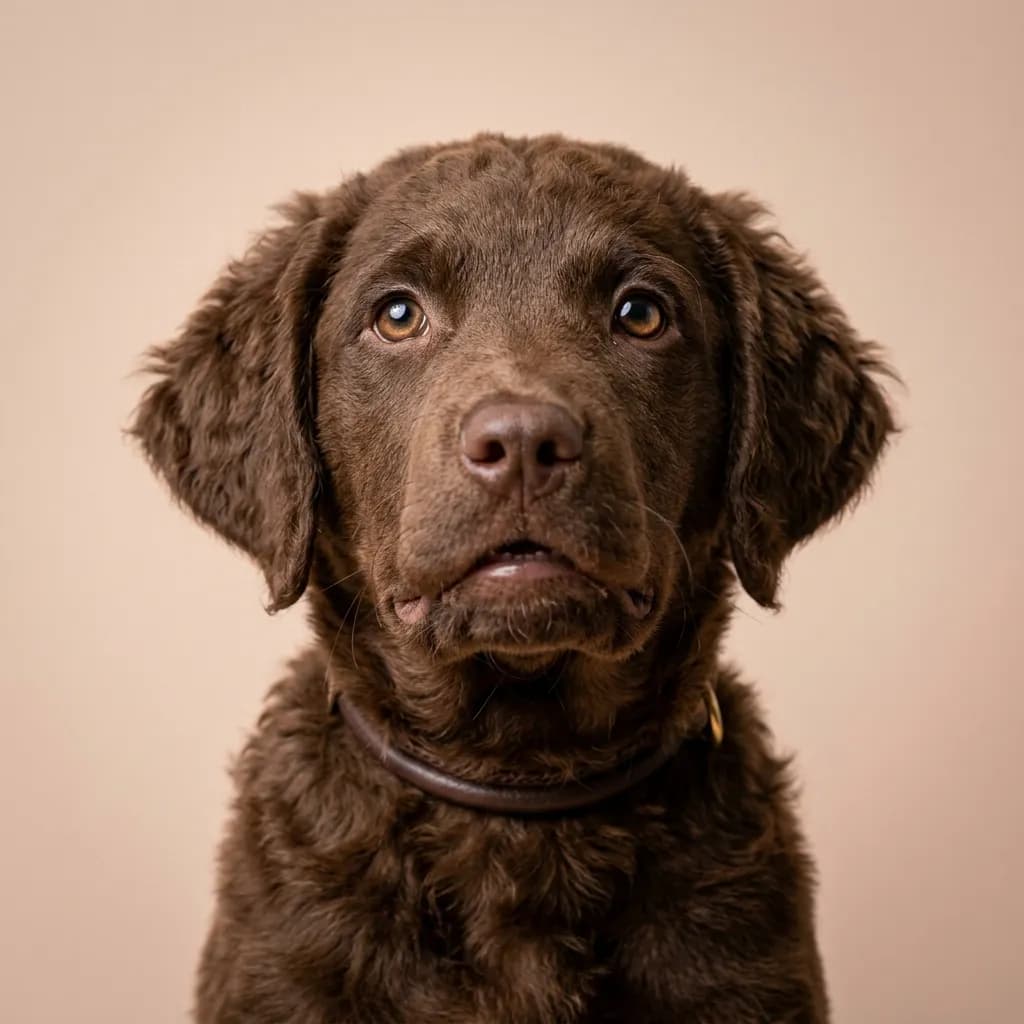
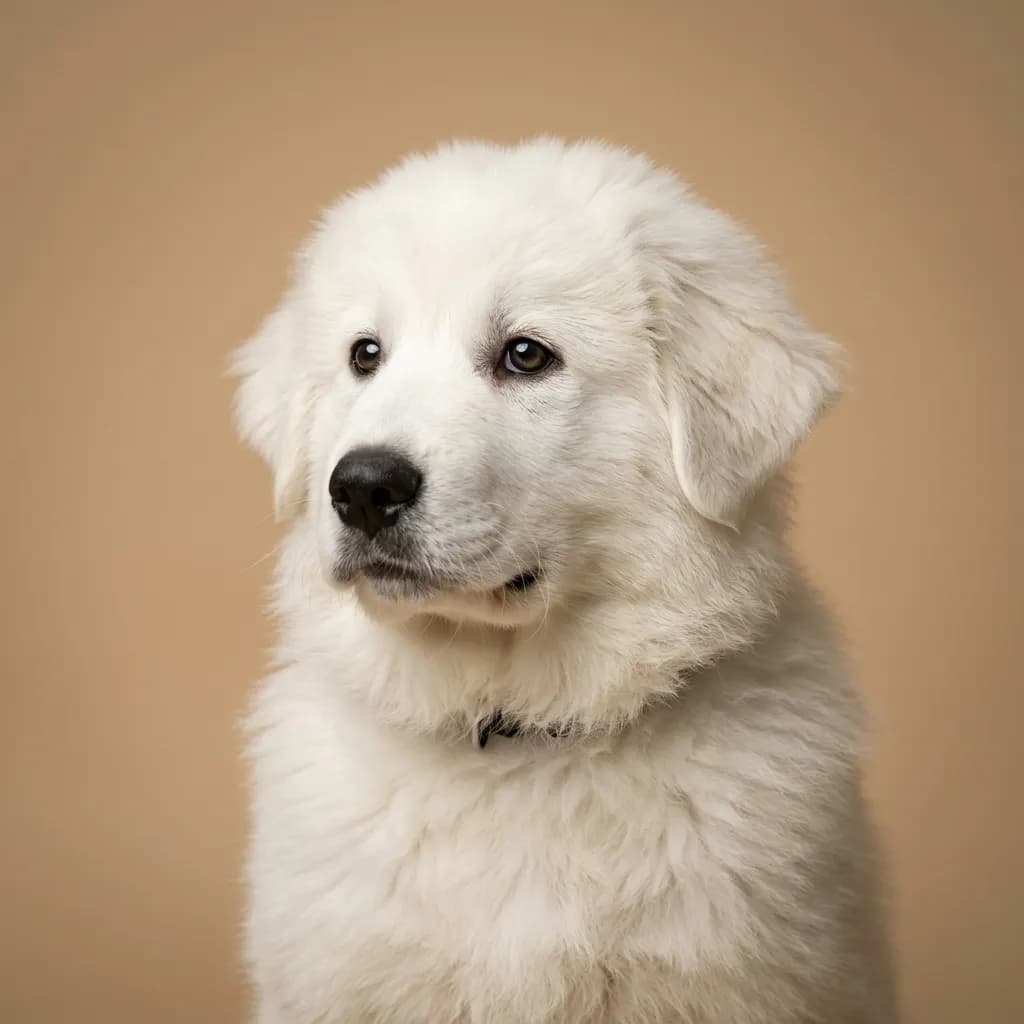
Not sure which breed fits your life?
Answer five questions about your home, your schedule, and your tolerance for shedding. We’ll match you to your top three breeds from over 200.
Chesapeake Bay Retriever vs Great Pyrenees
People compare Chesapeake Bay Retrievers and Great Pyrenees because both are big, thick-coated dogs built for cold weather, and they’re often found near water or wide-open spaces. But that’s where the similarity ends. These breeds were forged by completely different jobs, and that shapes everything about how they live in your life. The Chessie was born to dive into icy surf, plow through waves, and bring back ducks with relentless focus. They’re bright, driven, and deeply bonded to their people. You’ll need to match their energy. they want to do things with you, whether it’s hunting, swimming, or advanced training. They’re affectionate but sensitive; harsh corrections shut them down. If you’re active and want a dog that thrives on partnership, the Chessie will surprise you with their grit and devotion. The Great Pyrenees, meanwhile, was bred to be alone on a mountain pass, watching over sheep all night, making calm, independent decisions about threats. They’re patient, deeply loyal to their family, and operate with a quiet, steady authority. Don’t expect a Chessie-style eagerness to obey. Pyrs are more like furry sentinels who tolerate your rules as long as they don’t interfere with their job. which is protecting you, whether you like it or not. Here’s the thing no one tells you: the Chessie needs a job to avoid becoming stressed, while the Pyr just needs a view. If you live on a quiet acreage and want a gentle giant who’ll patrol the perimeter, the Pyr fits. But if you’re out hiking, hunting, or playing in the water most weekends, the Chessie will be right there with you, ears back and tail wagging. Choose the Pyr for presence, the Chessie for partnership.
Trait-by-trait
Higher bar = more of that trait. Shedding, barking, drooling, grooming flipped for readability.Where they diverge
Choose the Chesapeake Bay Retriever if…
- Active families
- Hunters and waterfowlers
- Cold and wet climate owners
- You value trainability — Chesapeake Bay Retriever scores noticeably higher.
Choose the Great Pyrenees if…
- Livestock guardians
- Rural or farm living
- Families with children
- You value affectionate w/ family — Great Pyrenees scores higher here.