Chesapeake Bay Retriever vs Hamiltonstovare
Side-by-side comparison across all 14 AKC trait ratings, with a clear verdict on which breed fits which kind of household.
Not sure which breed fits your life?
Answer five questions about your home, your schedule, and your tolerance for shedding. We’ll match you to your top three breeds from over 200.
Chesapeake Bay Retriever vs Hamiltonstovare
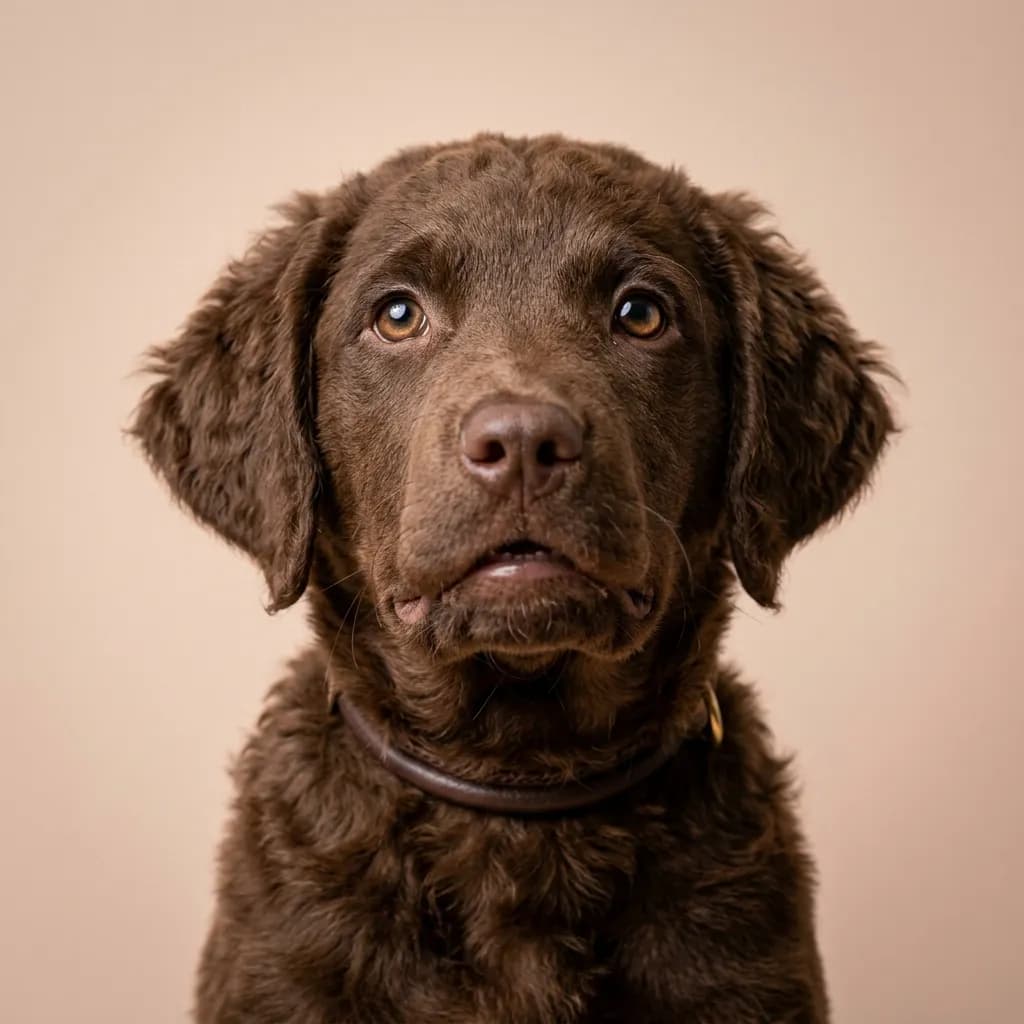
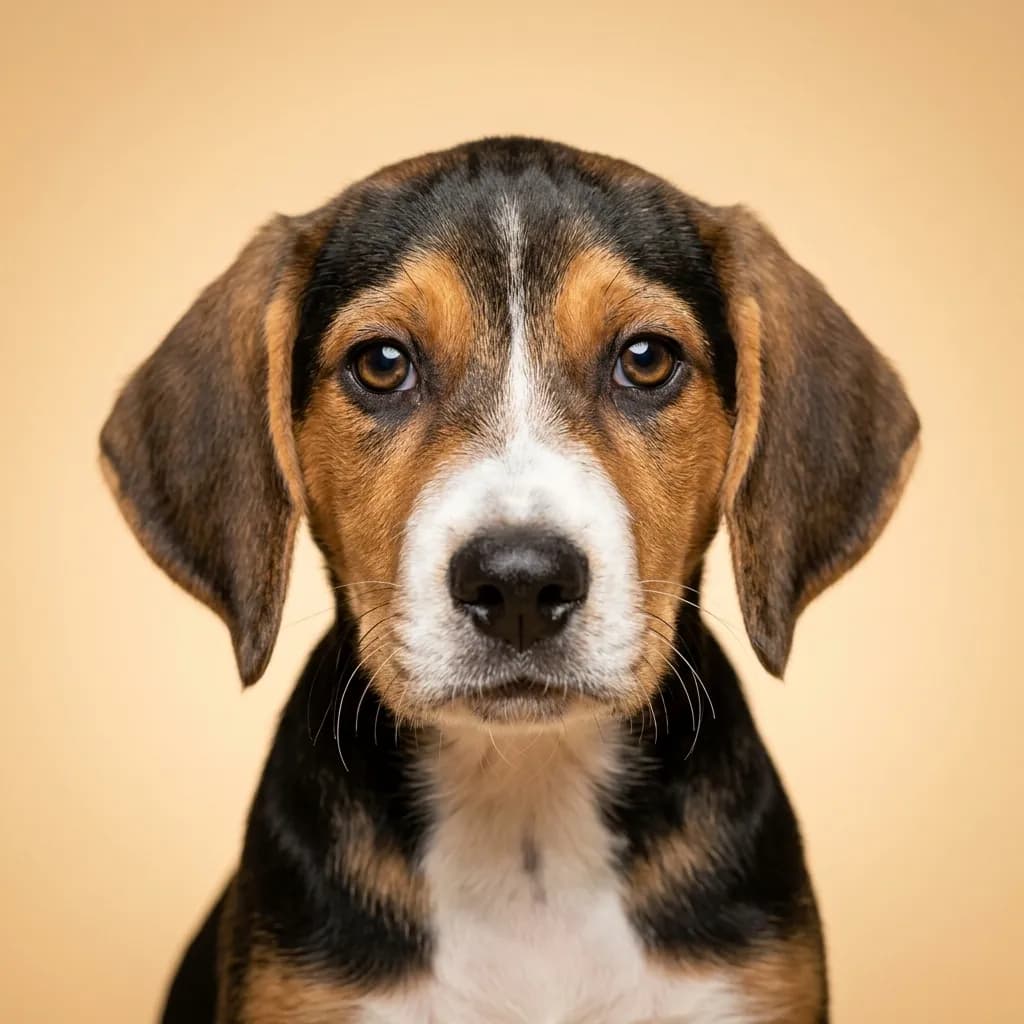
People don’t usually pit the Chessie against the Hamiltonstovare, but if you’re deep in the hunting dog world. or live where cold, rugged terrain meets dense woods and icy streams. both come up. They’re versatile, hard-driving breeds built for purpose, not show. But beyond the shared energy and nose for adventure, they’re shaped by very different jobs. The Chesapeake Bay Retriever was forged in the icy chop of the Chesapeake, pulling ducks from frigid water with a coat like oiled leather. It’s deeply bonded to its family, sensitive to tone, and thrives on structure. You’ll see it settle at your feet after a long day, still alert, still tuned in. It’s a thinker, needs mental challenges, and while loyal, it’s not always a clown with kids. some are reserved, even protective. You need to earn its trust, and you’ll train it consistently. The Hamiltonstovare, bred for hours-long solo pursuits across Swedish forests, runs on scent and stamina. It’s more independent, less intense in focus, and genuinely sweet with kids. patient, steady, and game for anything. But that independence means recall is a lifelong project, and it’s not as adaptable to city life or frequent schedule shifts. It wants routine, space, and a job. Here’s the real difference: the Chessie works with you, like a partner in a tough, wet, rewarding mission. The Hamiltonstovare works near you, following its nose, happy as long as it’s outside. If you want a dog that’ll lock eyes with you in a storm and wait for the whistle, go Chessie. If you want a resilient, gentle hound built for country life and long trails, the Hamiltonstovare might be your match. Just don’t expect it to come when called. ever.
Trait-by-trait
Higher bar = more of that trait. Shedding, barking, drooling, grooming flipped for readability.Where they diverge
Choose the Chesapeake Bay Retriever if…
- Active families
- Hunters and waterfowlers
- Cold and wet climate owners
- You value coat grooming — Chesapeake Bay Retriever scores noticeably higher.
Choose the Hamiltonstovare if…
- Hunters
- Active families
- Rural living
- You value good with young children — Hamiltonstovare scores higher here.