Chesapeake Bay Retriever vs Italian Greyhound
Side-by-side comparison across all 14 AKC trait ratings, with a clear verdict on which breed fits which kind of household.

Not sure which breed fits your life?
Answer five questions about your home, your schedule, and your tolerance for shedding. We’ll match you to your top three breeds from over 200.
Chesapeake Bay Retriever vs Italian Greyhound
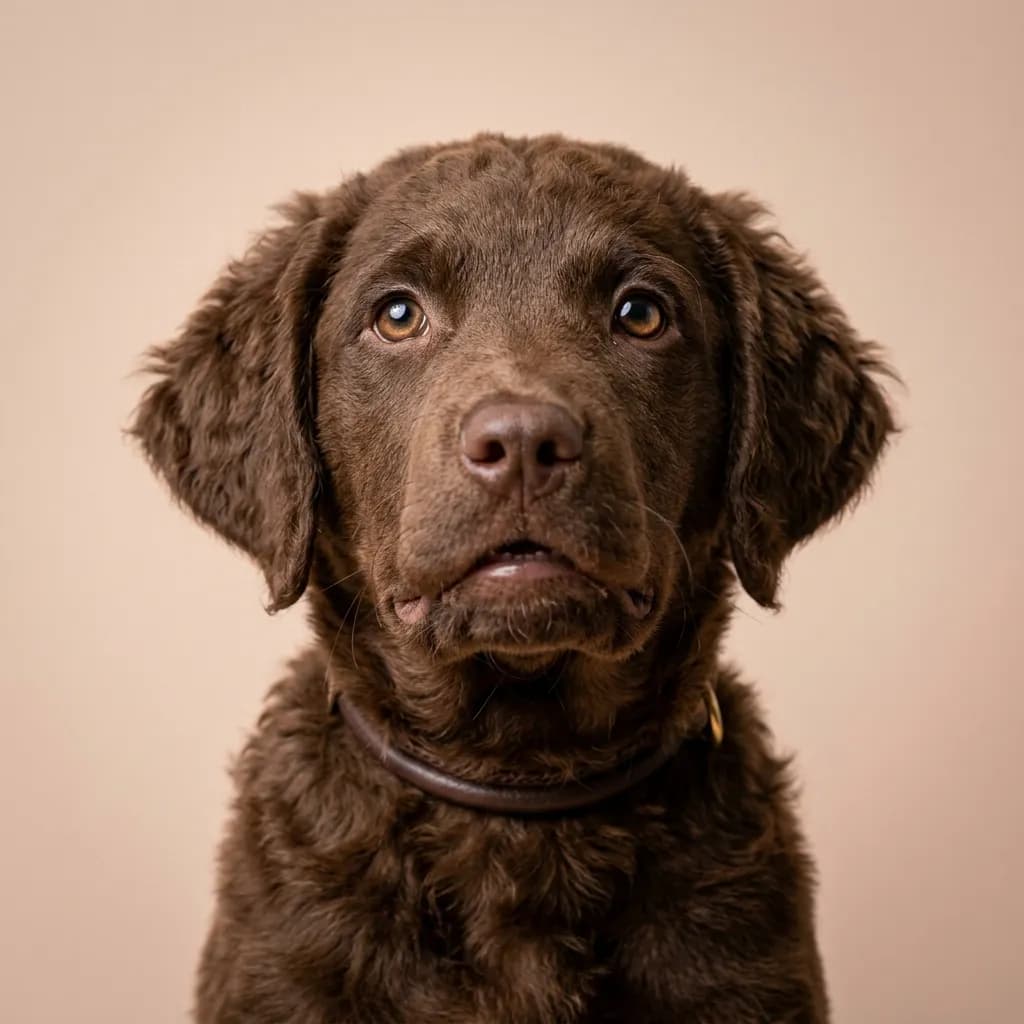
People compare the Chesapeake Bay Retriever and the Italian Greyhound when they’re torn between a dog that thrives on action and one that fits neatly into a quiet life. On paper, they’re both affectionate and sensitive, but that’s where the similarities end. Think of it this way: one was built to plow through icy waves retrieving ducks in a storm, the other to nap in a silk-lined lap. The Chessie is a powerhouse. 55 to 80 pounds of muscle, energy, and loyalty. If you’re outdoorsy, live near water, or want a dog that works beside you, they’re incredible. They bond deeply, train easily, and handle cold like a pro. But they’re not for the faint of heart. They need space, daily challenges, and you’ll need to manage their shedding and potential health issues like hip dysplasia. Kids? They can be good, but a Chessie’s idea of play is more “tackle” than “tender.” The Italian Greyhound is the opposite. At just 7 to 14 pounds, they’re delicate, elegant, and surprisingly tough in spirit. They’re quiet, bond fiercely to one person, and adapt beautifully to apartments. But they’re not couch potatoes. they’ll sprint laps at midnight and shiver in anything below 50 degrees. And yes, they break bones if dropped or jumped on, so rough households are a no-go. Here’s the real insight: people don’t choose these breeds for the same reason. Pick the Chessie if you want a partner. Pick the Italian Greyhound if you want a living heirloom. Your lifestyle isn’t just guiding the choice. it’s making it for you.
Trait-by-trait
Higher bar = more of that trait. Shedding, barking, drooling, grooming flipped for readability.Where they diverge
Choose the Chesapeake Bay Retriever if…
- Active families
- Hunters and waterfowlers
- Cold and wet climate owners
- You value coat grooming — Chesapeake Bay Retriever scores noticeably higher.
Choose the Italian Greyhound if…
- Apartment dwellers
- Seniors
- Gentle families
- You value good with other dogs — Italian Greyhound scores higher here.