Chesapeake Bay Retriever vs Jindo
Side-by-side comparison across all 14 AKC trait ratings, with a clear verdict on which breed fits which kind of household.
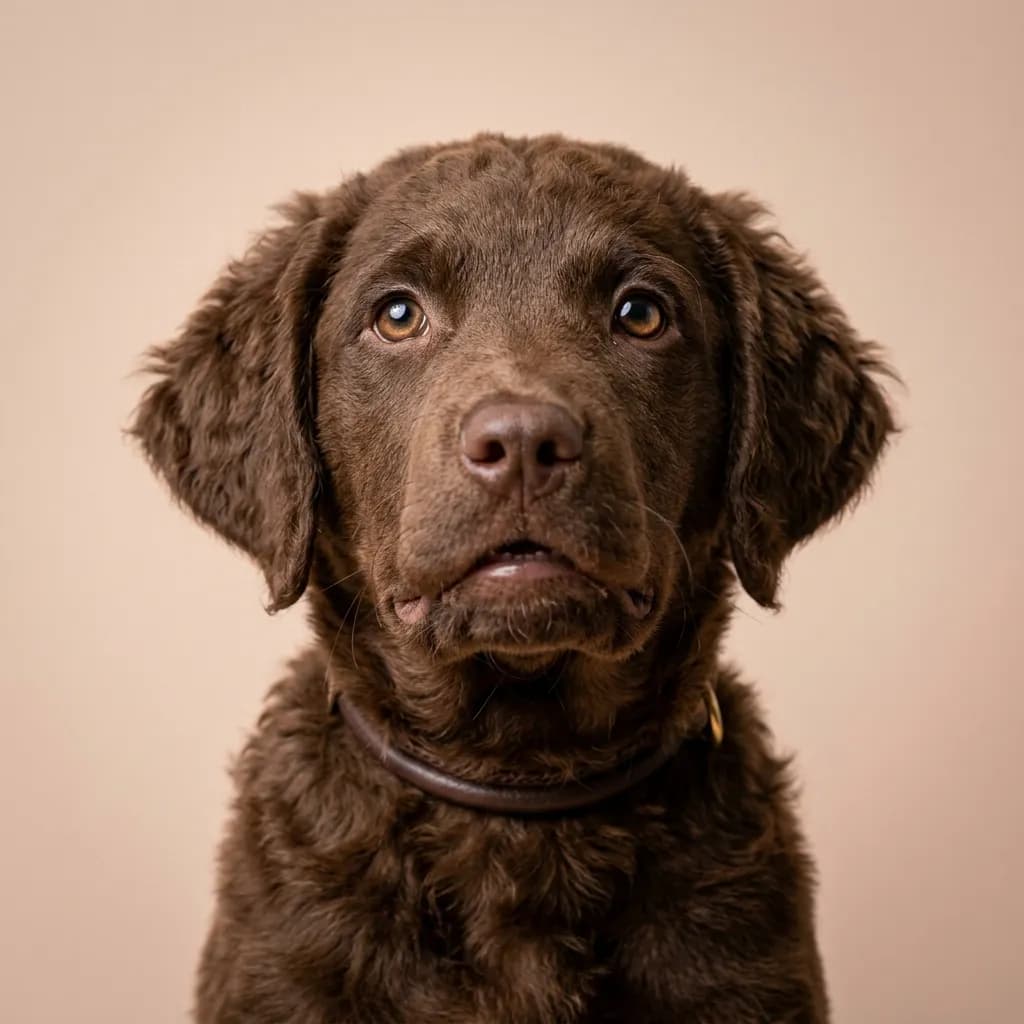
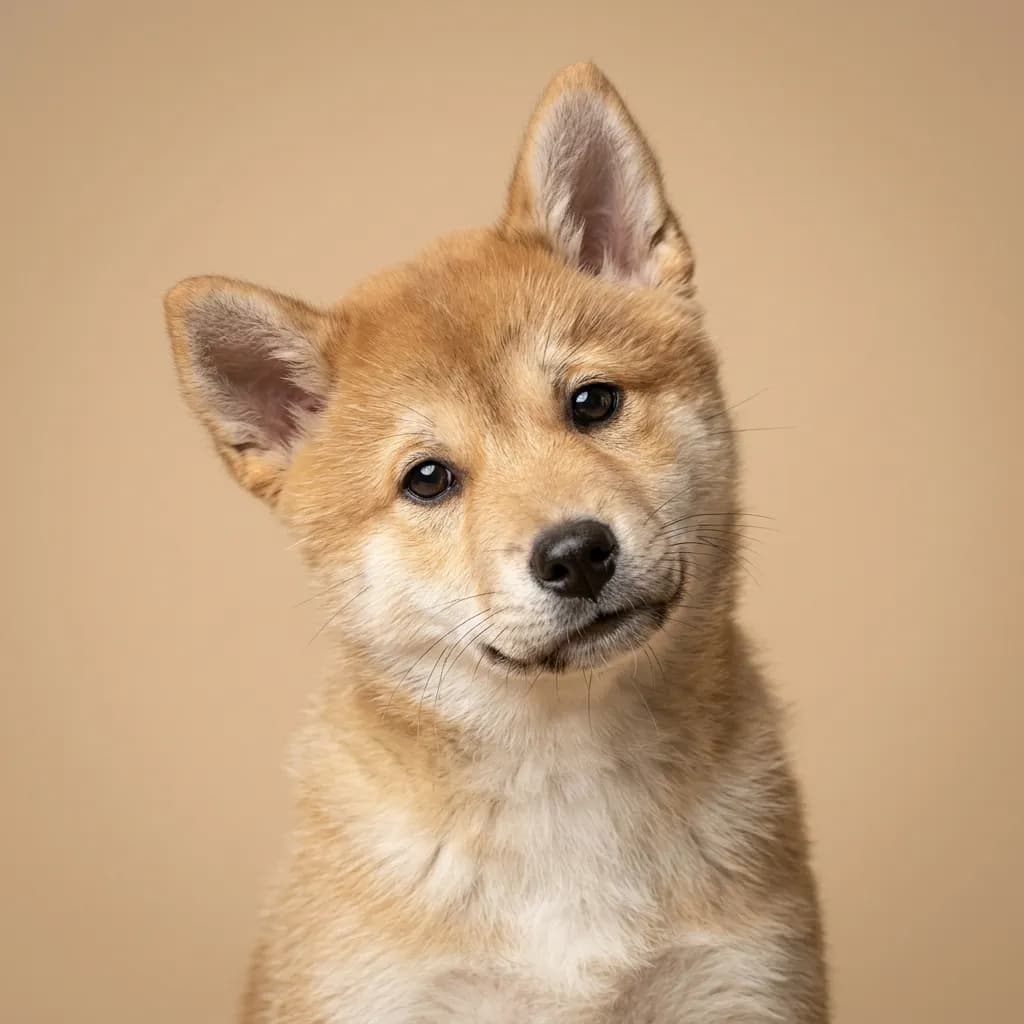
Not sure which breed fits your life?
Answer five questions about your home, your schedule, and your tolerance for shedding. We’ll match you to your top three breeds from over 200.
Chesapeake Bay Retriever vs Jindo
People compare Chesapeake Bay Retrievers and Jindos because both are independent, active dogs with a strong prey drive and a coat that handles harsh weather. On the surface, they seem like two sides of the same rugged coin. one bred for icy Atlantic waters, the other for rugged Korean mountains. But choosing between them isn’t about climate or coat. it’s about control and connection. The Chessie is a team player. Yeah, they’re sensitive and need consistent training, but they want to please. If you’re an active family who hunts, hikes, or lives near water, they’ll fit right in. They’re affectionate with their people, great in a yard, and surprisingly adaptable if you meet their energy needs. You’ll spend time brushing, no doubt. their wavy, oily coat sheds and smells if not maintained. but they’re trainable in ways that make life with kids and routines possible. Just don’t expect a couch potato. The Jindo is a different kind of loyal. They’re intelligent, sure, but they’re not trying to impress you. Bred to hunt solo on an island, they’ve got instincts you can’t always override. They bond deeply, but on their terms. They’re not for first-time owners because “come” might be optional, especially if a squirrel moves. They’re cleaner, smaller, and live a year longer, but their independence means you need space. rural, fenced, predictable. and experience reading dog behavior. Here’s the real difference: A Chessie will lean into your hand. A Jindo will decide when and if to offer theirs. Pick the Chessie if you want a devoted partner in adventure. Pick the Jindo only if you respect solitude. and know how to earn trust.
Trait-by-trait
Higher bar = more of that trait. Shedding, barking, drooling, grooming flipped for readability.Where they diverge
Choose the Chesapeake Bay Retriever if…
- Active families
- Hunters and waterfowlers
- Cold and wet climate owners
- You value adaptability — Chesapeake Bay Retriever scores noticeably higher.
Choose the Jindo if…
- Experienced dog owners
- Active individuals
- Families with older children
- You value watchdog / protective — Jindo scores higher here.