Chesapeake Bay Retriever vs Keeshond
Side-by-side comparison across all 14 AKC trait ratings, with a clear verdict on which breed fits which kind of household.
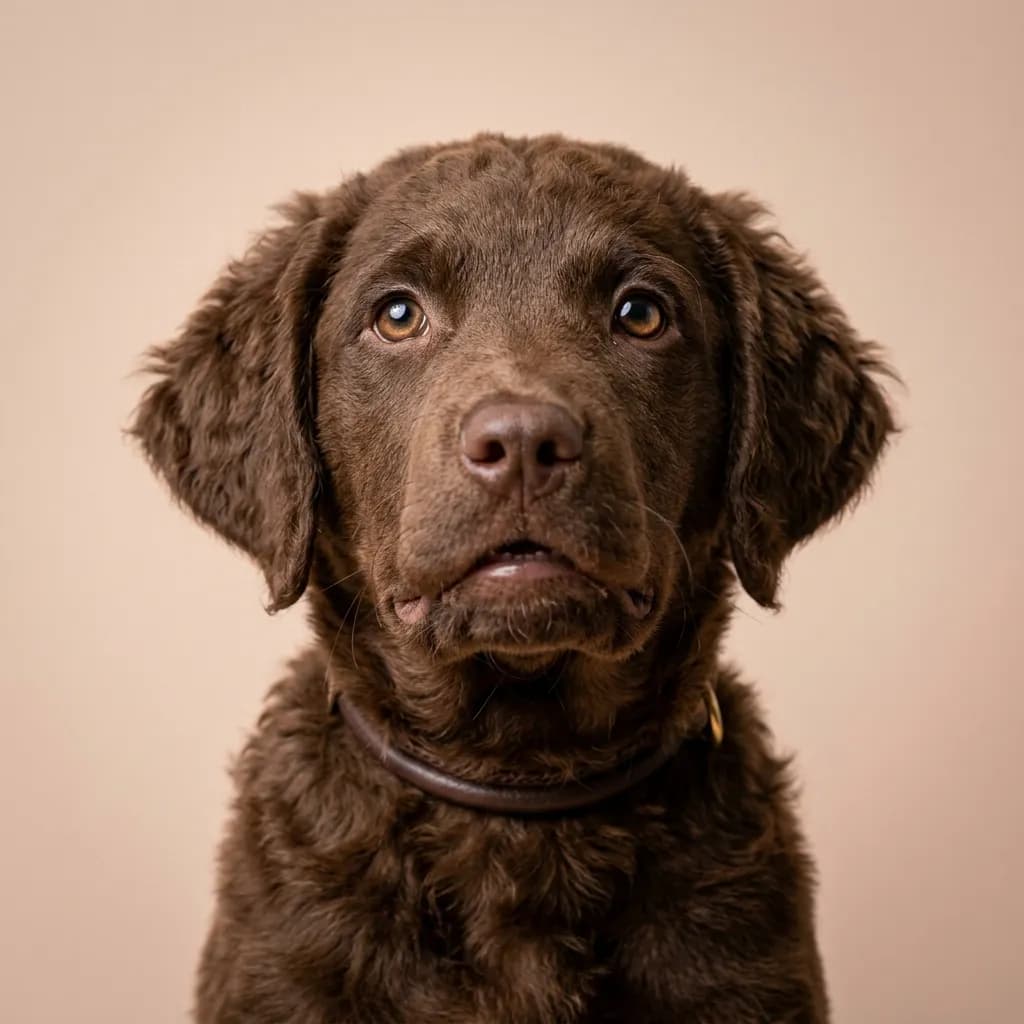
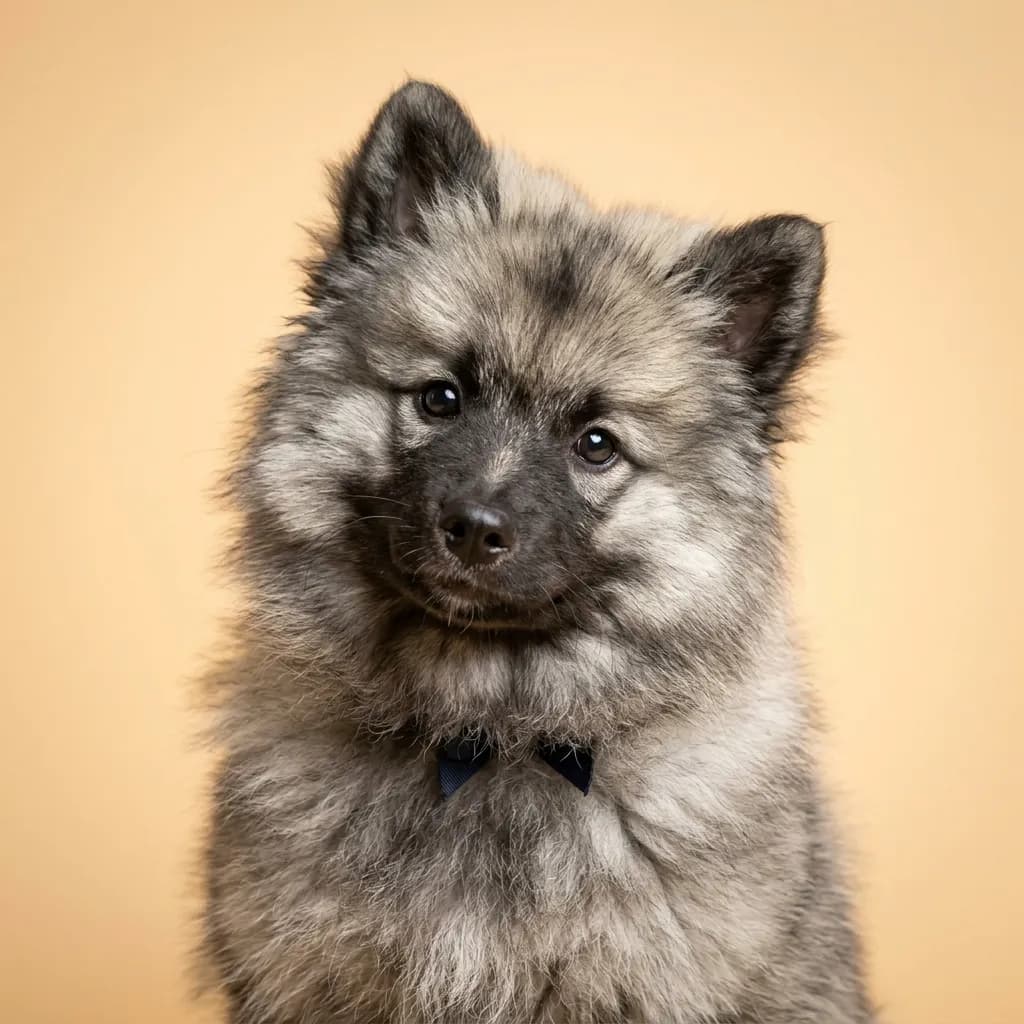
Not sure which breed fits your life?
Answer five questions about your home, your schedule, and your tolerance for shedding. We’ll match you to your top three breeds from over 200.
Chesapeake Bay Retriever vs Keeshond
You don’t see a Chesapeake Bay Retriever and a Keeshond compared every day, but when you do, it’s usually someone drawn to thick coats, expressive faces, and dogs that thrive in cold weather. Both are loyal, smart, and pack-oriented. But that’s where the similarities freeze in place. The Chessie is a working beast built for battle against icy waves and stubborn duck blinds. These dogs live for purpose. They’re intense, deeply bonded to their people, and need jobs. preferably involving water, space, and physical demand. You’ll love their quiet devotion, but don’t expect a couch ornament. They’re 80-pound bundles of controlled power who’ll shred a stuffed toy like it wronged them. They’re not the easiest with kids by default. not because they’re mean, but because they’re big, strong, and a little reserved. You need room, routine, and the willingness to keep them mentally and physically spent. The Keeshond, meanwhile, is the cheerful greeter of the neighborhood. With that fox-like face and plume of a tail, it was bred to bark at suspicious ducks on a barge, not retrieve them. But don’t underestimate its brains. This dog learns fast, loves people equally, and fits in apartments or homes alike. It’s the breed that’ll nap on your feet, then bounce up to alert you to the mailman’s shadow. Yes, they shed. expect tumbleweeds of fur in spring. and they’ll talk. A lot. But they’re adaptable, gentle with kids, and surprisingly resilient for first-time owners. Here’s the real difference: the Chessie needs a mission. The Keeshond just wants to be part of yours. Pick the Chessie if your life involves water, space, and stamina. Choose the Keeshond if you want a furry, chatty shadow who’s happy anywhere you are.
Trait-by-trait
Higher bar = more of that trait. Shedding, barking, drooling, grooming flipped for readability.Where they diverge
Choose the Chesapeake Bay Retriever if…
- Active families
- Hunters and waterfowlers
- Cold and wet climate owners
Choose the Keeshond if…
- Families with children
- Active owners
- Cold climates
- You value good with young children — Keeshond scores higher here.