Chesapeake Bay Retriever vs Mountain Cur
Side-by-side comparison across all 14 AKC trait ratings, with a clear verdict on which breed fits which kind of household.
Not sure which breed fits your life?
Answer five questions about your home, your schedule, and your tolerance for shedding. We’ll match you to your top three breeds from over 200.
Chesapeake Bay Retriever vs Mountain Cur
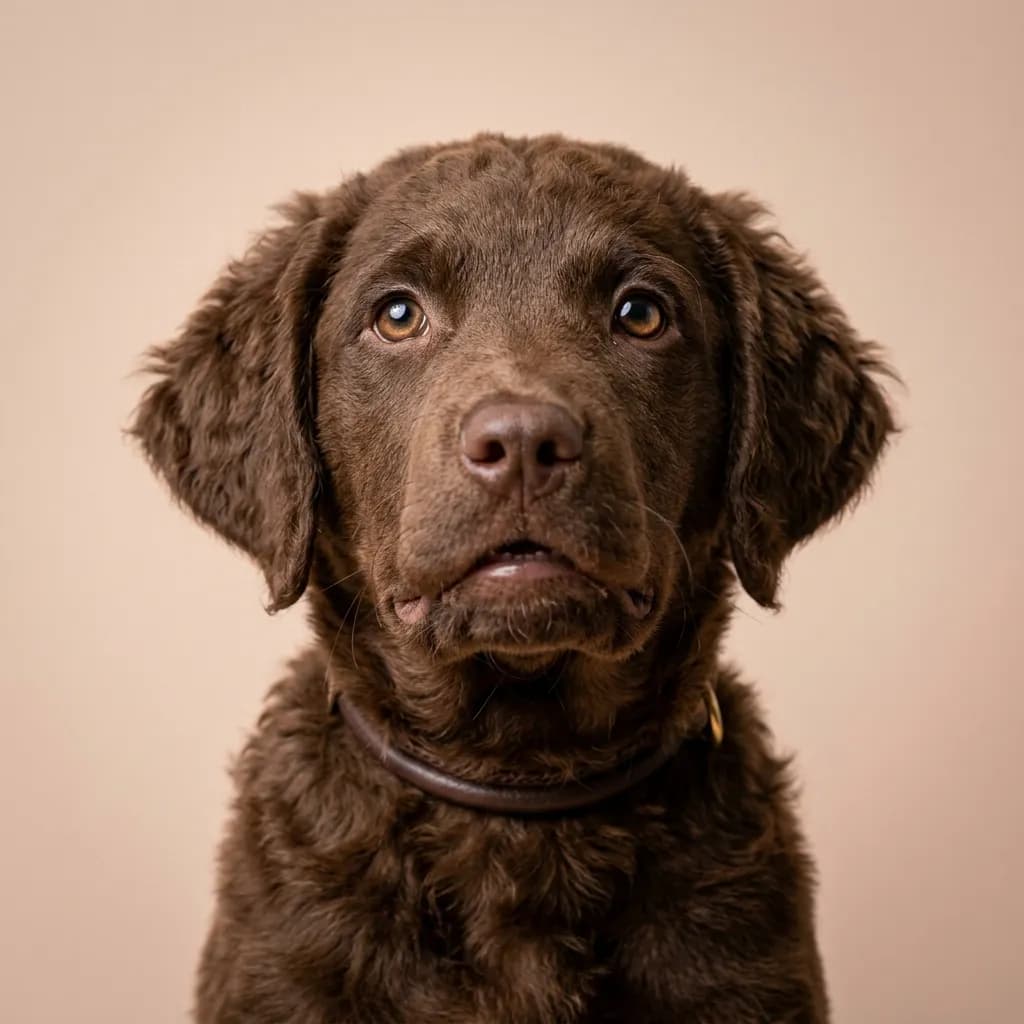
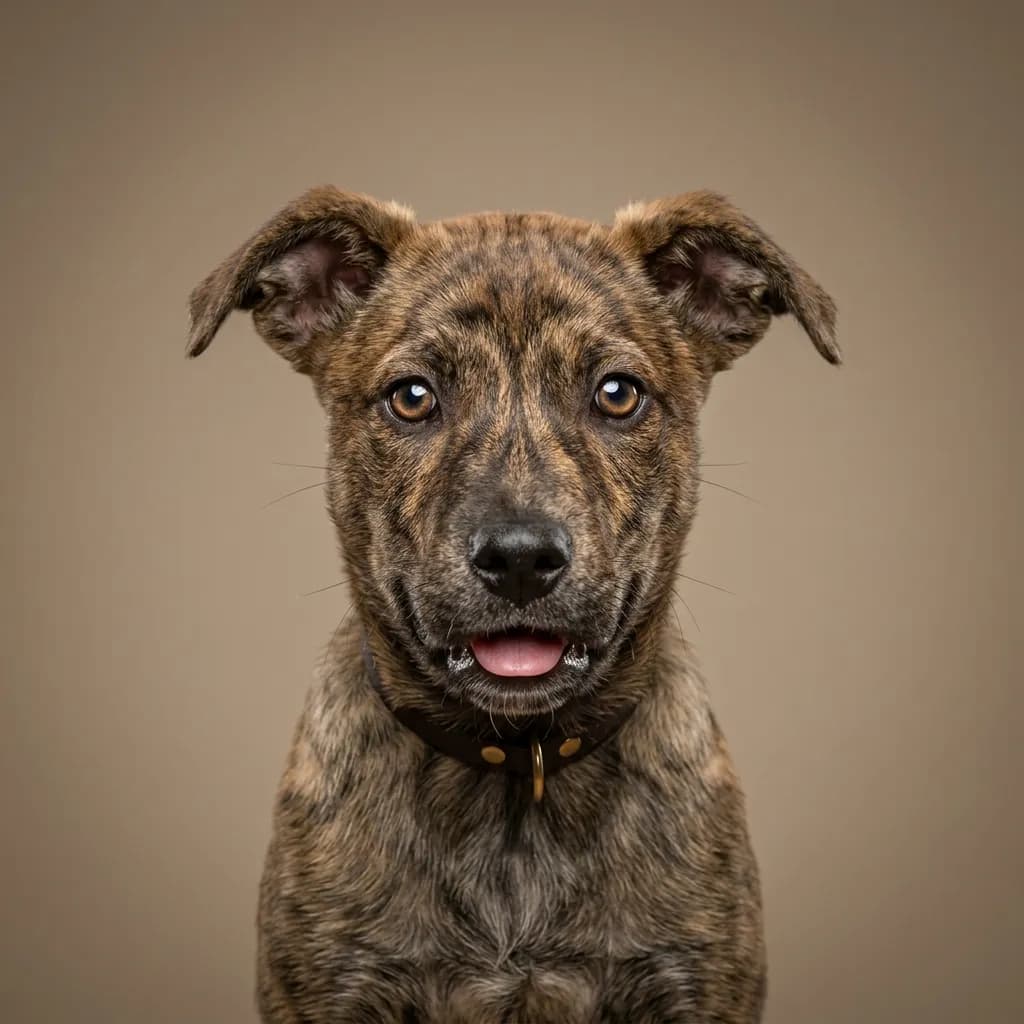
People compare Chesapeake Bay Retrievers and Mountain Curs because both are rugged, American-bred working dogs built for serious outdoor life. At first glance, they’re both loyal, energetic, and happiest when they’ve got a job. But that’s where the similarities end. If you're picturing weekend duck hunts, cold lake swims, and a dog that’ll happily trot beside you through sleet and snow, the Chessie is your partner. They’re tuned for water, with a dense, oily coat and a soft mouth for retrieving. They’re also more predictable with training. scoring high on trainability. and they bond deeply with their families. You’ll find they’re sensitive beneath that tough exterior, needing consistency and emotional stability. They can live with kids but won’t tolerate chaos. The Mountain Cur? This dog lives for the hunt in the hills. Bred to tree raccoons or trail bear, they’re relentless, independent, and sharp. They’re more aloof with strangers and won’t follow commands blindly like a Chessie. That makes them harder to train but invaluable if you need a dog that thinks for itself in the woods. They’re lighter, faster, and built for endurance over long terrain. Choose the Chessie if you want a devoted, trainable companion for waterfowling or active family life in a colder climate. Pick the Mountain Cur if you’re a seasoned handler who spends days in the backcountry and needs a self-reliant hunter. Here’s the real talk: neither dog does boredom well. But the Chessie will sulk if ignored; the Cur might just decide to run the pack himself. Know your role. leader or partner. before you bring one home.
Trait-by-trait
Higher bar = more of that trait. Shedding, barking, drooling, grooming flipped for readability.Where they diverge
Choose the Chesapeake Bay Retriever if…
- Active families
- Hunters and waterfowlers
- Cold and wet climate owners
- You value coat grooming — Chesapeake Bay Retriever scores noticeably higher.
Choose the Mountain Cur if…
- Active outdoor owners
- Hunters
- Rural or farm settings
- You value energy level — Mountain Cur scores higher here.