Chesapeake Bay Retriever vs Newfoundland
Side-by-side comparison across all 14 AKC trait ratings, with a clear verdict on which breed fits which kind of household.

Not sure which breed fits your life?
Answer five questions about your home, your schedule, and your tolerance for shedding. We’ll match you to your top three breeds from over 200.
Chesapeake Bay Retriever vs Newfoundland
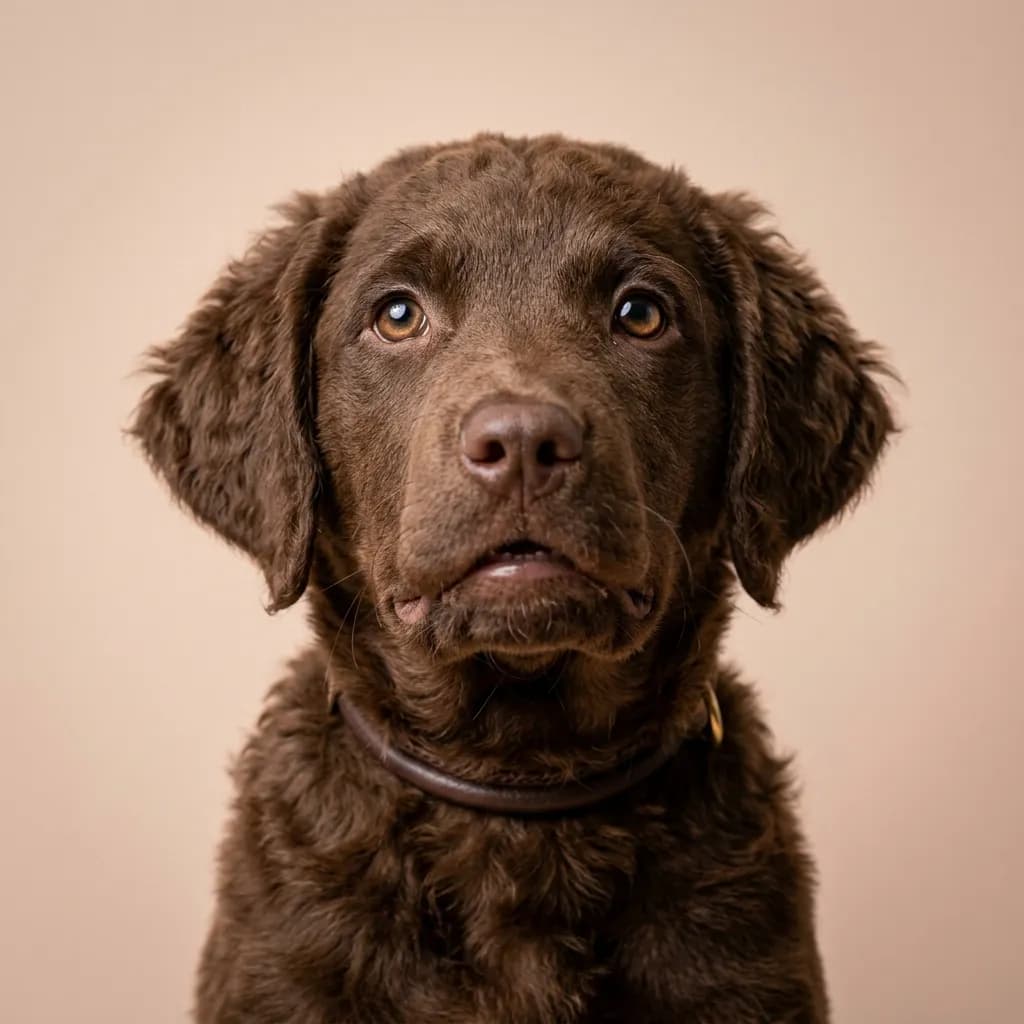
People compare Chesapeake Bay Retrievers and Newfoundlands because both are big, water-loving dogs built for cold climates and rugged outdoor work. At first glance, they seem like variations on a theme. But live with either, and you’ll quickly realize they’re built for different rhythms of human life. The Chessie is the athlete, coiled with energy and sharp focus. At 55 to 80 pounds, it’s no lightweight, but it moves with purpose. Bred to power through icy waves and retrieve ducks all day, it wants a job. whether that’s field work, advanced obedience, or long, challenging hikes. It’s bright and trainable, yes, but also sensitive. Push too hard, and it shuts down. It’s affectionate on its terms, usually one person’s shadow. You’ll need space, time, and consistency. First-time owners? It’ll expose your weaknesses. The Newfoundland is the gentle anchor. At 100 to 150 pounds, this dog fills a room. not just physically, but emotionally. It’s the dog that lets toddlers climb on it, calmly plucks a struggling swimmer from the water, and drools on your couch with zero remorse. It’s not lazy, but its energy is measured, its pace deliberate. Training works best with patience and soft praise. It’ll follow you into a lake, but probably won’t race back out. Here’s the real difference: the Chessie needs to be led, the Newfoundland wants to support. If you’re active, experienced, and want a driven partner, go Chesapeake. If you want a serene, kid-loving giant who thrives on being part of a family’s daily pulse, choose Newfoundland. Just be ready for the drool bucket. and the vet bills. Both breeds face serious health issues, and that lifespan difference? It’s a gut punch. Newfoundlands rarely see 10 years. You fall hard, and you don’t get much time.
Trait-by-trait
Higher bar = more of that trait. Shedding, barking, drooling, grooming flipped for readability.Where they diverge
Choose the Chesapeake Bay Retriever if…
- Active families
- Hunters and waterfowlers
- Cold and wet climate owners
- You value trainability — Chesapeake Bay Retriever scores noticeably higher.
Choose the Newfoundland if…
- Families with children
- Water and outdoor enthusiasts
- Those wanting a gentle giant
- You value drooling level — Newfoundland scores higher here.