Chesapeake Bay Retriever vs Norrbottenspets
Side-by-side comparison across all 14 AKC trait ratings, with a clear verdict on which breed fits which kind of household.
Not sure which breed fits your life?
Answer five questions about your home, your schedule, and your tolerance for shedding. We’ll match you to your top three breeds from over 200.
Chesapeake Bay Retriever vs Norrbottenspets
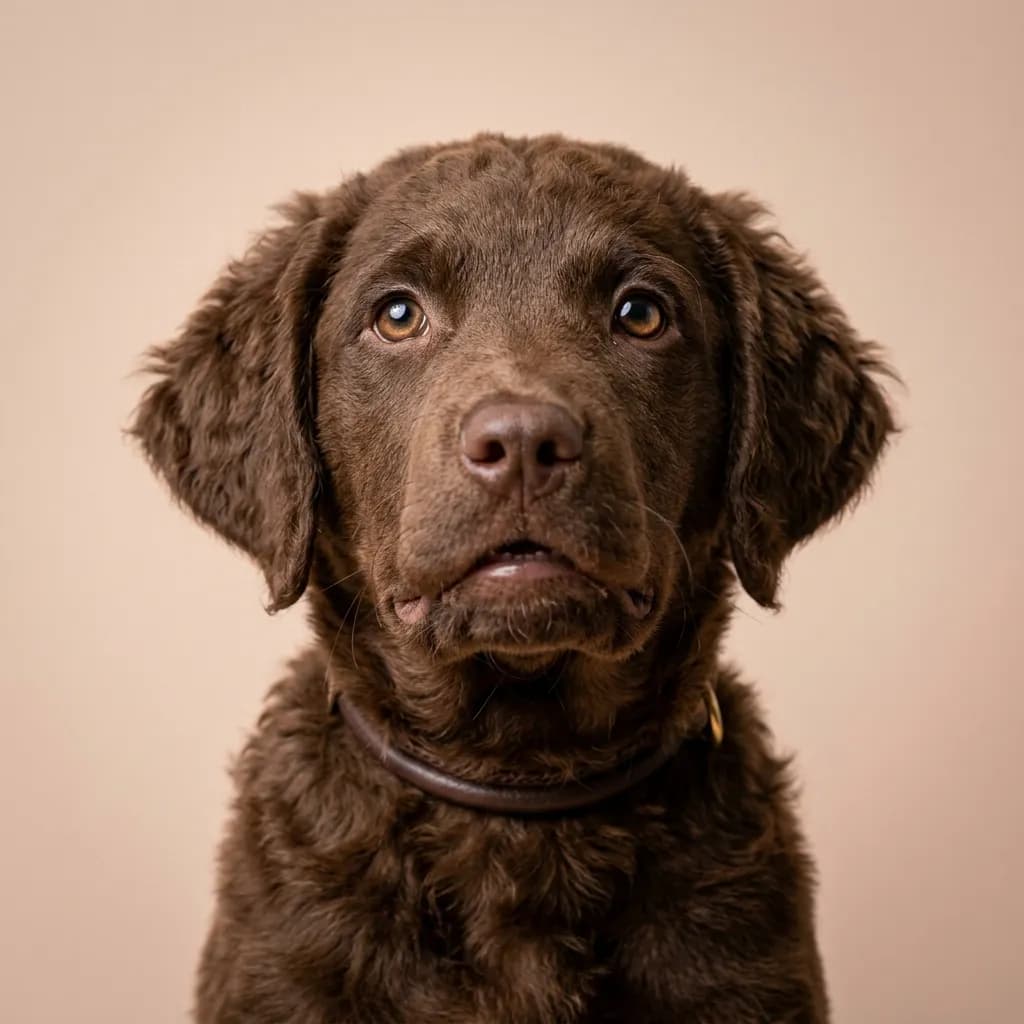
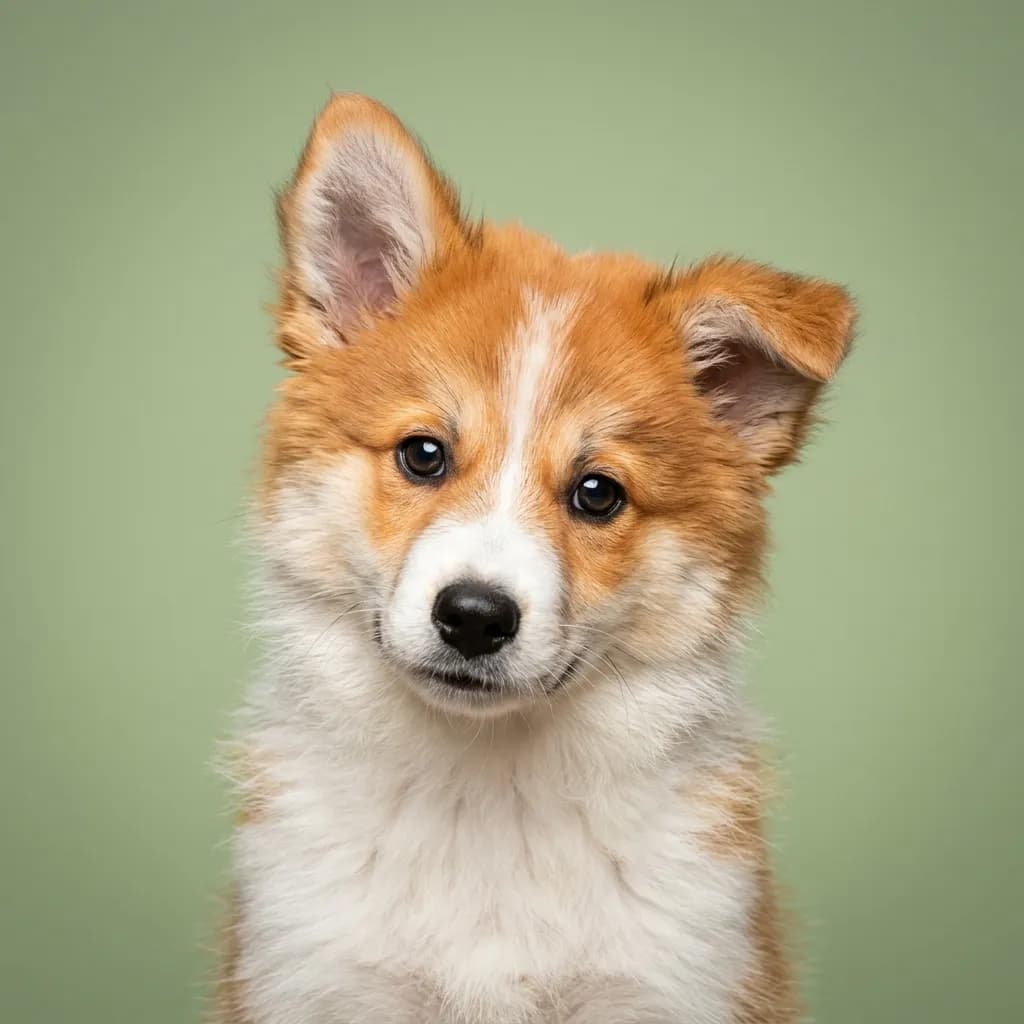
People compare these two because they’re both energetic, cold-weather dogs with a nose for adventure and a thick double coat that laughs at snow. But that’s where the story splits. The Chessie is the powerlifter with a heart of gold. built to haul ducks through icy surf, loyal to its family, and intensely tuned in to human emotion. The Norrbottenspets is the nimble forest ghost, bred to zip between pines and tree squirrels, alert and sharp, with a mind that’s always two steps ahead. If you’re an active family who hunts, camps, or lives near water, the Chessie fits like a glove. They’re bigger, sturdier, and thrive when they’ve got a job. especially one involving water and retrieval. But they’re sensitive. Mess with their routine or train heavy-handed, and they shut down. They’re not for first-time owners because they need consistent, thoughtful leadership. The Norrbottenspets? This dog’s for someone who appreciates a Nordic puzzle. They’re fearless but not pushy, affectionate but not clingy. They bond deeply but won’t follow you to the bathroom. And here’s the real insight: they’re independent problem solvers. That means they’ll figure out how to open the gate before you figure out how to train them not to. Great for dog-sport enthusiasts, not so great if you want a dog that defaults to looking at you for direction. Size matters here. The Chessie is double the weight of the Spets. If you’ve got space and weather that bites, go Chessie. If you want a compact, agile hunter with a touch of wild in its eyes and a longer lifespan, the Spets might just steal your winter.
Trait-by-trait
Higher bar = more of that trait. Shedding, barking, drooling, grooming flipped for readability.Where they diverge
Choose the Chesapeake Bay Retriever if…
- Active families
- Hunters and waterfowlers
- Cold and wet climate owners
- You value coat grooming — Chesapeake Bay Retriever scores noticeably higher.
Choose the Norrbottenspets if…
- hunters
- active families
- cold climate owners