Chesapeake Bay Retriever vs Puli
Side-by-side comparison across all 14 AKC trait ratings, with a clear verdict on which breed fits which kind of household.
Not sure which breed fits your life?
Answer five questions about your home, your schedule, and your tolerance for shedding. We’ll match you to your top three breeds from over 200.
Chesapeake Bay Retriever vs Puli
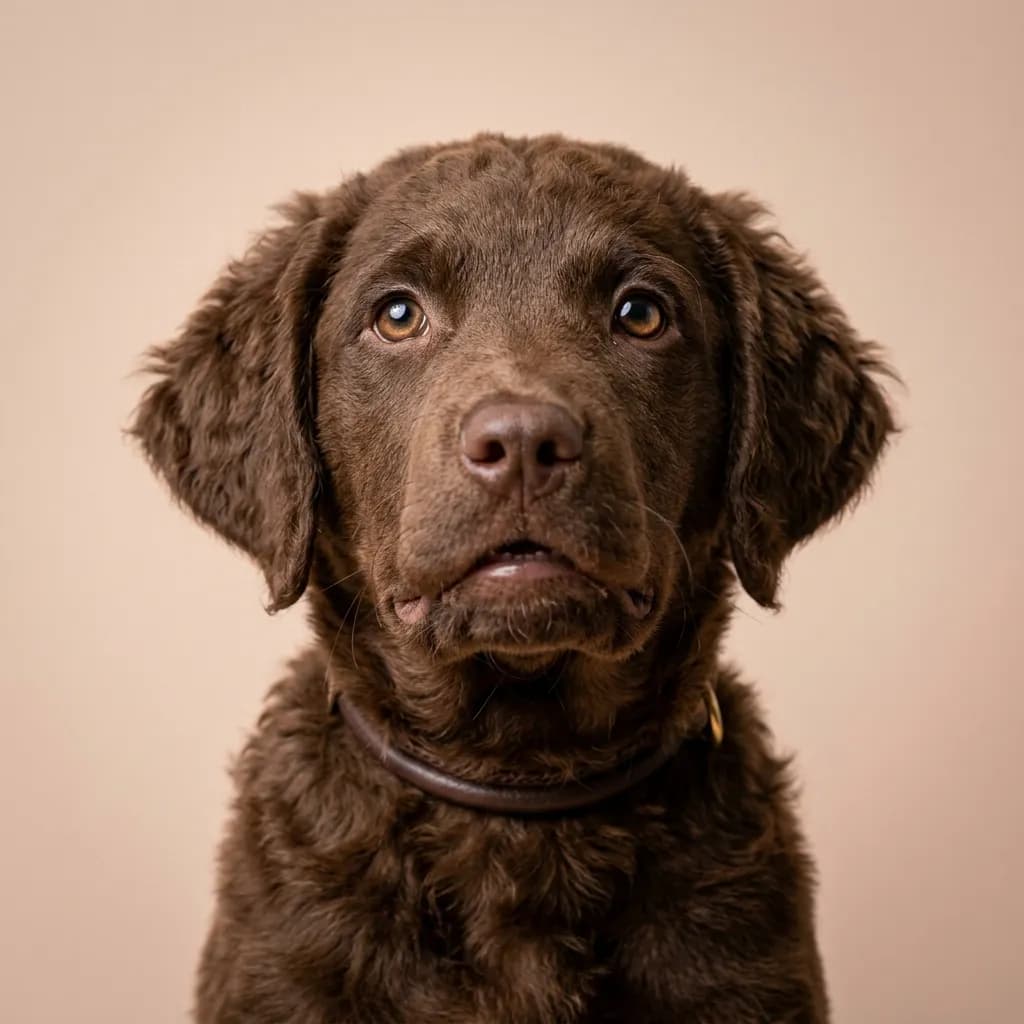
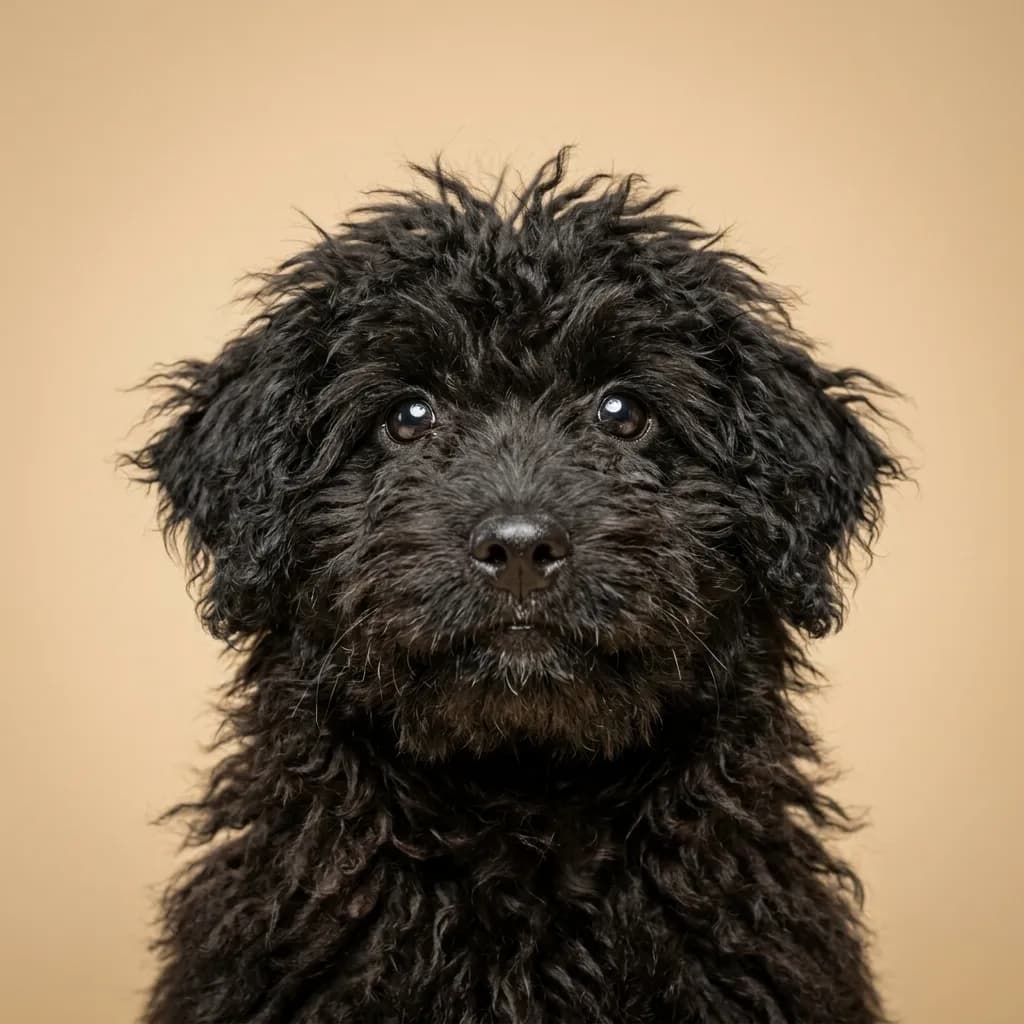
You don’t see a Chessie and a Puli side by side at the dog park every day, but people compare them because both are intense, intelligent dogs with strong personalities and unusual looks. Both demand engagement. But that’s where the similarities end. The Chessie is a powerhouse built for cold water and hard work. You’ll feel their energy the second they bound into your life. this is a dog that needs miles of swimming, long hikes, or serious backyard play. They’re affectionate with family but reserved with strangers, and they bond deeply. Their wavy, water-resistant coat sheds moderately and needs regular brushing, but it’s nothing compared to the Puli’s dreadlocks. Ah, the Puli. That coat isn’t just styling. it’s a commitment. From puppyhood, their cords form and must be separated by hand, a weekly ritual that takes hours. Skip it, and you’ll face matted frustration. But if you’re drawn to a dog that turns heads and thrives on routine, the Puli’s sharp mind and alert nature fit like a glove. They were bred to think, to work flocks, and they still need jobs. puzzle toys, obedience, agility. Families with space and an active lifestyle might lean Chessie. But if you’re experienced, home often, and love a grooming project that doubles as a herding genius, the Puli sings. Here’s the real talk: neither dog forgives neglect. But the one thing no breeder or chart will tell you? The Puli’s cords trap more than dirt. they trap time. You’re not just committing to a dog. You’re committing to a daily ritual that bonds you, like grooming a horse or tending a garden. With the Chessie, the bond comes through adventure. With the Puli, it comes through care. Pick your kind of love.
Trait-by-trait
Higher bar = more of that trait. Shedding, barking, drooling, grooming flipped for readability.Where they diverge
Choose the Chesapeake Bay Retriever if…
- Active families
- Hunters and waterfowlers
- Cold and wet climate owners
- You value shedding level — Chesapeake Bay Retriever scores noticeably higher.
Choose the Puli if…
- Active families
- Experienced dog owners
- Those wanting a unique coat
- You value coat grooming — Puli scores higher here.