Chesapeake Bay Retriever vs Pyrenean Shepherd
Side-by-side comparison across all 14 AKC trait ratings, with a clear verdict on which breed fits which kind of household.
Not sure which breed fits your life?
Answer five questions about your home, your schedule, and your tolerance for shedding. We’ll match you to your top three breeds from over 200.
Chesapeake Bay Retriever vs Pyrenean Shepherd
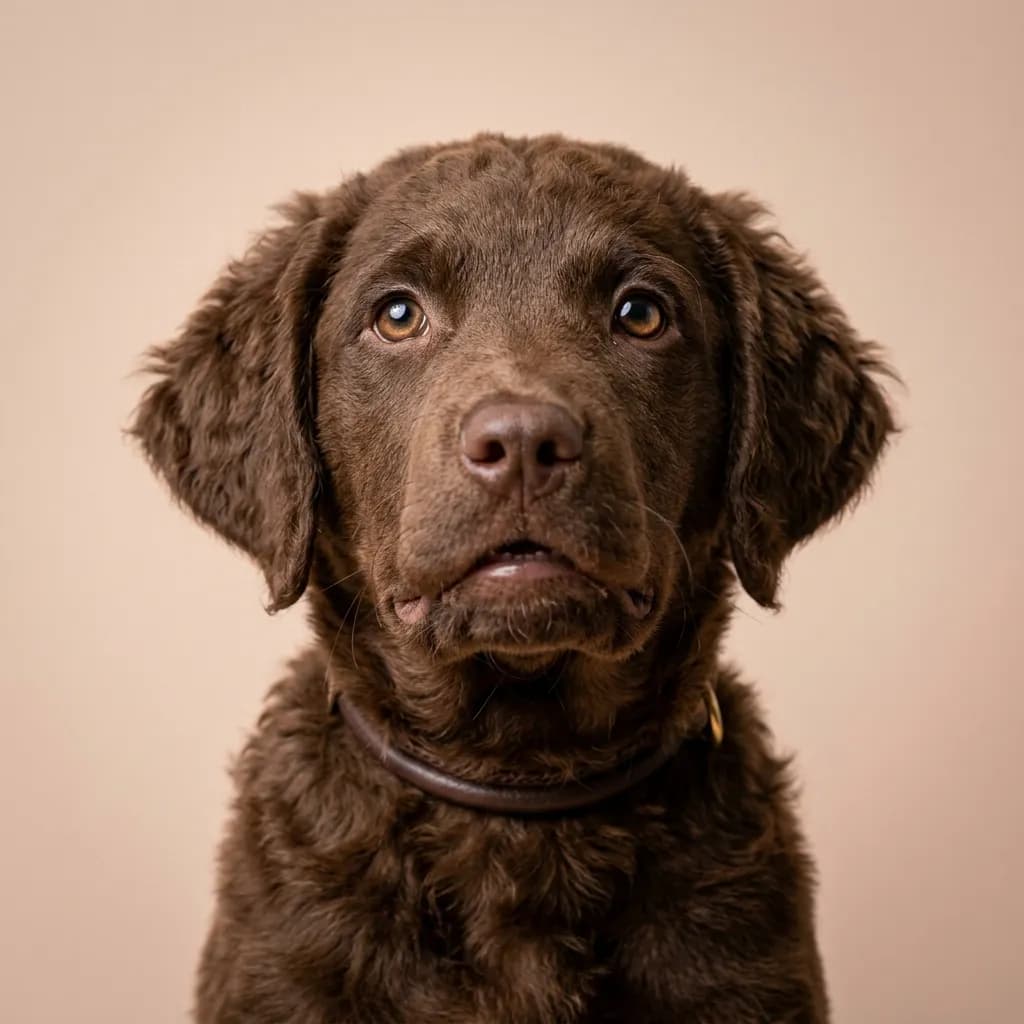
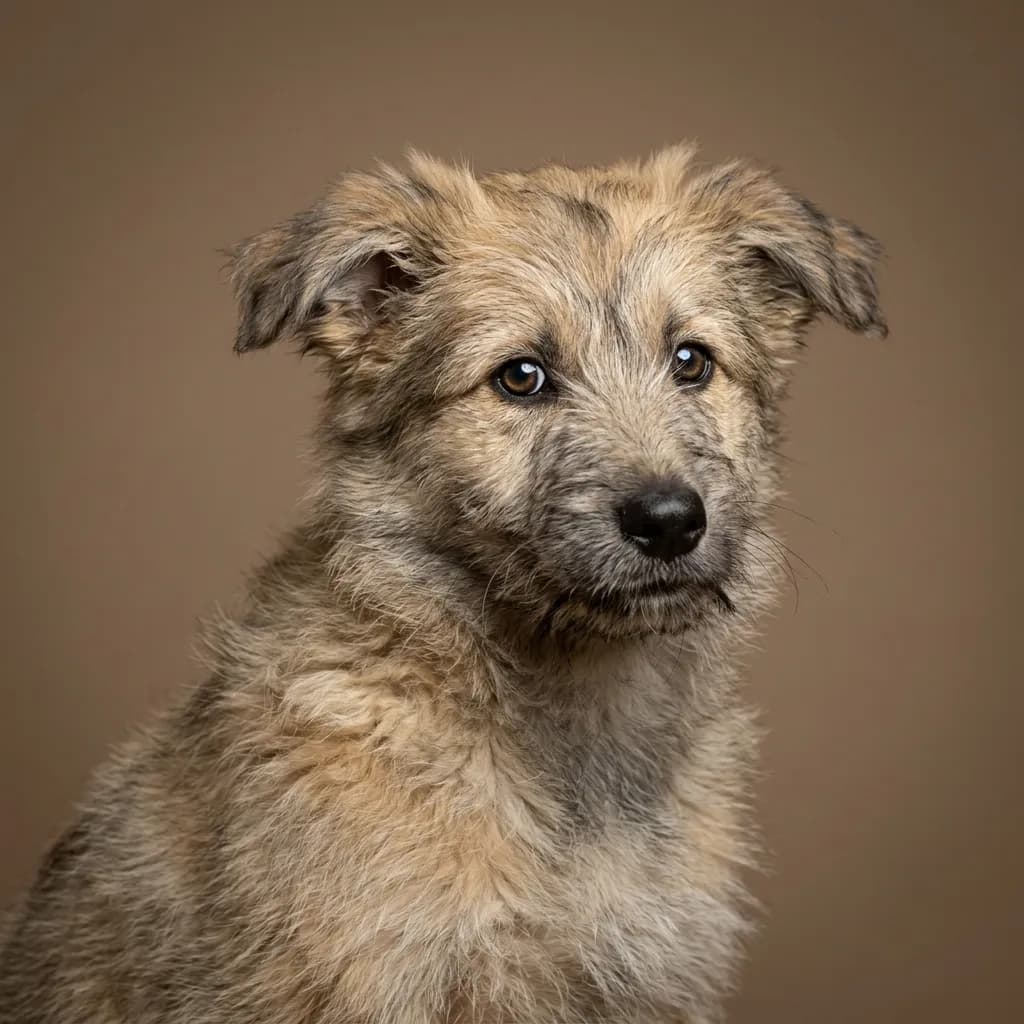
You don’t see many people trying to choose between a Chessie and a Pyrenean Shepherd. they come from different worlds. One’s a thick-coated, boat-sinking water dog built for icy waves; the other’s a wiry, lightning-fast mountain herder who thinks in puzzles. But if you’re active, outdoorsy, and want a brainy dog that thrives on purpose, you might find yourself torn. Here’s the real difference: the Chessie is a steady partner, loyal and affectionate with a quiet confidence. It’s happiest when it has a job near water. fetching, swimming, guarding the yard. It’s strong, bold, and bonds deeply with its family. But it’s not small, and it’s not subtle. You’ll need space, cold weather tolerance, and the time to burn off that 4/5 energy. The Pyrenean Shepherd? This dog lives to work with you, not just beside you. It’s 15 to 30 pounds of coiled energy, always watching, always thinking. If you’re into agility, herding trials, or just want a dog that learns a trick in three repetitions, this is your breed. But it demands mental stimulation like air. Leave it alone or under-stimulated and it’ll find its own job. usually involving your couch or the neighbor’s cat. Pick the Chessie if you want a rugged, affectionate guardian for an active outdoor life. Pick the Pyrenean Shepherd if you want a four-legged co-pilot who’s always one step ahead mentally. Here’s the unspoken truth: both are too smart for casual ownership. But the Pyrenean Shepherd doesn’t just need a job. it needs a mission. And if you can’t give it one, it’ll invent something you won’t like.
Trait-by-trait
Higher bar = more of that trait. Shedding, barking, drooling, grooming flipped for readability.Where they diverge
Choose the Chesapeake Bay Retriever if…
- Active families
- Hunters and waterfowlers
- Cold and wet climate owners
- You value coat grooming — Chesapeake Bay Retriever scores noticeably higher.
Choose the Pyrenean Shepherd if…
- Highly active owners
- Dog sports enthusiasts
- Herding enthusiasts
- You value playfulness — Pyrenean Shepherd scores higher here.