Chesapeake Bay Retriever vs Schipperke
Side-by-side comparison across all 14 AKC trait ratings, with a clear verdict on which breed fits which kind of household.
Not sure which breed fits your life?
Answer five questions about your home, your schedule, and your tolerance for shedding. We’ll match you to your top three breeds from over 200.
Chesapeake Bay Retriever vs Schipperke
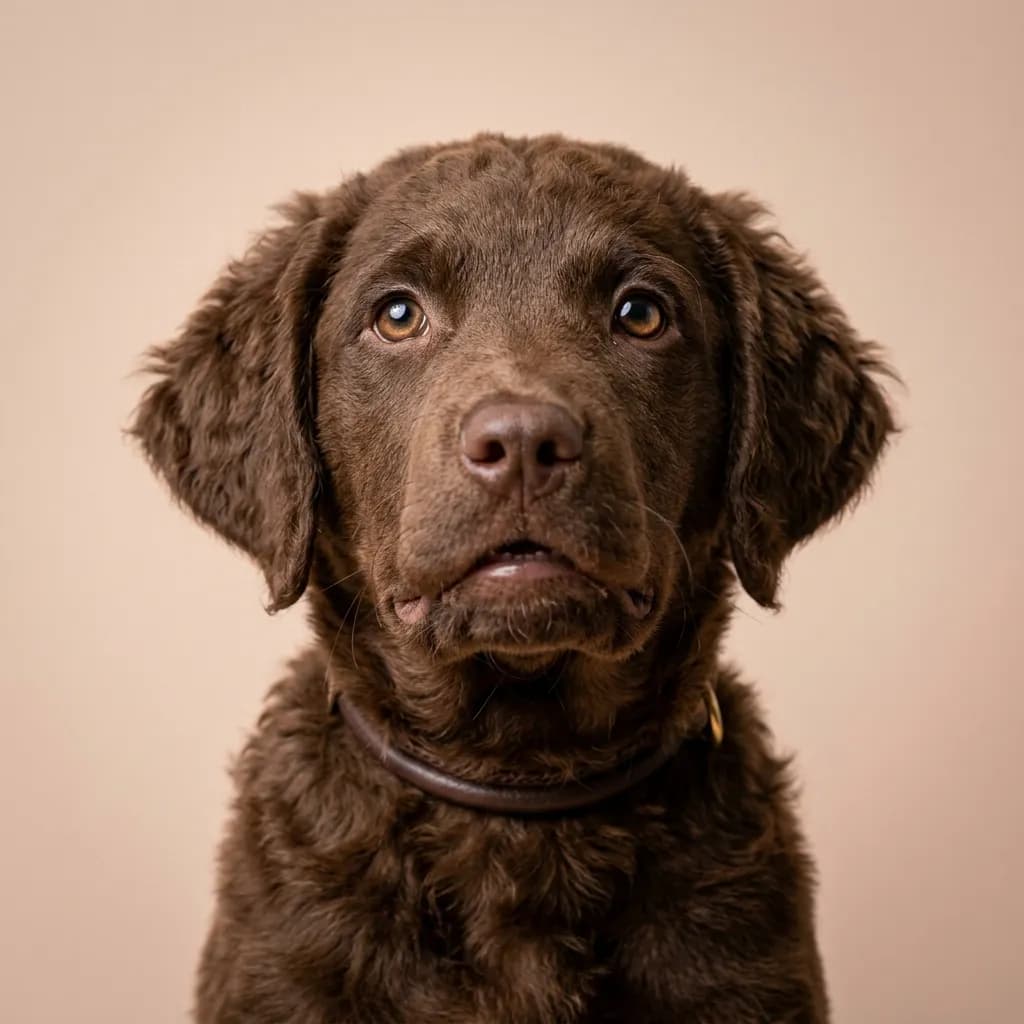
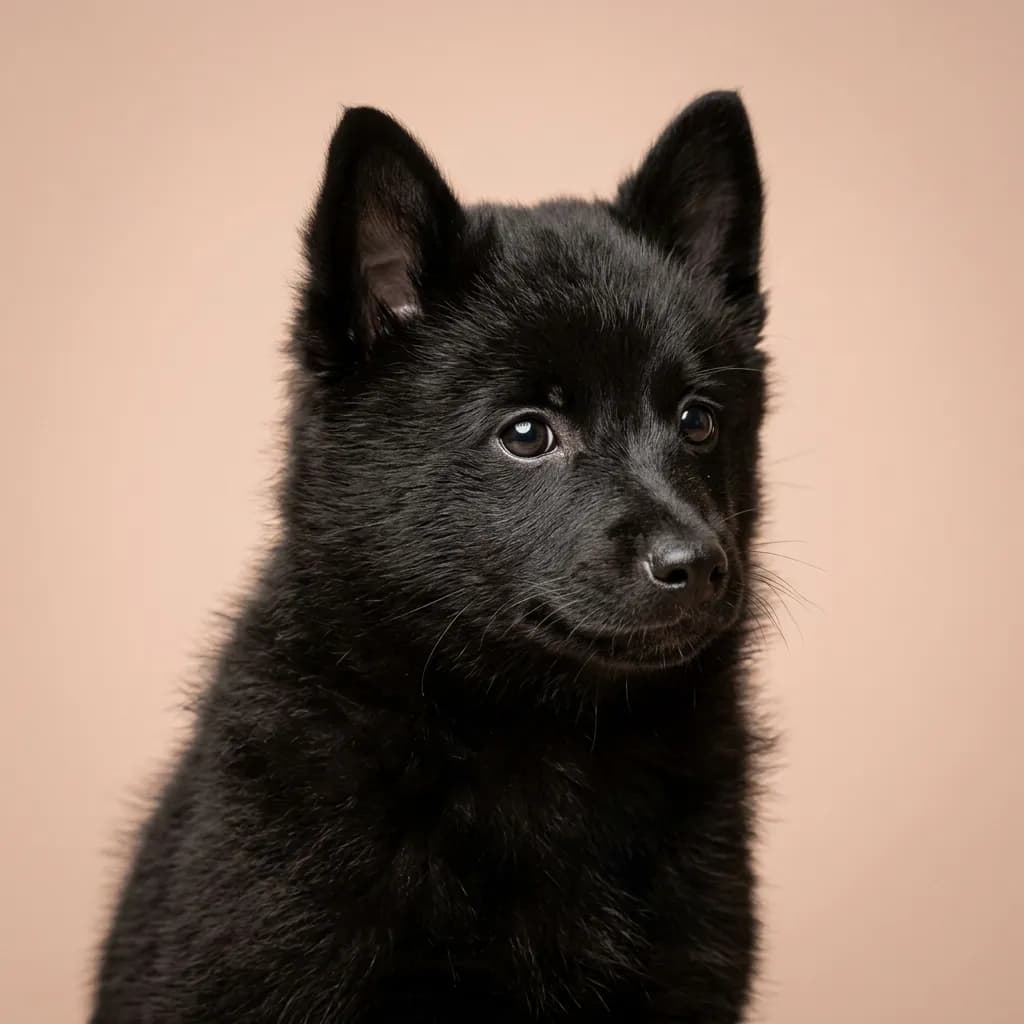
People compare the Chesapeake Bay Retriever and the Schipperke because both are bold, independent, and surprisingly protective for their different sizes. but that’s where the similarities end. You’re not choosing between two retrievers or two lapdogs. You’re deciding whether you want a furry, 70-pound force of nature built for icy waves or a 12-pound, pointy-eared shadow with a Napoleon complex. The Chessie is a working machine. Bred to haul ducks from freezing Chesapeake waters, it thrives on tasks, cold weather, and space to burn energy. It’s affectionate with its family but reserved with strangers, highly trainable, and needs serious outdoor access. If you’re hunting, hiking, or living near a lake in Minnesota, this dog will be your partner. But if you live in a condo or don’t have two hours a day for exercise and coat maintenance, it’ll turn your house into a chew zone. The Schipperke, meanwhile, is the tiny watchdog with a megaphone. It doesn’t fetch ducks. it used to guard Belgian canal boats and chase rats. It’s curious, fearless, and barks at everything. It adapts well to smaller homes but needs mental engagement and early socialization or it’ll become a yappy tyrant. It bonds fiercely to its person and will follow you like a furry stalker. Here’s the real talk: neither is truly better with young kids. Chessies are big and rambunctious; Schipperkes can be snappy with quick movements. But if you want loyalty with intensity, go Chessie for space and stamina, Schipperke for spark and spunk. Just know. the Schipperke may not fetch your slippers, but it’ll bark at them first.
Trait-by-trait
Higher bar = more of that trait. Shedding, barking, drooling, grooming flipped for readability.Where they diverge
Choose the Chesapeake Bay Retriever if…
- Active families
- Hunters and waterfowlers
- Cold and wet climate owners
- You value coat grooming — Chesapeake Bay Retriever scores noticeably higher.
Choose the Schipperke if…
- Active owners
- Those wanting a small but bold breed
- Suburban or rural settings
- You value affectionate w/ family — Schipperke scores higher here.