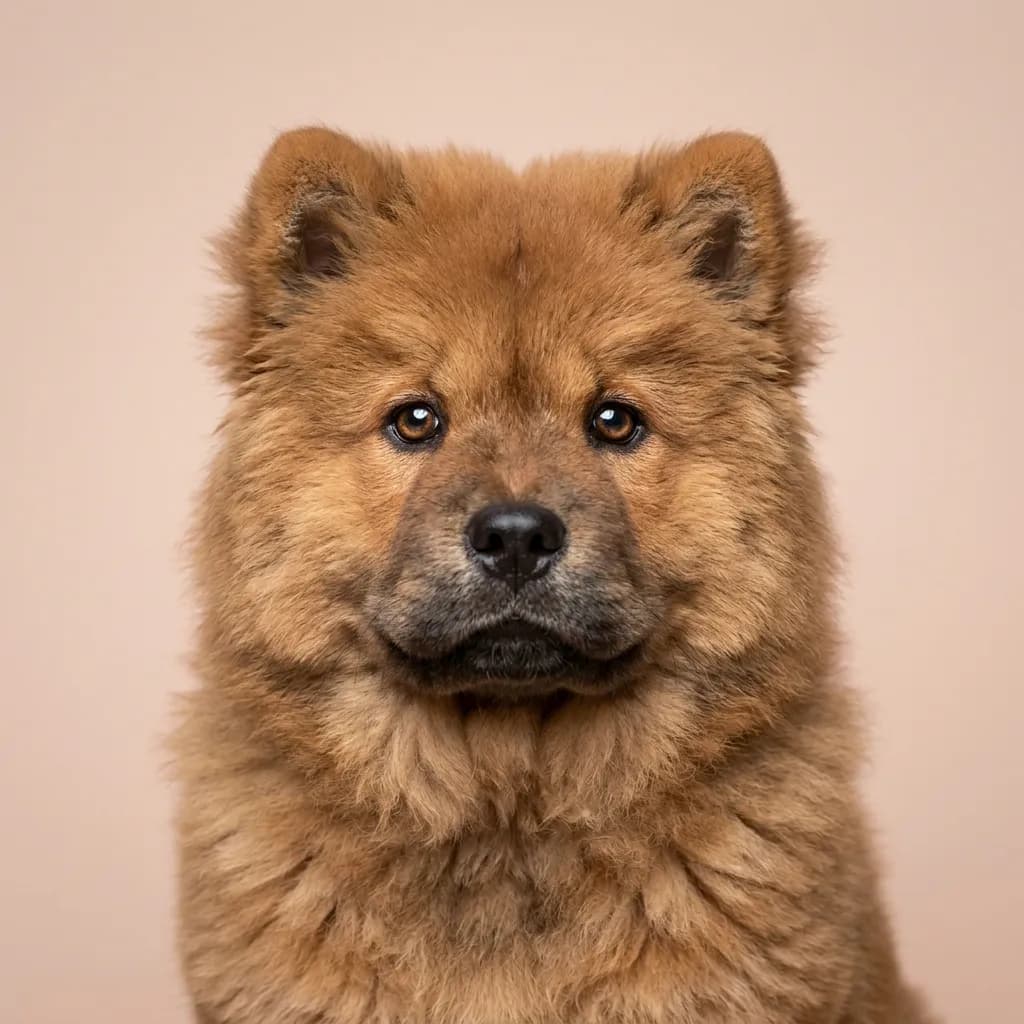
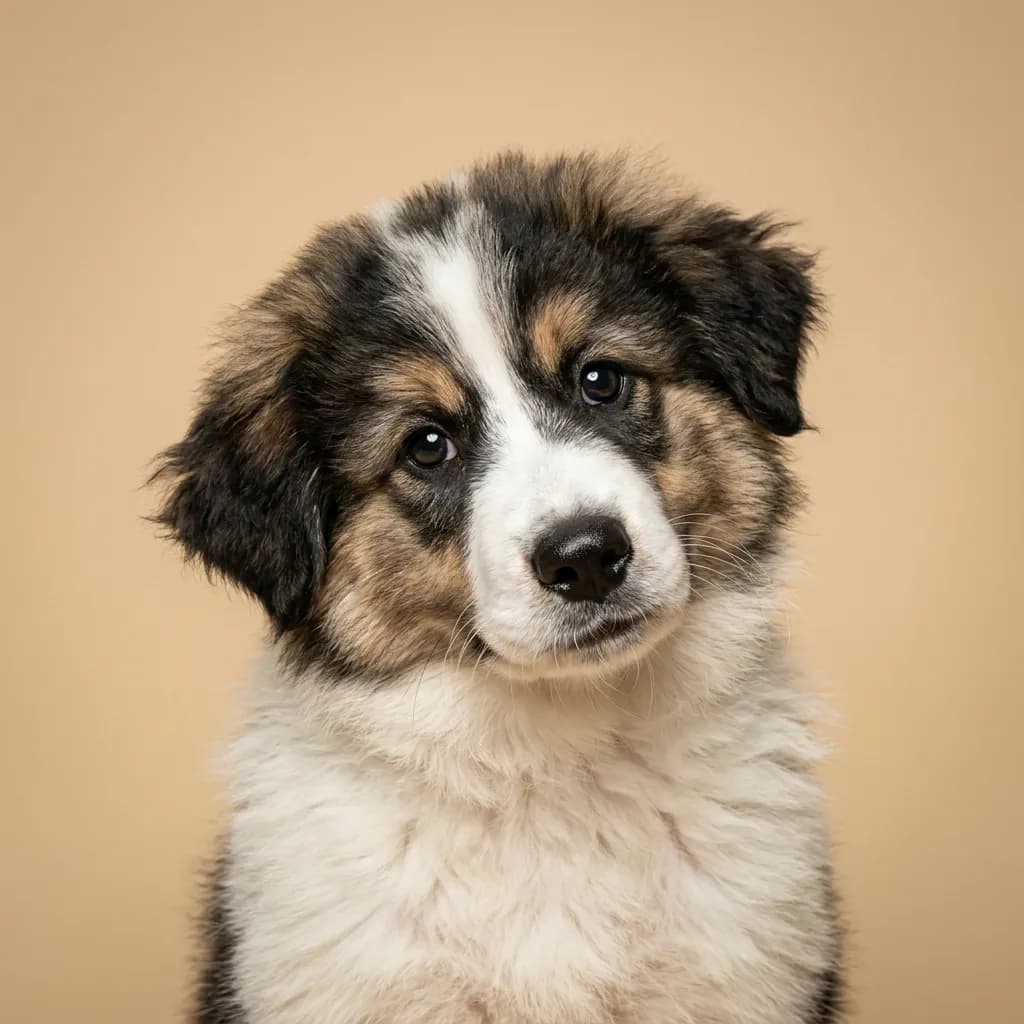
Chow Chow vs Tornjak
Side-by-side comparison across all 14 AKC trait ratings, with a clear verdict on which breed fits which kind of household.
Not sure which breed fits your life?
Answer five questions about your home, your schedule, and your tolerance for shedding. We’ll match you to your top three breeds from over 200.
Chow Chow vs Tornjak
You’re not going to find these two on a lot of “best friends” lists, but if you’re comparing a Chow Chow and a Tornjak, you’re likely drawn to noble, ancient breeds that look like they stepped out of a history book. People lump them together because they’re both big, thick-coated, and serious-minded. But that’s where the similarities end. The Chow Chow is like that aloof poet who lives next door. regal, reserved, deeply loyal to one or two people, and not particularly interested in making new friends. It’s happiest in a quiet home with a routine, and it won’t pester you with barking, but good luck convincing it to fetch or sit on cue. This is a dog that knows what it thinks, and it’s not easily swayed. The Tornjak, on the other hand, was born on rugged mountain farms, guarding flocks from wolves. It’s bigger. often over 100 pounds. more vocal, and wired for vigilance. If the Chow is a philosopher, the Tornjak is a watchman. You’ll need space, a job for it to do, and the patience to handle a dog that’s always “on.” The real difference? Purpose. Chow Chows were companions and multi-taskers in imperial China, bred for independence. Tornjaks were guardians, bred to make decisions alone on remote pastures. That independence turns into wariness in both, but the Tornjak’s job was defending, so it’s quicker to sound off and stand ground. Here’s the honest truth: neither is for beginners. But if you live in the city or want a calm housemate, go Chow. If you’ve got land, livestock, or a cold northern climate and want a devoted protector, the Tornjak might fit. Just don’t expect either to act happy about it. These dogs don’t do performative joy. they do loyalty, quiet presence, and a kind of old-soul seriousness most modern life lacks.
Trait-by-trait
Higher bar = more of that trait. Shedding, barking, drooling, grooming flipped for readability.Where they diverge
Choose the Chow Chow if…
- Experienced dog owners
- Less active households
- Adults-only homes
- You value good with other dogs — Chow Chow scores noticeably higher.
Choose the Tornjak if…
- Experienced large-breed owners
- Farm or rural settings
- Livestock guardian needs
- You value barking level — Tornjak scores higher here.