Curly-Coated Retriever vs Havanese
Side-by-side comparison across all 14 AKC trait ratings, with a clear verdict on which breed fits which kind of household.
Not sure which breed fits your life?
Answer five questions about your home, your schedule, and your tolerance for shedding. We’ll match you to your top three breeds from over 200.
Curly-Coated Retriever vs Havanese
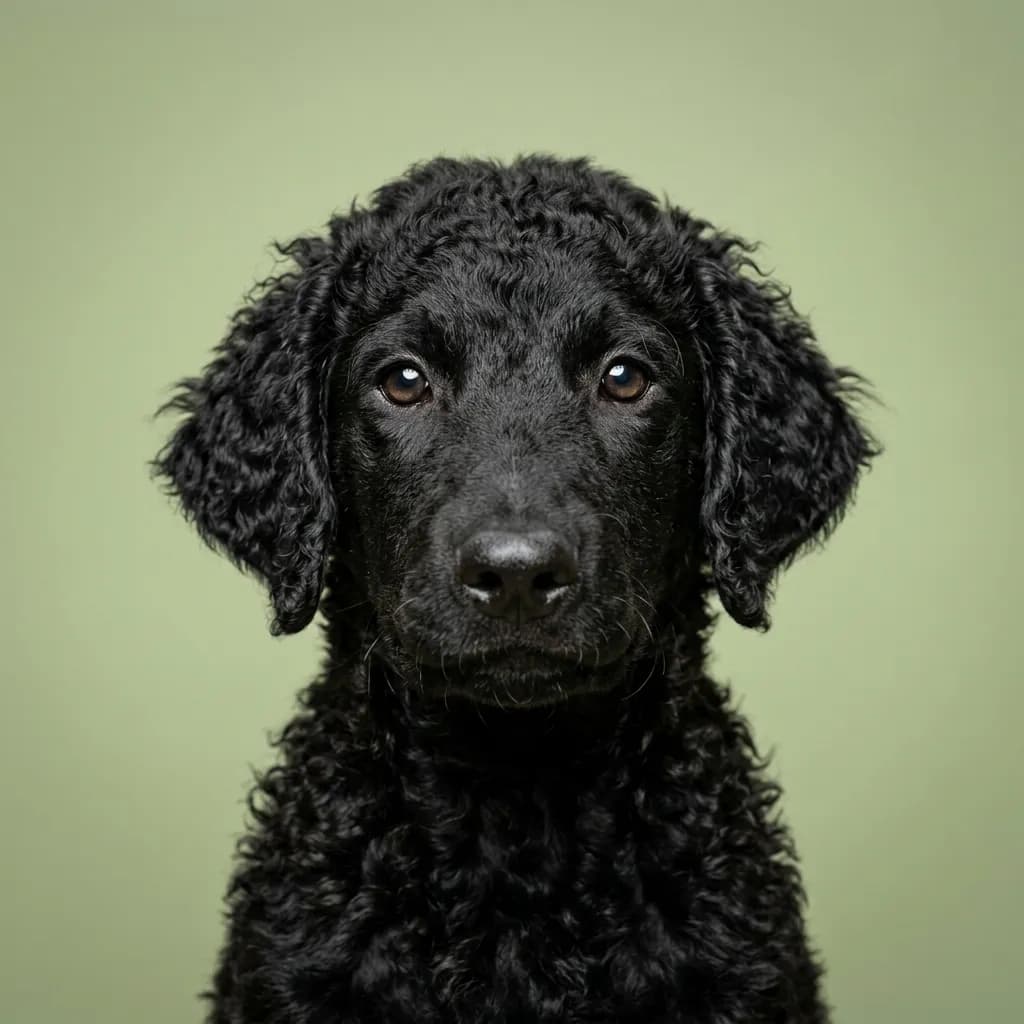
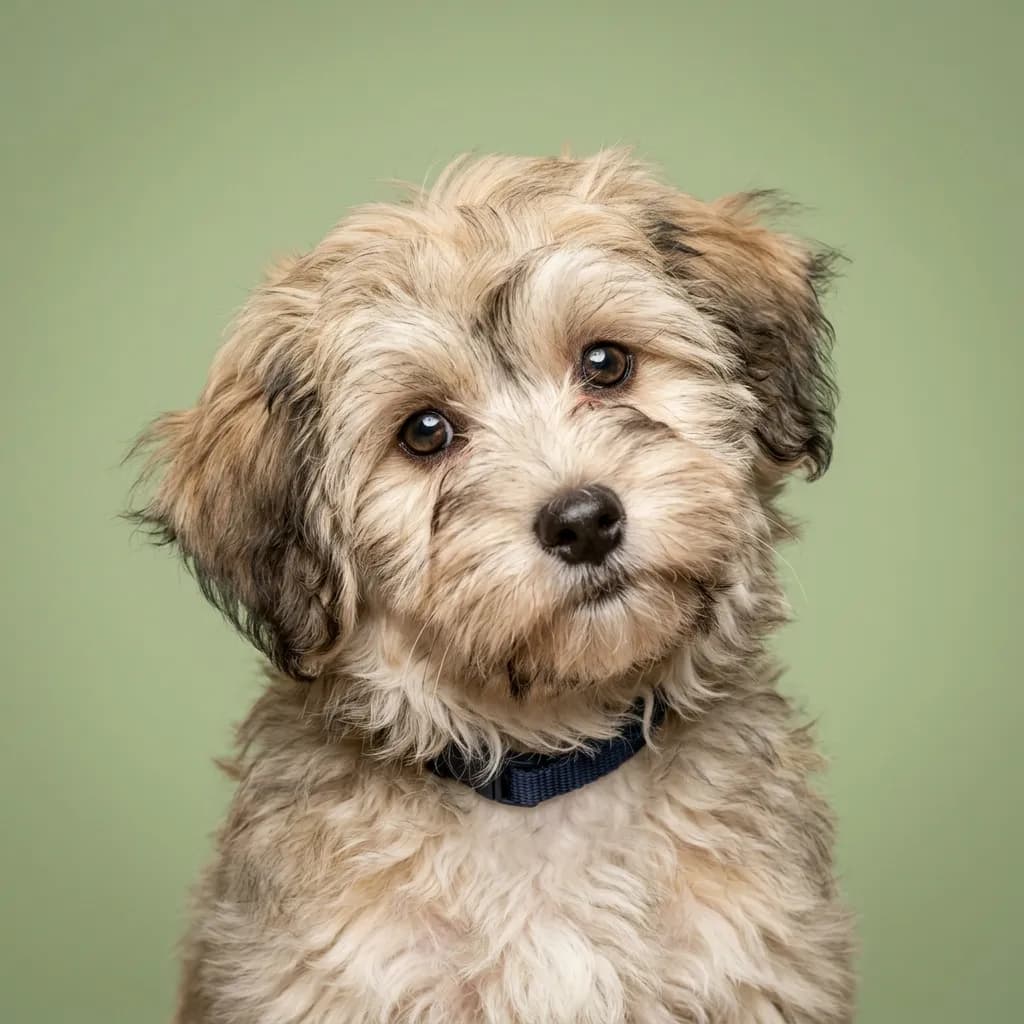
People don’t usually compare a Curly-Coated Retriever and a Havanese at first glance. but dig deeper and you’ll see why. Both are smart, affectionate, and don’t shed heavily, which can draw families or allergy-sensitive homes to either. But that’s where the similarities end. One was built for marshes and duck blinds, the other for silk pillows and Havana salons. The Curly is a powerhouse athlete. think lean, athletic, and built for endurance. At 60 to 95 pounds, this dog needs space and purpose. You’ll find them charging through icy lakes or working long hunts. They're deeply loyal and great with kids, but they’re not couch potatoes. They thrive with active owners who’ll challenge them physically and mentally. Without it, they’ll find their own entertainment. like redecorating your garden. The Havanese, meanwhile, is the ultimate companion dog. At just 7 to 13 pounds, they fit in a tote bag and adapt to city apartments or country cottages alike. They’re eager to learn, love everyone, and will follow you from room to room like a furry shadow. But here’s the catch: they hate being alone. Leave them for hours and you’ll come home to shredded pillows or nonstop barking. Choose the Curly if you’ve got land, an active lifestyle, and want a rugged partner who still melts into the family pile on the couch. Pick the Havanese if you want a portable, joyful presence and can offer constant company. The real truth? Both are low-shedding, but neither is low-maintenance. The Curly’s coat needs weekly care to avoid mats, and the Havanese demands daily brushing and frequent trims. Grooming isn’t a chore. it’s a commitment either way.
Trait-by-trait
Higher bar = more of that trait. Shedding, barking, drooling, grooming flipped for readability.Where they diverge
Choose the Curly-Coated Retriever if…
- Active families
- Hunters and waterfowlers
- Cold and wet climates
- You value watchdog / protective — Curly-Coated Retriever scores noticeably higher.
Choose the Havanese if…
- Apartment dwellers
- Seniors
- Families with children
- You value good with other dogs — Havanese scores higher here.