Curly-Coated Retriever vs Otterhound
Side-by-side comparison across all 14 AKC trait ratings, with a clear verdict on which breed fits which kind of household.
Not sure which breed fits your life?
Answer five questions about your home, your schedule, and your tolerance for shedding. We’ll match you to your top three breeds from over 200.
Curly-Coated Retriever vs Otterhound
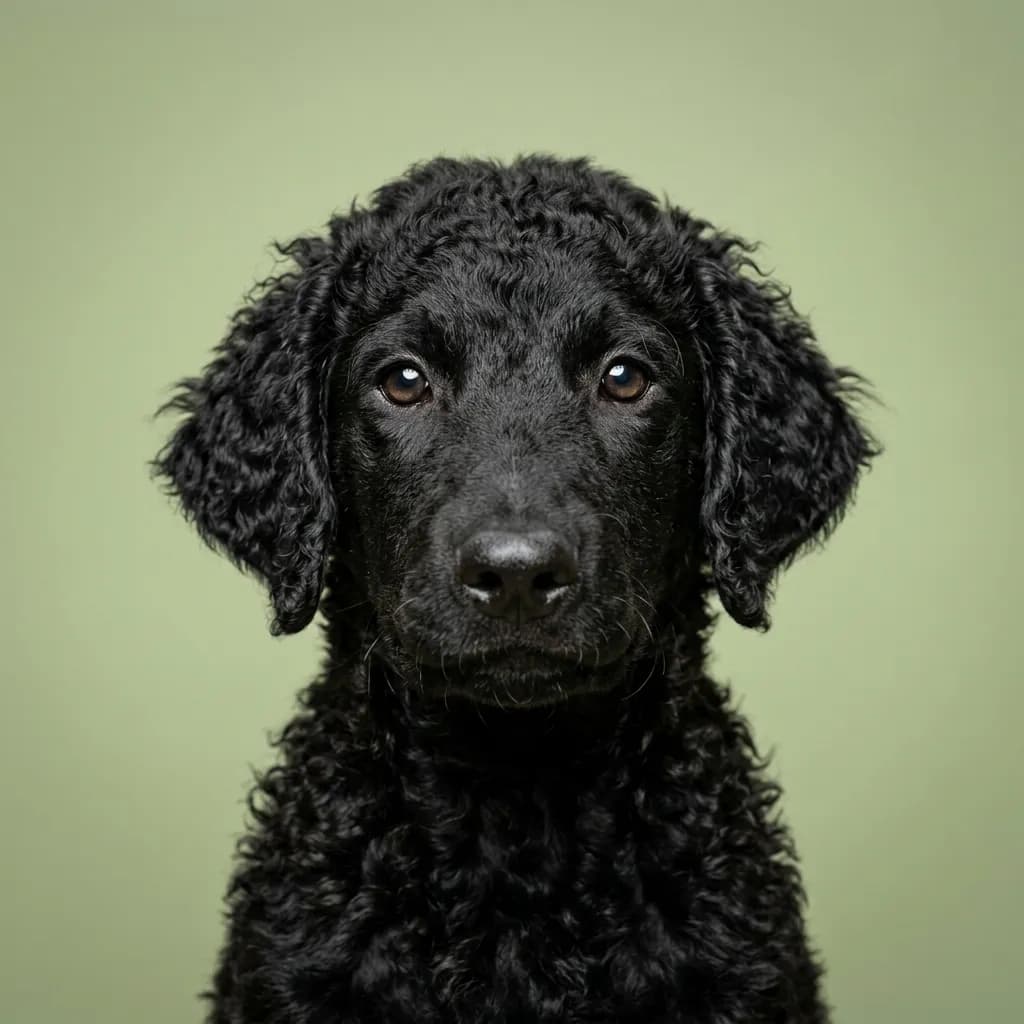
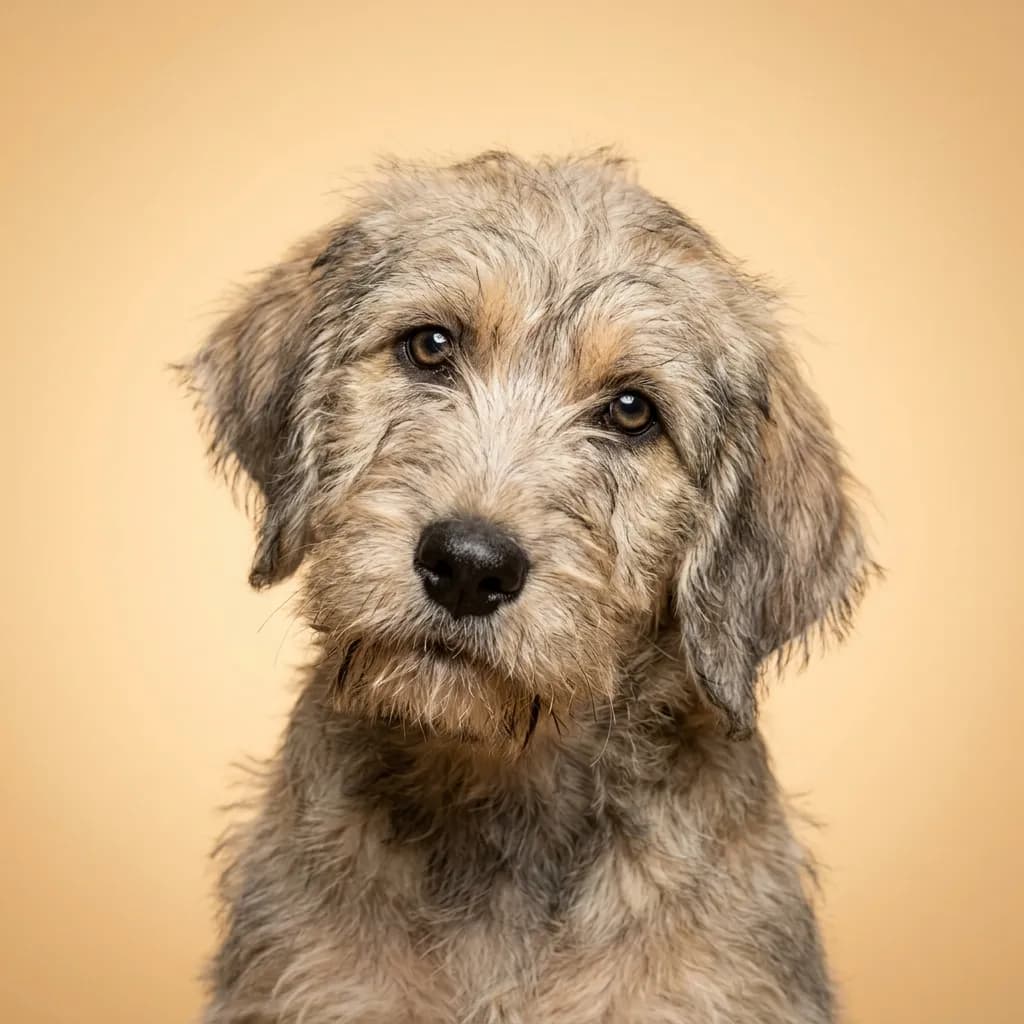
People compare Curly-Coated Retrievers and Otterhounds because they’re both big, rare, water-loving dogs with wild coats and noses for hunting. But that’s where the similarities end. If you’re torn between them, you’re really choosing between a precision athlete and a scruffy, good-natured slob with a plan of its own. The Curly-Coated Retriever is sleeker in build, built for speed and purpose. These dogs are sharp, confident, and thrive when they’ve got a job. whether it’s flushing ducks in icy water or mastering advanced obedience. They bond tightly with their people, adore kids, and while they’re not yappy, they’ll bark when it matters. Their curls shed minimally, but they demand consistent mental and physical challenges. If you’re inactive, this dog will outsmart you and then redecorate your sofa. Otterhounds? They’re lovable rogues. Bigger, louder, and built like furry trucks, they were bred to track otters for miles along muddy riverbanks. That means they’ve got stamina, a nose that never quits, and a bark that carries. They’re affectionate and funny, but they’re also independent and will follow a scent like it’s their life’s mission. even if it means ignoring your recall. They drool. They smell like wet dog, even when dry. And they need space and experienced handling. Here’s the real talk: if you want a dog that impresses in performance sports and works closely with you, go Curly. If you want a goofy, one-of-a-kind character who turns heads and doesn’t mind a good wallow in the mud, the Otterhound’s your guy. Just know. neither belongs in a city apartment, and both will steal your heart, but only if you’re ready for the mess.
Trait-by-trait
Higher bar = more of that trait. Shedding, barking, drooling, grooming flipped for readability.Where they diverge
Choose the Curly-Coated Retriever if…
- Active families
- Hunters and waterfowlers
- Cold and wet climates
- You value good with young children — Curly-Coated Retriever scores noticeably higher.
Choose the Otterhound if…
- Active families
- Rural settings
- Outdoor and swimming enthusiasts
- You value drooling level — Otterhound scores higher here.