Curly-Coated Retriever vs Papillon
Side-by-side comparison across all 14 AKC trait ratings, with a clear verdict on which breed fits which kind of household.
Not sure which breed fits your life?
Answer five questions about your home, your schedule, and your tolerance for shedding. We’ll match you to your top three breeds from over 200.
Curly-Coated Retriever vs Papillon
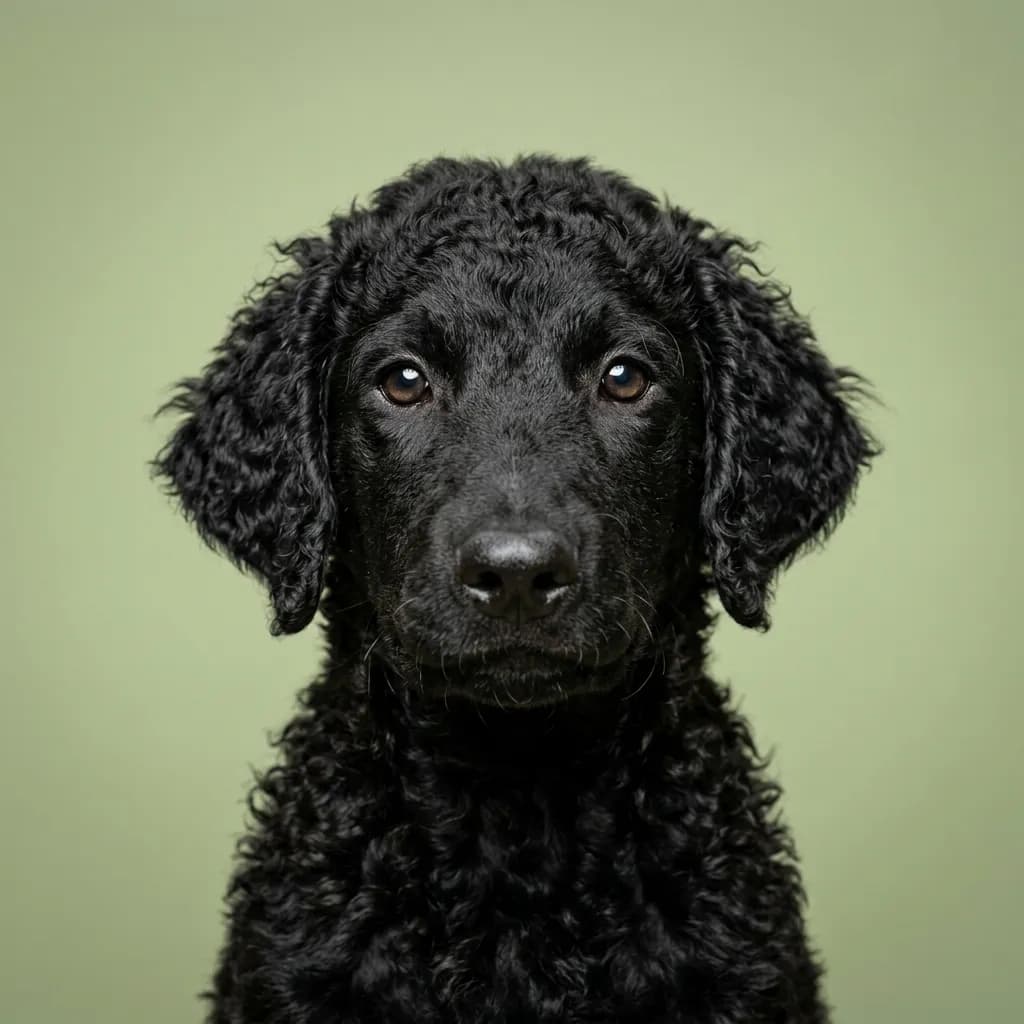
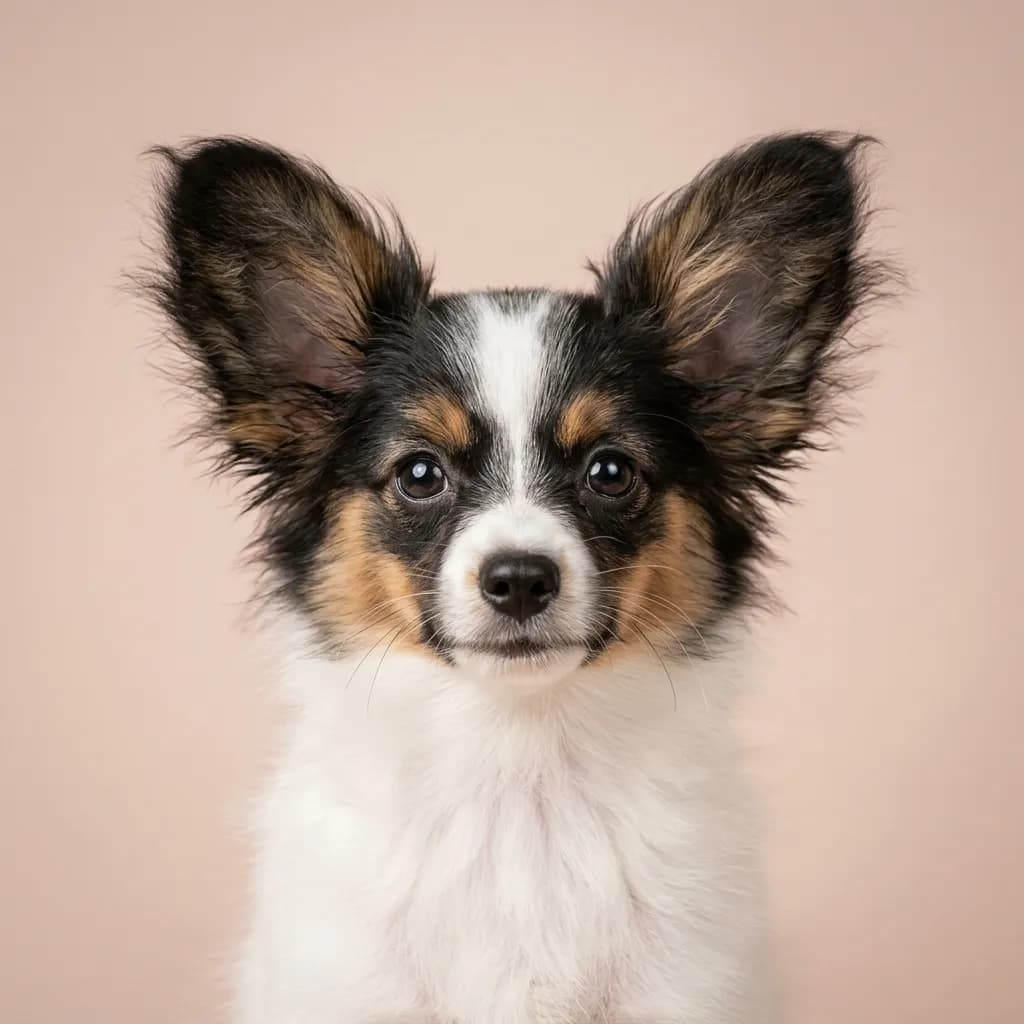
You don’t see a Curly-Coated Retriever and a Papillon compared often, but I get why you’re asking. Both are smart, energetic, and deeply attached to their people. on paper, they’re both "affectionate brainiacs." But that’s where the similarity ends. Think of it like choosing between a wilderness canoe and a vintage sports car. Same thrill, entirely different terrain. The Curly is a powerhouse built for action. At 60 to 95 pounds, this dog lives for open water, thick brush, and long, challenging days outdoors. He’s bred to retrieve ducks in freezing lakes, so he’s tough, independent, and needs serious physical work. But he’s also deeply loyal and gentle with kids. just make sure you’ve got space for him to burn that 4/5 energy. Without it, his intelligence turns into mischief. He’s not high maintenance in grooming, but he is high maintenance in lifestyle. You’ll need to watch for bloat and hip issues, and honestly, he’s not a fit unless you’re active. The Papillon, meanwhile, is a 5 to 10-pound firecracker with ears like satellite dishes. This dog thrives on mental puzzles, agility courses, and being in the middle of everything. He’s just as smart as the Curly, maybe more so in trainability, but he’s alert to everything. doorbells, leaves, whispers. That means barking is a real factor. He’s perfect for an apartment, but not if you want a quiet companion. And while he’s great with older kids, toddlers can be a risk. Here’s the real talk: the Curly loves you deeply but on his terms. The Papillon lives only for your attention. Pick based on who you are. adventurer or enthusiast. because both demand commitment, just in very different languages.
Trait-by-trait
Higher bar = more of that trait. Shedding, barking, drooling, grooming flipped for readability.Where they diverge
Choose the Curly-Coated Retriever if…
- Active families
- Hunters and waterfowlers
- Cold and wet climates
Choose the Papillon if…
- Apartment living
- Active owners
- Families with older children
- You value good with strangers — Papillon scores higher here.