Danish-Swedish Farmdog vs Newfoundland
Side-by-side comparison across all 14 AKC trait ratings, with a clear verdict on which breed fits which kind of household.

Not sure which breed fits your life?
Answer five questions about your home, your schedule, and your tolerance for shedding. We’ll match you to your top three breeds from over 200.
Danish-Swedish Farmdog vs Newfoundland
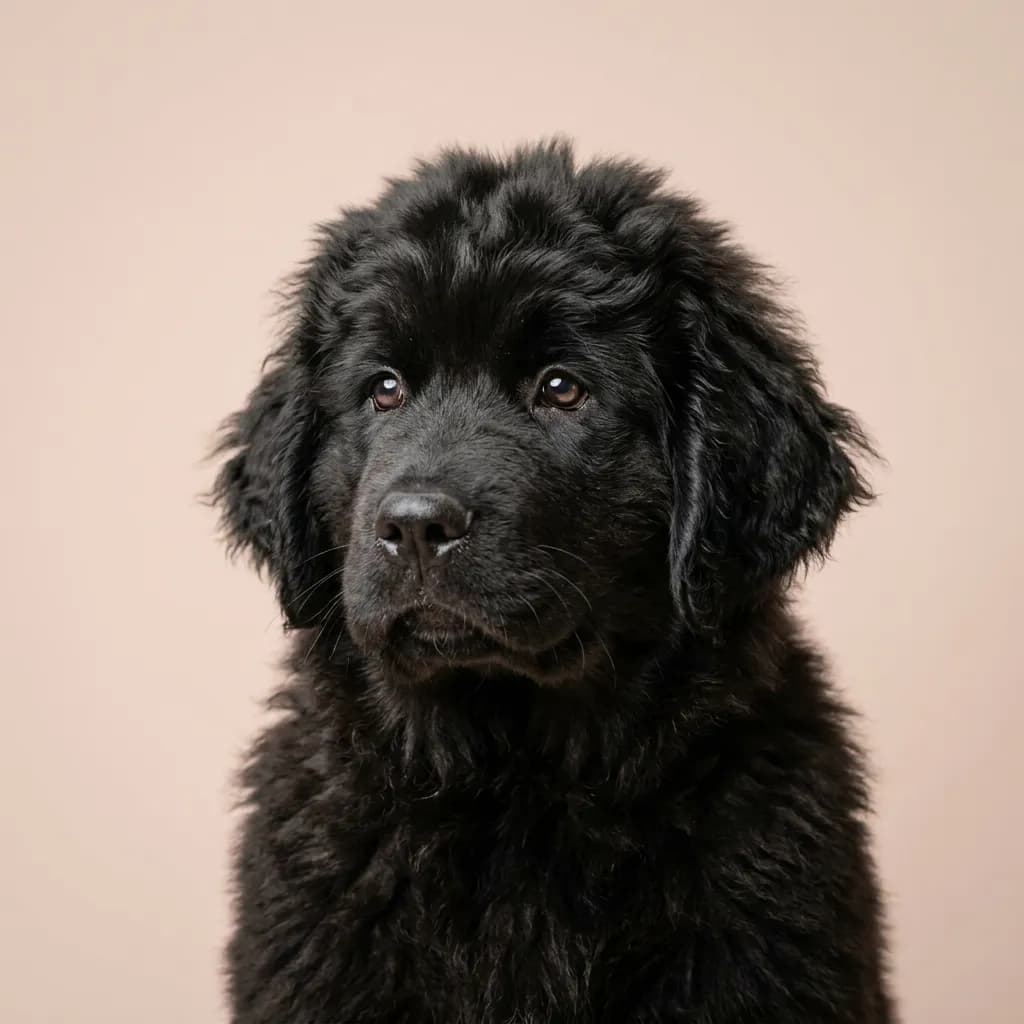
You’re probably not cross-shopping a 15-pound farm ratter and a 150-pound water rescue dog unless you’re deep in the weeds of family-friendly breeds. But here’s why these two come up together: both are exceptionally good with kids, deeply loyal, and thrive in family life. That’s where the similarities end. The Danish-Swedish Farmdog is the compact, quick-thinking little guardian who’ll keep an eye on the kids at the playground and still fit in your carry-on for weekend trips. He’s alert, lively, and built for a cottage in the woods or a small yard in the suburbs. You’ll need to give him jobs. puzzle toys, obedience, agility. because a bored Farmdog will rearrange your sock drawer just to feel useful. The Newfoundland? He’s the gentle giant who swims out to save strangers and then comes home to park himself squarely in the middle of your living room. He’s calm, patient, and built like a draft horse with a heart of gold. But he drools on the coffee table, sheds in clumps, and needs a yard and regular swimming access to be truly happy. He won’t fit your lifestyle unless you’re ready for the sheer physical logistics of a dog this big. car space, lifting him for vet care, managing bloat risks. Here’s the real talk: if you want a dog that feels like part of the furniture in a cozy home, go Newfoundland. If you want a dog that feels like a sharp little partner in daily adventures, pick the Farmdog. But know this. both will love your kids fiercely. The difference is whether you want a living teddy bear or a pint-sized farmhand who never clocks out.
Trait-by-trait
Higher bar = more of that trait. Shedding, barking, drooling, grooming flipped for readability.Where they diverge
Choose the Danish-Swedish Farmdog if…
- Active families
- Families with children
- Apartment living (with exercise)
- You value barking level — Danish-Swedish Farmdog scores noticeably higher.
Choose the Newfoundland if…
- Families with children
- Water and outdoor enthusiasts
- Those wanting a gentle giant
- You value drooling level — Newfoundland scores higher here.