Drever vs Kishu Ken
Side-by-side comparison across all 14 AKC trait ratings, with a clear verdict on which breed fits which kind of household.
Not sure which breed fits your life?
Answer five questions about your home, your schedule, and your tolerance for shedding. We’ll match you to your top three breeds from over 200.
Drever vs Kishu Ken
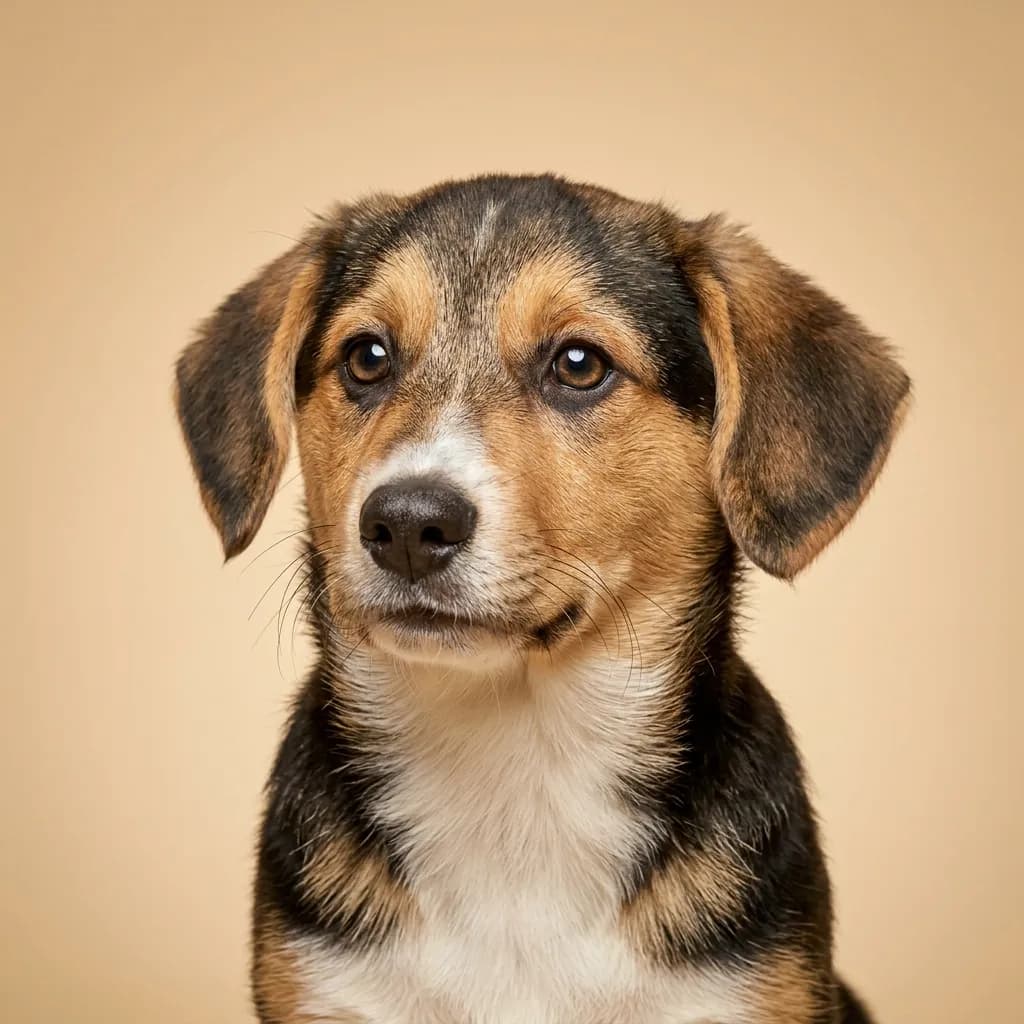
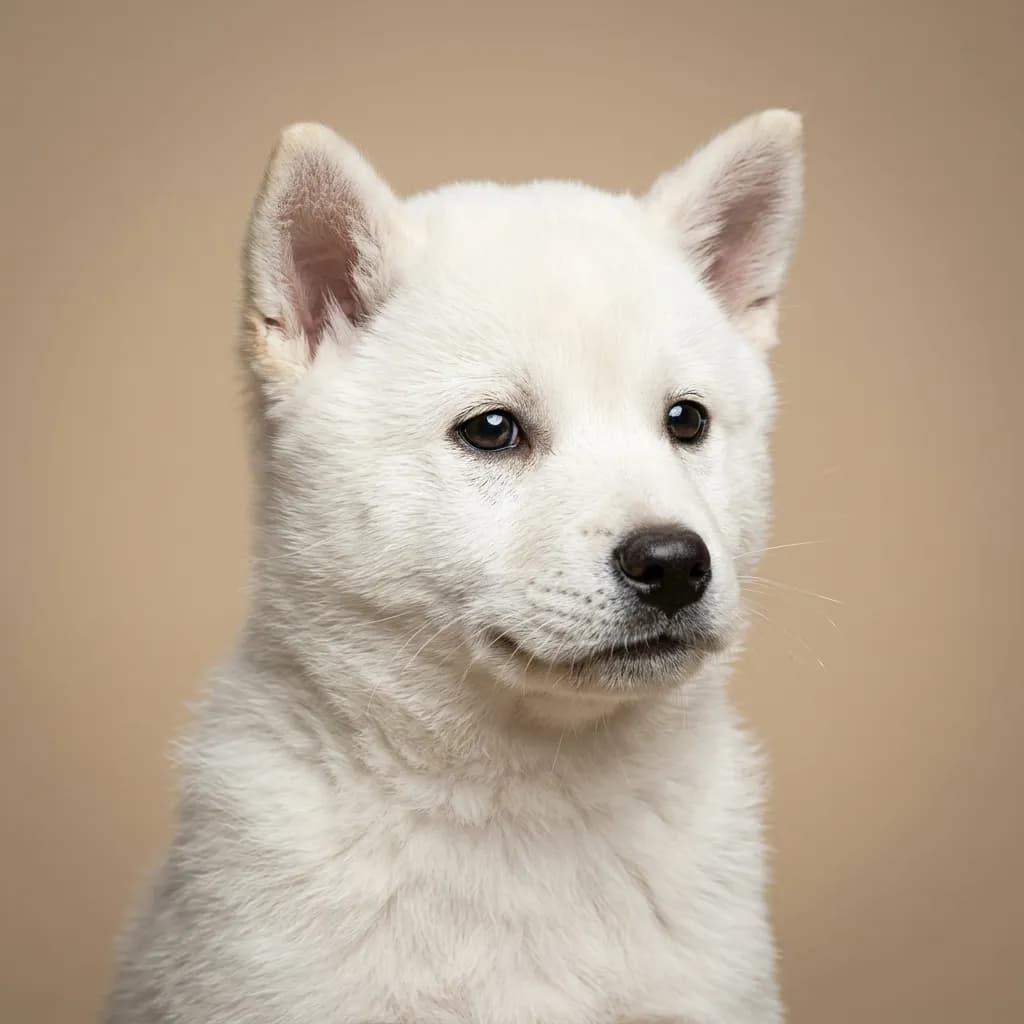
People compare the Drever and Kishu Ken because they’re both rare, northern-bred hunting dogs with clean-lined looks and an air of quiet intensity. At first glance, they seem like two sides of the same coin. compact, efficient, built for cold woods and serious work. But if you’re choosing between them, you’re really choosing between a team player and a lone wolf. The Drever is your all-weather hiking buddy who doubles as a family dog. At 12 to 15 inches tall, this Swedish scenthound packs big energy and even bigger heart. It’s loyal, eager to please, and thrives on tasks. whether it’s a backyard search game or tracking in the woods. You’ll want a secure fence, yes, and be ready for some vocalization. this dog was bred to bark when it found game, and it won’t forget that instinct. But with kids? They’re solid. Training? A joy. If you’re active, live near trails, and want a dog that’s both useful and affectionate, the Drever fits. The Kishu Ken, by contrast, is more reserved, more intense. Standing 17 to 22 inches, it’s larger, more aloof, and deeply independent. Bred to silently stalk boar in mountain forests, it’s not prone to barking, but it is prone to chasing. cats, squirrels, anything that moves. It’s not the kind of dog that melts into your lap. It respects you, bonds tightly with one person, but on its terms. This isn’t a family pet in the traditional sense. It’s a project for someone who understands canine psychology and values quiet confidence over cuddles. Here’s the real difference beyond the numbers: the Drever wants to join your life. The Kishu Ken wants to be your equal in the wild. Pick based on who you are. team player or solitary guardian. One will follow your lead. The other will decide whether to follow at all.
Trait-by-trait
Higher bar = more of that trait. Shedding, barking, drooling, grooming flipped for readability.Where they diverge
Choose the Drever if…
- hunters
- active families in cold climates
- outdoor adventurers
- You value barking level — Drever scores noticeably higher.
Choose the Kishu Ken if…
- Experienced dog owners
- Active owners
- Cold climates
- You value good with strangers — Kishu Ken scores higher here.